Chinese-Thai Food in Bangkok: Khao Man Gai, Roast Duck, Khao Kha Moo and How to Fit Them Into a Balanced Day
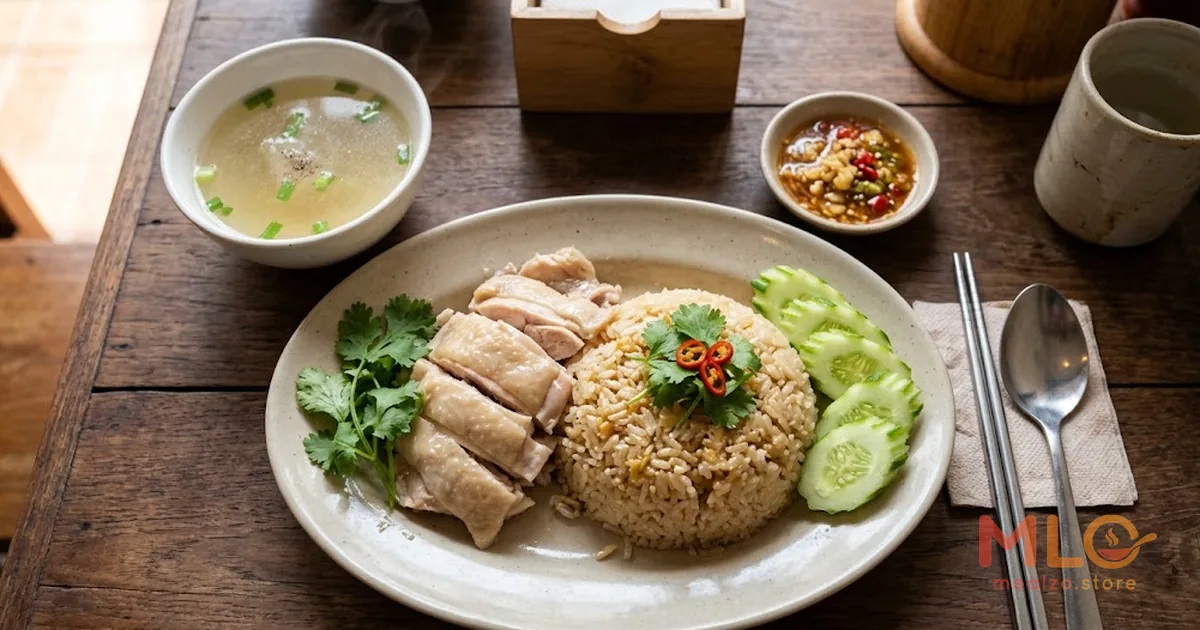
Chinese-Thai food is part of everyday eating in Bangkok. From Hainanese-style chicken rice to roast duck, braised pork leg and bowls of wonton noodles, these dishes appear in food courts, street stalls and small shophouse kitchens across the city. They are familiar, satisfying and often served quickly enough for an ordinary working lunch.
What makes these meals interesting is how the different components come together. The chicken may be poached, but the rice is cooked in chicken fat. The roast pork may be relatively lean, but the sweet gravy changes the plate. A bowl of noodles may contain pork and vegetables, yet much of its flavour comes from seasoned broth, oil and condiments.
Understanding these details makes it easier to enjoy Chinese Thai food Bangkok residents eat regularly without treating traditional dishes as something to avoid. The aim is not to remove everything rich or flavourful, but to recognise what each meal contributes and what might be missing.
This guide looks at the dishes themselves, how they are prepared, where extra fat, salt and sugar can enter the meal, and how to organise the rest of the day around them.
1. Why Thai-Chinese Food Is Part of Everyday Bangkok Eating
Thai-Chinese cooking reflects generations of Chinese culinary influence adapted to Thai ingredients, tastes and eating habits. Rice dishes, noodle soups, roasted meats, steamed dumplings and slowly braised pork have become so familiar that many people simply regard them as everyday Bangkok food.
A typical shophouse kitchen may specialise in roast duck hanging behind glass, chicken rice prepared in large pots or pork leg simmering in dark aromatic stock. Food courts bring these dishes together, making them convenient choices for office workers, families and people eating outside the home.
Several characteristics appear repeatedly:
- Rice or wheat noodles form the main starch component.
- Chicken, pork, duck, egg or tofu supplies protein.
- Sauces, gravies and seasoned broths provide much of the flavour.
- Vegetables are frequently limited to cucumber, herbs or pickled greens.
- Fried garnishes, meat skin and fatty cuts contribute additional richness.
The dishes are not nutritionally identical. A bowl of rice porridge has a different composition from roast pork over rice, while steamed wontons are prepared differently from deep-fried dumplings.
Rather than judging the entire category, it is more useful to look at the cooking method, the starch, the protein and the condiments.
Key takeaway: In many Bangkok Thai-Chinese meals, rice, gravy and condiments influence the overall composition just as much as the meat.
2. Khao Man Gai, Roast Pork, Duck and Braised Pork Leg
The familiar rice plates served in Bangkok offer a useful introduction to how preparation changes what ends up on the plate.
Khao man gai is Hainanese-style chicken rice. Chicken is gently cooked in broth, while the rice is prepared using chicken stock and chicken fat. It is usually accompanied by cucumber, a clear soup and a dipping sauce made with fermented soybean, ginger, garlic and chilli.
The chicken itself is relatively simply prepared. The rice is where much of the richness comes from. Choosing skinless chicken changes the fat contribution, but it does not turn chicken-fat rice into plain steamed rice.
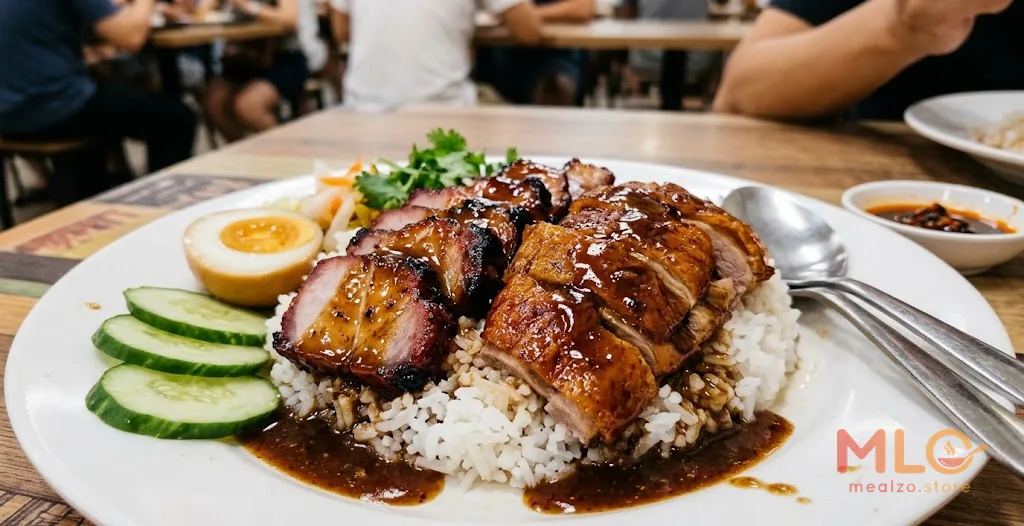
Khao mu daeng combines sliced red barbecue pork with rice, usually finished with a sweet, seasoned sauce. Depending on the vendor, it may include Chinese sausage, egg and cucumber. The pork is roasted, but the glaze, gravy and sausage can noticeably change the dish's sweetness and richness.
Khao na ped features roast duck sliced over rice, typically served with dark gravy. Duck skin contributes fat, while the sauce adds sweetness and salt. Some kitchens serve the gravy generously, covering much of the rice.
Khao kha moo is braised pork leg cooked slowly in a fragrant sweet-salty stock. The meat becomes tender, and the dish is commonly served with rice, egg, pickled mustard greens and chilli vinegar. The skin and fatty sections of the pork leg are an integral part of the traditional preparation, but diners can choose how much to eat.
| Dish | Mostly made of | Where extra fat, salt or sugar enters | Practical adjustment |
|---|---|---|---|
| Khao man gai | Poached chicken, chicken-fat rice, cucumber | Rice fat and fermented soybean dipping sauce | Request sauce separately and choose less skin |
| Khao mu daeng | Roast pork, rice, egg, sometimes sausage | Sweet glaze, gravy and fatty sausage | Ask for lighter gravy and extra cucumber |
| Khao na ped | Roast duck, rice, dark gravy | Duck skin and seasoned gravy | Request gravy on the side |
| Khao kha moo | Braised pork leg, rice, egg, pickled greens | Pork fat, skin and sweet-salty braising stock | Choose a leaner section and keep the greens |
| Bakkutteh | Pork ribs and herbal broth | Pork fat and heavily seasoned broth | Eat the meat and choose how much broth to drink |
| Bamee wonton | Wheat noodles, wontons, pork and vegetables | Seasoned broth, oil and fried toppings | Ask for vegetables and lighter seasoning |
| Dim sum | Filled steamed or fried dumplings | Fatty fillings, frying oil and dipping sauces | Mix steamed choices with fried ones |
| Jok or khao tom | Soft rice porridge, sometimes meat and egg | Seasonings and fried garnishes | Add an available protein topping |
| Yong tau foo | Stuffed tofu, vegetables and sometimes noodles | Sauces, fried pieces and seasoned soup | Include more vegetables and non-fried pieces |
| Tao hu tod | Fried tofu with dipping sauce | Absorbed frying oil and sweet dipping sauce | Share it alongside a vegetable-rich meal |
These adjustments are options rather than rules. A rich roast duck plate can be enjoyed as served, while a lighter meal may be more appealing at another time.
3. Rice, Gravy and the Ingredients That Are Easy to Overlook
Rice provides carbohydrates, but not every bowl of rice is prepared in the same way.
The rice in khao man gai absorbs stock and chicken fat during cooking. Its richness is not simply something poured on afterwards. By comparison, plain steamed rice served with khao kha moo generally starts with less added fat, although the braising liquid poured over it brings its own seasoning and richness.
Sweet gravies introduce another difference. The sauce on khao mu daeng often contains sugar and may be thickened with starch. Duck gravy can also combine sweetness, salt and thickening ingredients.
A plate that appears to contain only meat and rice may therefore include fat added during rice preparation, sugar in a glaze and additional starch in the gravy.
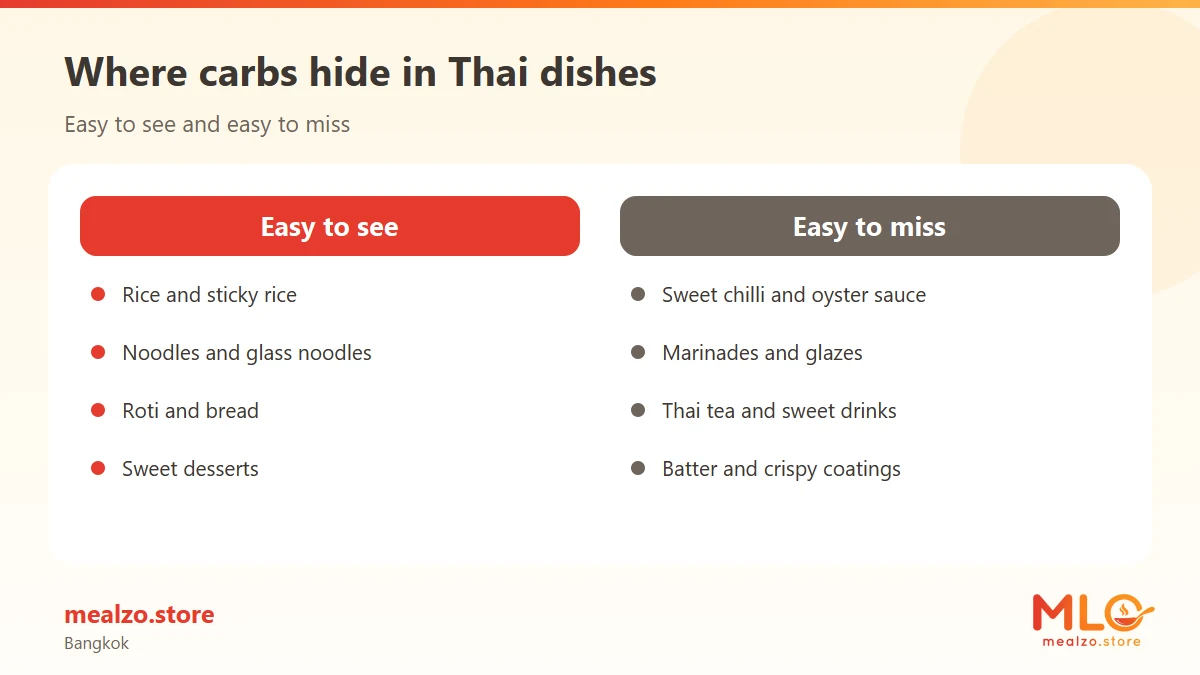
This does not mean that carbohydrates in rice or sauce need to be avoided. It means that rice, noodles and sweetened sauces all contribute to the carbohydrate portion of the meal, even when they appear in different forms.
For a closer look at how different rice preparations fit into Bangkok eating habits, see rice portions in Bangkok, including jasmine, sticky and brown rice.
Practical choices depend on what the kitchen can provide:
- Choose plain rice instead of seasoned rice when the alternative is available.
- Ask for gravy separately so its amount is easier to control.
- Leave some rice if the serving is larger than your appetite.
- Keep the protein and vegetables rather than reducing the meal to rice alone.
Not every vendor can change a rice preparation already cooked in a large batch. In that situation, choosing how much to eat is more realistic than expecting the kitchen to remake the dish.
4. Steamed, Roasted, Braised and Fried: Why the Method Matters
The cooking method provides clues about where fat and flavour come from, although ingredients and finishing sauces remain important.
Steaming and poaching generally do not require the food to sit in frying oil. Roasting allows fat to render from meat, but skin, fatty cuts and glazes can still contribute considerable richness. Braising transfers flavours between meat and liquid over a long cooking period. Frying adds oil to the outside of the food, with absorption varying according to the ingredients and preparation.
| Cooking method | Familiar Bangkok examples | What to notice | Useful counter choice |
|---|---|---|---|
| Steamed or poached | Khao man gai chicken, steamed wontons, dim sum | Relatively little frying oil, but sauces and fatty fillings still matter | Keep dipping sauces separate |
| Roasted and glazed | Khao mu daeng, roast duck | Skin, fat, sweet glaze and gravy | Choose the amount of skin and gravy |
| Braised | Khao kha moo, pork in seasoned stock | Rich meat sections and sweet-salty cooking liquid | Select leaner meat if preferred |
| Simmered | Jok, khao tom, bakkutteh | Broth seasoning and the amount of added protein | Add protein where available and taste before seasoning |
| Fried | Tao hu tod, fried wontons, fried dim sum | Oil absorption, crispy coatings and dips | Pair with non-fried dishes or vegetables |
A steamed dumpling with a fatty pork filling is not necessarily less rich than a roasted meat slice. Similarly, roast duck without much skin can differ considerably from a serving that includes the skin and a generous amount of gravy.
The method is a useful starting point, not a complete description of the meal.
5. Sauces, Dips and the Salt-Sugar Balance
Thai-Chinese dishes often depend on sauces for their familiar taste. Removing every condiment would change the experience substantially, and that is not the aim.
The ginger and fermented soybean sauce served with khao man gai supplies savoury depth, acidity and heat. Dark gravy on roast duck or red pork brings sweetness and seasoning. Chilli vinegar cuts through the richness of braised pork, while soy-based condiments are common around noodle counters.
Salt and sugar can become concentrated in these additions. A spoonful of sauce and a plate covered with sauce are different experiences, even when the recipe is identical.
The practical approach is to taste before adding more.
When ordering, simple requests such as nam jim yaek, meaning dipping sauce separately, or nam rad yaek, meaning poured sauce separately, can help where the vendor understands and accommodates them.
Not all sauces can be separated. Roast pork may already have a glaze, while pork leg has spent hours in seasoned braising liquid. Requesting gravy separately changes what is added at serving, not what was absorbed during cooking.
For more detail about seasoning in local dishes, read how salt and sodium appear in Thai food in Bangkok.
Some sauces and fillings may contain soy, wheat, egg, shrimp or peanut, so anyone with an allergy should check the ingredients rather than relying on the dish's appearance.
Key takeaway: Sauce on the side gives you control over the finishing seasoning, but it does not remove ingredients already used during cooking.
6. Wonton Noodles, Dim Sum and Fried Tofu
Not every Thai-Chinese meal arrives as meat over rice. Bangkok's noodle counters and dumpling kitchens offer another familiar set of choices.
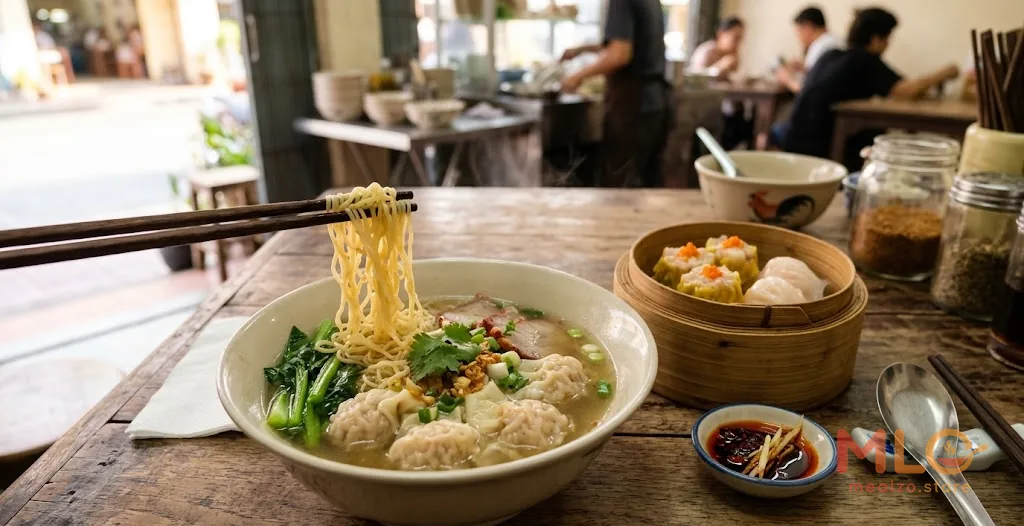
Bamee refers to wheat-based egg noodles, often served with wontons, roast pork and vegetables. It can be ordered in broth or as a dry noodle dish with sauce and seasonings mixed through the noodles.
Dry bamee is not necessarily free of oil or salty ingredients. Vendors may add seasoned oil, soy-based sauce or other condiments before serving. Soup versions include broth that can be heavily seasoned.
Wontons contain fillings commonly based on pork or shrimp, sometimes with additional ingredients. Their wrappers contribute carbohydrates, while the filling provides protein and varying amounts of fat.
Dim sum is particularly easy to underestimate because the food is served as small individual pieces. Steamed dumplings, buns and filled parcels differ from fried wontons and crispy rolls. The total meal depends on the combination chosen, not simply the size of each basket.
Mixing steamed dumplings with a fried selection provides variety without assuming that all the pieces have the same composition.
Tao hu tod, or fried tofu, is another common snack or accompaniment. Tofu supplies plant protein, but frying changes its fat content. The accompanying sweet or spicy dipping sauce can introduce additional sugar and salt.
Fried tofu may work as part of a meal containing vegetables and rice, or as a small snack between meals. It is less useful to think of tofu as automatically equivalent to steamed tofu when the cooking method is different.
The broader discussion of frying methods is covered in fried food and cooking oil in Bangkok.
If these dishes are eaten between meals rather than as lunch or dinner, the distinction between snack and meal can become blurred. The same applies to satay, grilled sausage and fish cakes, discussed in Bangkok street snacks and how they fit into the rest of the day.
7. Jok, Khao Tom, Bakkutteh and Yong Tau Foo
Some Thai-Chinese staples arrive as porridge or soup rather than a dry plate.
Jok is a thick, smooth rice porridge made by cooking rice until the grains break down. It may contain minced pork, egg, ginger, spring onion and fried toppings. Its soft texture and warm serving style make it a familiar breakfast or late meal.
Khao tom is a looser rice soup in which the grains remain more distinct. It can be prepared with pork, fish or other ingredients, often with garlic, herbs and seasoning.
Both dishes provide a rice base, but their protein content depends heavily on the additions. Plain rice porridge is mainly starch and fluid. Adding egg, pork, fish or tofu changes its composition and makes the meal more substantial.
Bakkutteh, also written bak kut teh, is a pork rib soup associated with Chinese culinary traditions. Versions differ, but a peppery herbal broth and tender pork ribs are characteristic. It is often eaten alongside rice or other accompaniments.
The broth contributes fluid and flavour, but also dissolved salt. Drinking some broth while eating the ribs is different from finishing a deeply seasoned bowl.
Yong tau foo commonly includes tofu and vegetables stuffed with fish or meat paste, served in soup or with sauce. Some versions feature fried pieces, noodles and a wide selection of ingredients.
The choice of pieces matters. Tofu, stuffed vegetables, noodles and fried components contribute different combinations of protein, carbohydrate and fat.
Clear soup is not automatically lightly seasoned simply because it looks transparent. Broth preparation and finishing condiments determine much of its salt content.
For a broader comparison of soup styles, see Thai soups in Bangkok, including clear soup, tom yum and tom kha.
Key takeaway: Rice porridge and soup can be satisfying meals, but their protein content and seasoning depend on the additions and broth.
8. Protein, Vegetables and Building a More Complete Plate
Thai-Chinese rice dishes commonly provide an obvious protein source. Chicken, pork, duck, egg and tofu are widely used, and noodle dishes may also include meat or seafood.
Vegetables are often less prominent. Cucumber slices beside chicken rice, pickled mustard greens with pork leg or a small serving of leafy greens in noodles may be the main vegetable component.
These garnishes add flavour and texture, but they do not necessarily create the vegetable variety someone wants across the day.
A practical approach is to build around what is already present instead of replacing the dish entirely.
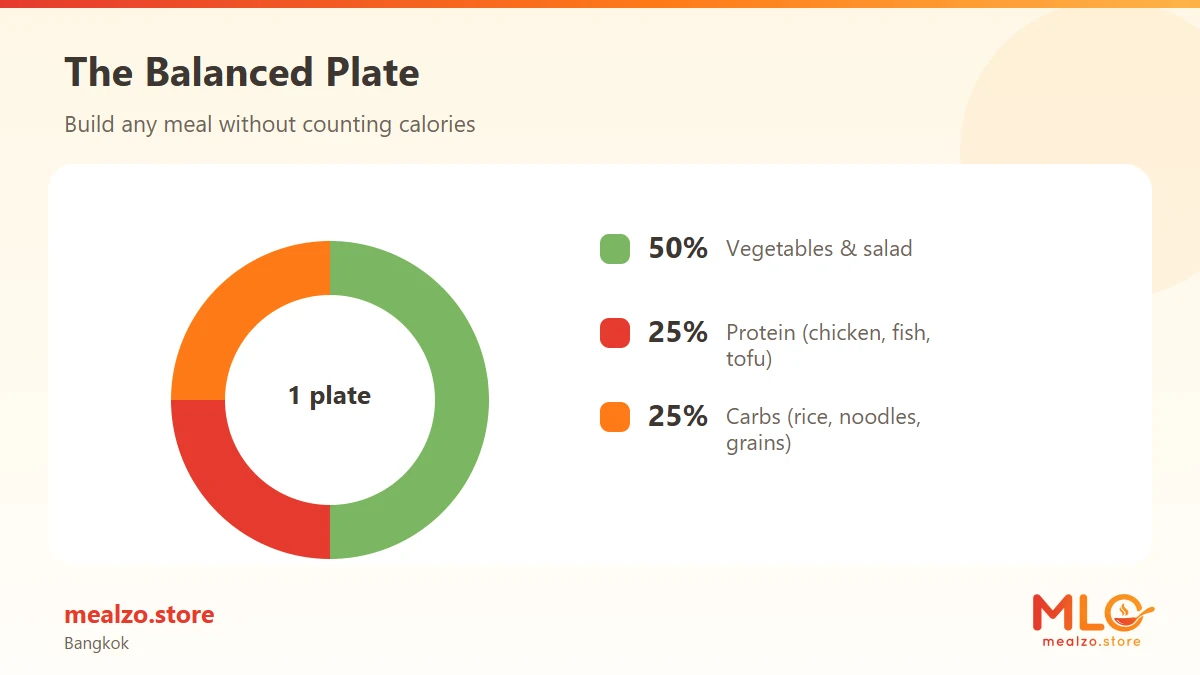
For example, chicken rice can remain the centre of lunch while an available serving of cooked greens or fresh vegetables accompanies it. Roast duck rice can be followed by a vegetable-rich dinner. A bowl of bamee with pork can include additional leafy greens if the kitchen offers them.
The aim is to recognise the different components:
- Protein: chicken, pork, duck, fish, egg or tofu.
- Carbohydrates: rice, rice porridge, wheat noodles, dumpling wrappers and sweetened sauces.
- Fats: chicken-fat rice, duck skin, pork fat, cooking oil and fried garnishes.
- Vegetables: cucumber, greens, herbs, pickled vegetables and additional vegetable dishes.
A balanced plate does not have to follow a rigid visual formula. Bowls of noodles and porridge naturally combine ingredients differently from a plate of rice and meat.
Nor must every individual meal contain exactly the same proportions. What matters practically is how the meals fit together throughout the day.
For anyone whose food choices are affected by high blood pressure, diabetes, an eating disorder or another medical condition, their own doctor's guidance should take priority.
9. Simple Adjustments When Ordering at a Bangkok Food Court
Food courts and shophouse kitchens offer convenience, but their menus may not allow much customisation. Rice is often cooked ahead, sauces are prepared in batches and roasted meats are already glazed.
That makes small, realistic adjustments more useful than complicated requests.
When the vendor can accommodate them, the following are straightforward options:
- Ask for dipping sauce or gravy separately.
- Choose less skin or a leaner section of meat.
- Request additional vegetables where available.
- Taste noodle soup before adding soy sauce or other seasoning.
- Choose steamed dim sum alongside fried selections.
- Keep fried shallots or crispy toppings optional.
- Consider a plain rice alternative when one is offered.
These choices do not have to happen together. Someone who particularly enjoys duck skin may prefer to keep it and adjust the gravy instead. Someone who wants the full flavour of sweet roast pork sauce may leave the plate unchanged and include more vegetables at another meal.
The same flexibility applies to rice. A generous serving may suit a larger appetite, while someone less hungry may prefer not to finish it.
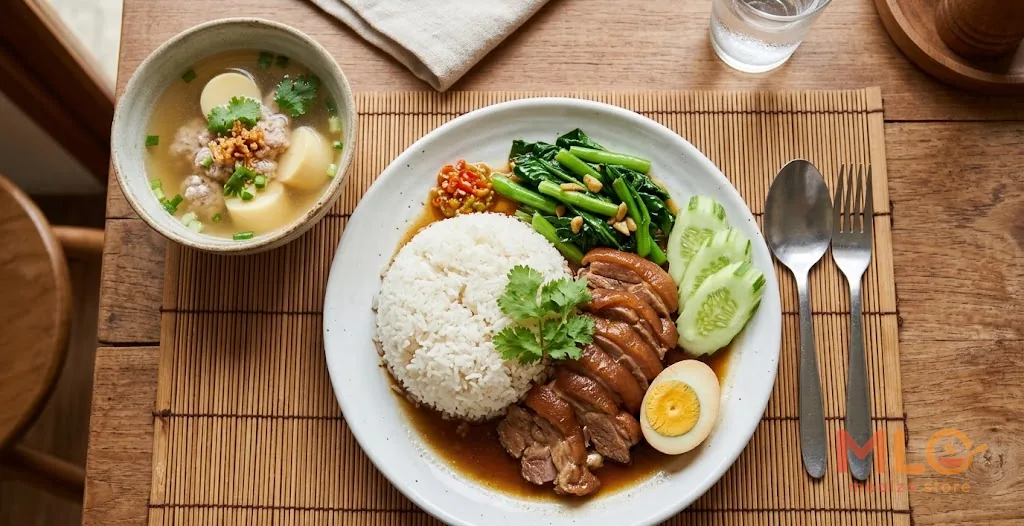
Bangkok food culture is built around convenience, familiarity and flavour. Making practical adjustments should preserve those qualities rather than turn lunch into a complicated negotiation.
10. How Mealzo Bangkok Fits Around Traditional Rice and Noodle Dishes
Eating Thai-Chinese food regularly does not require every meal to be spontaneous or every meal to be planned.
Someone might enjoy khao man gai from a food court at lunch, then prefer an organised dinner rather than choosing another takeaway meal. On another day, breakfast might be jok, with prepared meals covering the rest of the schedule.
Mealzo Bangkok offers meal plans intended to make that routine easier to organise.
The kitchen is located in Bang Na, Bangkok. Meals are cooked fresh daily and delivered across Bangkok. The available delivery windows are 06:00-09:00 in the morning and 17:00-20:00 in the evening, with the customer selecting one window.
Mealzo Bangkok has 12 meal plans: Balanced, Weight Loss, High Protein, Vegetarian, Vegan, Keto, Low-Carb, Gluten Free, Easy-to-Digest, Pescatarian, No Fish & Seafood, and Dairy & Egg Free.
Every plan contains a mixed cuisine combining Thai and international dishes. Customers do not select separate cuisine programmes.
The service offers 6 daily calorie levels from 1200 to 2500 kcal, with 3 or 5 meals per day and package lengths of 3, 7, 14 or 30 days.
For people who use the app, its calorie calculator applies the Mifflin-St Jeor formula to provide an estimate. It is not medical advice or an individual clinical assessment.
Customers can also declare allergens from 9 allergen groups. Dishes containing a declared allergen are not assigned to that customer. This describes how dishes are allocated, rather than guaranteeing an allergen-free meal.
The website and mobile app operate in 8 languages: Thai, English, Polish, German, French, Russian, Simplified Chinese and Burmese. The Android app is available through Google Play.
More information about the available options can be found in Mealzo Bangkok meal plans. Questions can also be sent to contact@mealzo.store.
The practical benefit is predictability. When meals are prepared and balanced in advance, the surrounding eating routine becomes easier to organise, even on days when lunch comes from a favourite Thai-Chinese food stall.
Meal plans are not a requirement for balanced eating, and prepared meals do not eliminate the need to consider individual preferences or appetite. They are simply an option for people who prefer fewer daily food decisions.
11. Putting Thai-Chinese Food Into the Context of a Whole Day
The most useful way to think about Chinese-Thai food is to look beyond the individual dish.
A lunch of khao kha moo may contain substantial pork, rice, sweet braising liquid and only a small amount of pickled vegetables. That does not make the lunch something to regret. It tells you that a later meal with more vegetables and a different protein preparation may provide variety.
A breakfast of plain jok supplies a soft rice-based meal. Adding egg or pork increases its protein contribution, while lunch can provide vegetables and other ingredients that were absent at breakfast.
Roast duck rice has a different composition from poached chicken with plain rice. Neither needs to be treated as a forbidden choice. The distinction is useful because it explains why the meals may feel different and how their ingredients fit into the rest of the day.
There are also situations where these suggestions are impractical. A crowded food court may not offer extra vegetables, a stall may have only seasoned rice, and a braised dish cannot have its cooking liquid removed after preparation.
In those cases, there is no need to force a perfect adjustment. Variety can happen later.
Bangkok offers an enormous range of familiar meals, from steamed dumplings and pork rib soup to glossy roast meats and soft rice porridge. Understanding their ingredients makes it possible to enjoy those traditions while keeping an organised and flexible approach to everyday eating.
FAQ
Is khao man gai mainly chicken and plain rice?
No. Traditional khao man gai uses chicken cooked gently in broth, while its rice is prepared with chicken stock and chicken fat. It is commonly served with cucumber, clear soup and a ginger-based fermented soybean dipping sauce. The rice and sauce contribute flavour and richness beyond the chicken itself.
Is roast duck over rice different from red roast pork rice?
Yes. Khao na ped generally uses roast duck with skin and dark gravy. Khao mu daeng uses red barbecue pork, often served with sweet sauce, egg, cucumber and sometimes Chinese sausage. Both contain protein and rice, but the meat, fat distribution, glaze and sauce vary.
Can I make a Thai-Chinese food court meal more balanced without changing the dish?
Often, yes. Adding available vegetables, keeping gravy separately, choosing how much skin or crispy topping to eat and adjusting the rice to appetite can change the meal without replacing its main ingredients. Not every kitchen offers those options, so adjustments elsewhere in the day are also reasonable.
Are jok and khao tom substantial enough for breakfast?
They can form the basis of breakfast, but their composition depends on the ingredients. Plain rice porridge mainly supplies starch and fluid. Versions containing egg, pork, fish or tofu provide additional protein, while fried toppings and seasonings change the fat and salt contribution.
How can I enjoy Thai-Chinese food while using a Mealzo Bangkok meal plan?
A Thai-Chinese meal from a food court or shophouse kitchen can be part of a flexible eating routine. Mealzo Bangkok provides prepared meals through its available plans, helping organise other meals during the day. The plans combine Thai and international dishes, and customers can select from the available meal frequencies, calorie levels and package lengths according to their preferences.
Mealzo Bangkok is a kitchen and meal delivery service operating exclusively in Bangkok, Thailand. We are not affiliated with similarly named services outside Thailand.
Find a Meal Plan That Fits
Compare Mealzo plans or use the calculator to explore meal options for your needs.