Meal Subscription vs Home Cooking in Bangkok: Time, Effort and Predictability
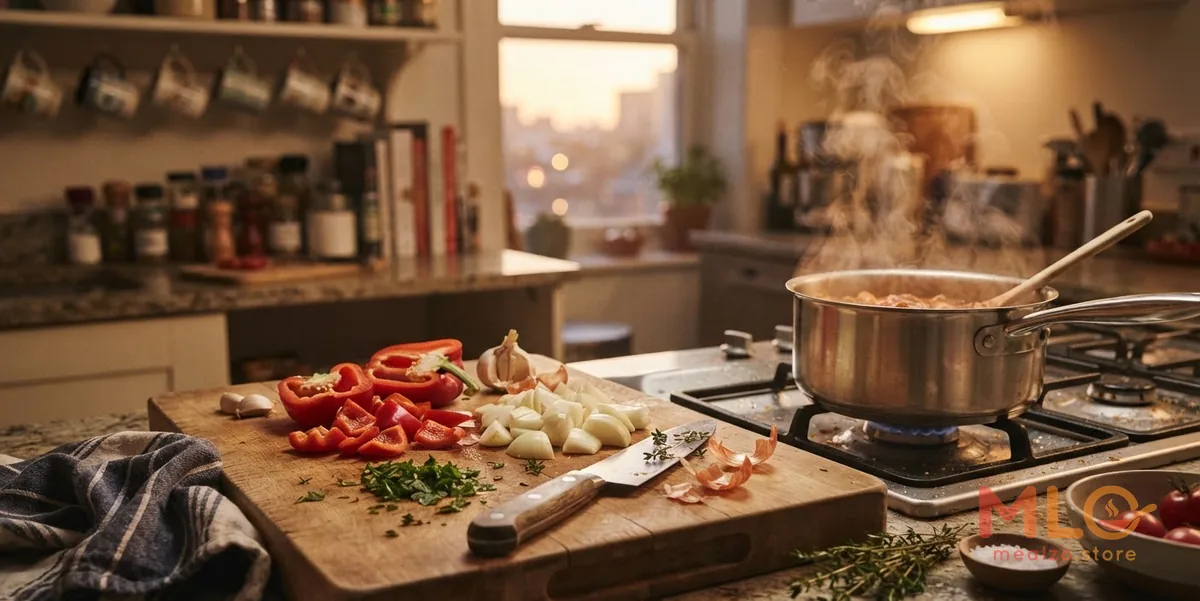
Cooking at home sounds simple until you calculate everything that happens before and after the actual cooking.
You decide what to eat, check what is already in the fridge, make a shopping list, travel to a supermarket or market, carry groceries home, wash and chop ingredients, cook, portion the food, store leftovers, wash the pans, and eventually figure out what to do with the half-bag of herbs that is starting to wilt.
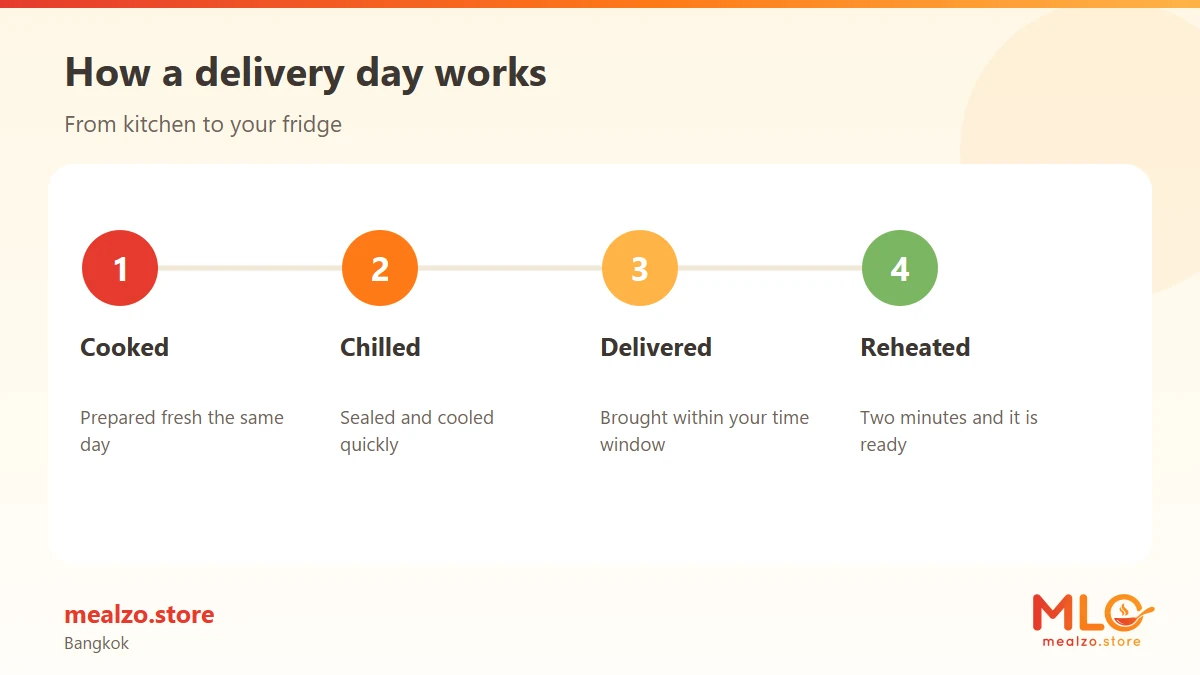
A meal subscription approaches food from the opposite direction. Instead of organising ingredients and kitchen time, you organise meals in advance and receive prepared food according to a plan.
For Bangkok residents, the difference can be particularly noticeable. Long commutes, traffic, hot weather, compact condo kitchens, irregular working hours and easy access to inexpensive restaurant food all affect the calculation.
That is why comparing meal subscription vs home cooking Bangkok residents face is not simply a question of which option is cheaper. The more useful comparison includes time, effort, predictability, nutrition, waste, variety and how much mental space you want food preparation to occupy in your week.
If you are still comparing different forms of prepared food, our complete guide to healthy meal delivery in Bangkok gives a broader overview of how delivery-based eating can fit into everyday life in the city.
1. Home cooking takes more time than the recipe suggests
A recipe that says "30 minutes" usually measures cooking time, not the complete process of getting dinner onto the table.
Home cooking normally involves four separate blocks of time:
- buying ingredients,
- preparing them,
- cooking,
- cleaning up.
A 25-minute stir-fry may therefore represent considerably more than 25 minutes of your evening.
Even grocery shopping can become a project in Bangkok. You might stop at a supermarket after work, visit a fresh market for better produce, order some ingredients online and discover that you still forgot one essential item.
Someone who enjoys shopping and cooking may not mind any of this. It can be relaxing, creative and satisfying.
The calculation changes when you are already working long hours.
For someone returning to a condo at 7:30 or 8:00 p.m., the difference between "I need to cook" and "my meal is already organised" can determine whether the intended healthy dinner actually happens.
This is one reason meal planning for busy professionals matters so much. The main challenge is often not knowing what healthy food looks like. It is consistently finding time to organise it.
2. Shopping time is part of your food budget
Key takeaway: Home cooking gives you maximum control, but planning, shopping, cooking and cleanup can easily consume several hours each week.
When people compare home cooking with a meal subscription, they often compare only visible food costs.
A more realistic comparison includes the value of time.
Suppose you shop for groceries twice per week. Each trip involves getting to the shop, choosing ingredients, queuing, travelling home and unpacking everything.
Even when the supermarket is inside or beside your condo complex, shopping still requires planning. Larger shopping trips may mean dealing with elevators, parking, taxis, BTS connections or carrying several bags through Bangkok heat.
Fresh markets can be fantastic for vegetables, herbs, fruit, seafood and local ingredients. They also require more active participation. You need to decide what you need, understand quantities and turn those ingredients into meals before they spoil.
None of this makes shopping "bad." For enthusiastic home cooks, the market visit can be part of the pleasure.
But if the objective is simply to eat balanced meals reliably, the time spent sourcing ingredients belongs in the comparison.
3. Preparation and cleanup create invisible work
Cooking receives most of the attention. Preparation and cleanup often create more frustration.
Before a meal you may need to:
- wash vegetables,
- peel and chop ingredients,
- portion protein,
- prepare sauces,
- marinate meat,
- thaw frozen ingredients,
- clean cutting boards and knives.
Afterwards there are pans, utensils, plates, kitchen surfaces and food storage containers.
In a large kitchen, this may be manageable. In a small Bangkok condo kitchen, one cutting board, one frying pan and several ingredients can occupy most of the available counter space.
Cooking several meals at once is more efficient, but it creates its own workload. Sunday meal prep might save time Monday through Thursday, but Sunday becomes partly dedicated to food production.
That is the central trade-off: home cooking gives you control, but control requires participation.
If reducing kitchen work is your priority, how box diets save time in Bangkok explores the time-saving side in more detail.
4. Effort is not only physical, it is mental
| Task | Home cooking | Meal subscription |
|---|---|---|
| Planning meals | 30-60 min | 10-20 min |
| Shopping / market trips | 1-2 h | 0-20 min |
| Cooking | 3-5 h | 0-30 min |
| Cleaning up | 1-2 h | 15-30 min |
| Managing leftovers | 20-40 min | 0-15 min |
| Total weekly effort | 6-10 h | 30-90 min |
There is another cost that is harder to measure: decision-making.
What are you eating tomorrow?
Do you have enough chicken?
Will the spinach last until Thursday?
What should you cook with the remaining pumpkin?
Did you remember breakfast?
Should you cook tonight or order something?
These are small decisions, but they repeat constantly.
A person cooking at home must effectively run a miniature food-management system. That involves planning inventory, recipes, portions, storage and timing.
Some people genuinely enjoy this.
Others become tired of deciding.
This distinction matters because a meal subscription does not only remove chopping and washing dishes. It can remove repeated decisions about what needs to be bought, prepared and portioned.
That predictability can be especially useful during busy work periods, when maintaining consistent eating habits is more difficult than understanding what you should eat.
5. Home cooking can be cheaper, but the real cost varies
Cooking from basic ingredients can absolutely be economical, particularly when you shop carefully and use everything you buy.
Rice, eggs, seasonal vegetables, tofu, chicken and local ingredients can produce affordable meals in Bangkok.
However, the cost advantage becomes less obvious when your cooking habits involve:
- imported ingredients,
- premium supermarkets,
- small package sizes,
- repeated taxi or delivery fees,
- unused groceries,
- spontaneous takeout after buying food you never cooked,
- recipes requiring several ingredients used only once.
People often compare the theoretical cost of a home-cooked meal with the complete price of a prepared meal.
A more useful comparison is:
How much do I actually spend to feed myself consistently for a week?
That includes groceries that are eaten, groceries that are thrown away, delivery orders, restaurant meals caused by a lack of preparation and incidental shopping.
Home cooking is usually most cost-effective when you plan well, reuse ingredients across several dishes and cook regularly enough to avoid waste.
If you cook only twice per week but shop as though you will cook six times, the economics deteriorate quickly.
6. A meal subscription offers stronger cost predictability
Key takeaway: In Bangkok, heat, condo kitchen size and travel time can make the practical cost of cooking larger than the cooking time alone.
Home-cooking expenditure fluctuates.
One week you may need only vegetables and protein because the pantry is full. The following week you replace olive oil, spices, rice, sauces, coffee and several staples at once.
A meal subscription changes the structure of spending. Instead of assembling meals from multiple purchases, you choose a defined food plan for a defined period.
That does not automatically mean it is cheaper than cooking.
It means the expense can be easier to forecast.
Predictability is valuable for people who dislike watching grocery costs gradually increase through dozens of small transactions.
It also helps separate "food I planned to eat" from impulse spending.
With home cooking, it is easy to buy groceries and then still order dinner because you are too tired to use them. When this happens regularly, you effectively pay twice.
7. Food waste changes the economics of home cooking
A refrigerator full of ingredients is not the same thing as a refrigerator full of meals.
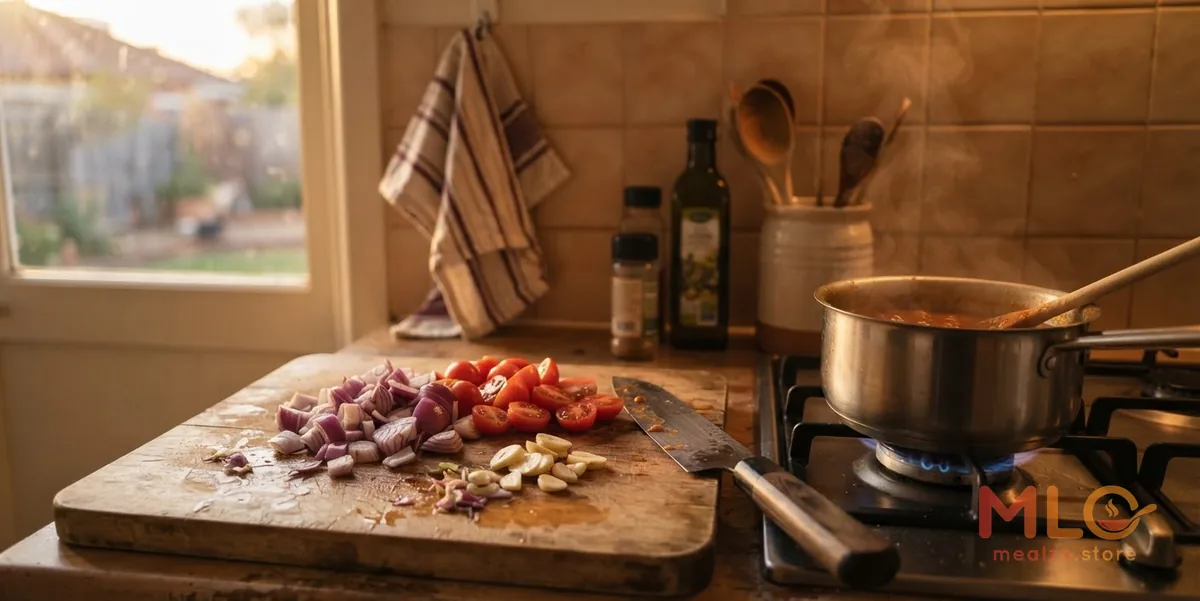
Fresh herbs are a classic example. You need a small amount for one recipe, but you buy an entire bunch. Salad greens are purchased with good intentions and begin wilting before the middle of the week. A sauce requires half an onion, part of a lime and three tablespoons of coconut milk, leaving several ingredients to be used later.
Good home cooks learn to build meals around leftovers.
They turn remaining vegetables into soup, use herbs in another dish and freeze spare portions.
But this requires experience and planning.
People living alone face an additional problem: supermarket package sizes and recipes are often designed for multiple servings. Buying a wide variety of ingredients for one person can create disproportionate waste.
Prepared meals shift that responsibility away from the individual household. You receive a meal rather than the raw inventory required to manufacture one.
8. Nutrition is easier to control at home, if you actually control it
| Factor | Why it matters here | Impact |
|---|---|---|
| Heat and humidity | Cooking can make an already warm home less comfortable | More effort and kitchen heat |
| Small condo kitchens | Limited counter space, storage and equipment are common | Harder meal prep and cleanup |
| Traffic and delivery times | Crossing Bangkok for groceries can take longer than expected | Shopping becomes less predictable |
| Fresh market hours | Some markets are most useful early in the day | Shopping requires more planning |
| Ingredient storage | Small fridges and humid conditions limit practical stockpiling | More frequent buying may be needed |
| Eating out culture | Prepared food is widely available across Bangkok | Home cooking competes with convenient alternatives |
One of the strongest arguments for home cooking is complete ingredient control.
You decide:
- how much oil to use,
- how much salt goes into the dish,
- which protein to buy,
- how many vegetables to include,
- whether to add sugar,
- how large the portion should be.
For someone who understands nutrition and cooks consistently, this is a major advantage.
But theoretical control and practical consistency are not the same thing.
A person may start the week with carefully prepared meals and finish it with instant noodles, takeaway or oversized restaurant portions because there was no time to cook.
Nutrition depends on repetition.
A perfectly balanced meal on Monday does not compensate for four unplanned days.
This is why food systems often work better than individual acts of discipline. The easier a routine is to repeat, the more useful it becomes.
9. Variety is easier with restaurants, harder with one-person cooking
Bangkok is one of the easiest cities in the world to eat something different every day.
Thai food alone offers enormous diversity, and international cuisines are available across much of the city.
Home cooking can feel comparatively repetitive, particularly for one person.
The reason is efficiency.
If you buy ingredients for green curry, you may naturally cook several portions of green curry. If you roast chicken and vegetables, you may eat them again tomorrow because making one portion at a time is inefficient.
Batch cooking saves time but reduces variety.
Cooking something completely different for every meal increases both cost and effort.
This is one of the most important tensions in home meal prep: efficiency rewards repetition.
People who enjoy repeating lunches for several days may not care. Others quickly become bored and start ordering food despite having prepared meals in the refrigerator.
For that second group, simple meal-prep alternatives for busy people can be useful when building a routine that requires less repetitive cooking.
10. Home cooking requires more skill than people admit
Key takeaway: A MEALZO meal plan can make weekday eating more predictable with chef-prepared, balanced, calorie-controlled meals and flexible plan options.
Basic cooking is learnable, but consistently producing enjoyable, balanced meals requires several different skills.
You need to know how to buy ingredients, store them correctly, understand cooking times, combine flavours, manage portions and use leftovers.
Then there is equipment.
A basic condo kitchen might have an induction hob, microwave, rice cooker and refrigerator. That is enough to cook, but it may not make ambitious meal preparation pleasant.
Ventilation also matters.
Frying garlic, fish, spices or meat in a compact apartment can leave cooking smells around far longer than expected. Kitchens without strong extraction make high-heat cooking less attractive.
None of these are serious obstacles if you love cooking.
They matter much more if you regard cooking primarily as another task that has to be completed.
11. Bangkok changes the home-cooking equation
The comparison between meal subscriptions and home cooking would look different in a suburban house with a large kitchen, private car and supermarket five minutes away.
Bangkok introduces its own variables.
Heat
Walking home with groceries in Bangkok's heat can make even a short shopping trip unpleasant. Fresh and frozen ingredients also need to be transported appropriately.
Traffic
A supermarket that looks close on a map may not feel close during evening traffic.
Condo space
Many Bangkok residents live in condos with limited worktops, limited storage and smaller refrigerators. Bulk meal prep becomes less convenient when six containers occupy half the fridge.
Market access
On the positive side, Bangkok offers excellent access to fresh ingredients, supermarkets, local markets and food delivery.
Cheap prepared food
Home cooking also competes with another unusually strong alternative: Bangkok's huge supply of ready-to-eat food.
That makes the decision less binary than "cook or subscribe."
Many residents use a combination of home cooking, street food, restaurant delivery and prepared meal plans.
The best system may therefore be the one that covers the part of your diet most likely to become inconsistent.
12. Flexibility means different things in each system
Home cooking offers maximum day-to-day flexibility.
You can change your mind at 6:00 p.m., cook something different, eat leftovers or skip cooking entirely.
But this flexibility also creates uncertainty.
Meal subscriptions reverse that relationship. More of the food decision is made in advance, creating structure.
For some people, structure feels restrictive.
For others, it feels freeing.
The important question is what kind of flexibility you actually need.
If your schedule changes constantly, you may prefer shorter commitments or a system that covers only part of your week. If your working days are highly predictable, a longer meal plan may be easier to integrate.
Before committing to a schedule, choosing the right subscription length can help you think through how much structure makes sense.
13. When a Bangkok meal subscription starts to make sense
This is where a service such as MEALZO enters the comparison.
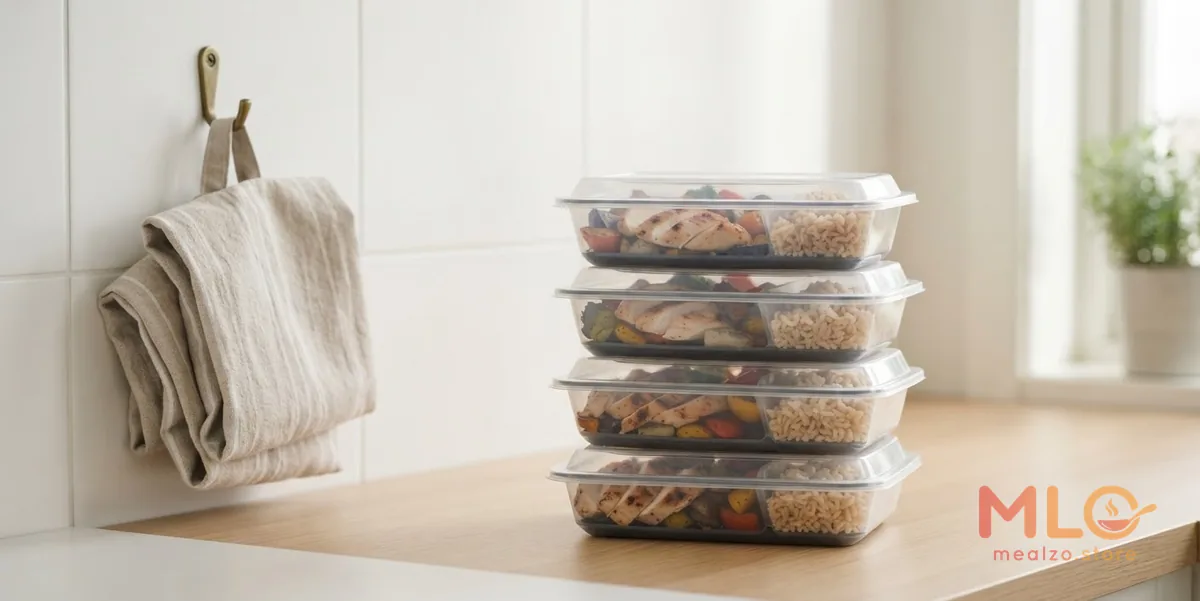
MEALZO provides meal-plan delivery in Bangkok with chef-prepared balanced meals and flexible plan options. Instead of shopping for individual ingredients and assembling meals yourself, you can organise a defined period of eating in advance.
The practical benefit is not that cooking suddenly becomes unnecessary for everyone.
It is that some of the most repetitive parts of food management can be removed.
A meal plan can make particular sense if you:
- work long or irregular hours,
- live in a condo with a small kitchen,
- regularly buy groceries that go unused,
- want more predictable nutrition,
- dislike planning meals every day,
- want prepared food available without repeatedly deciding what to order.
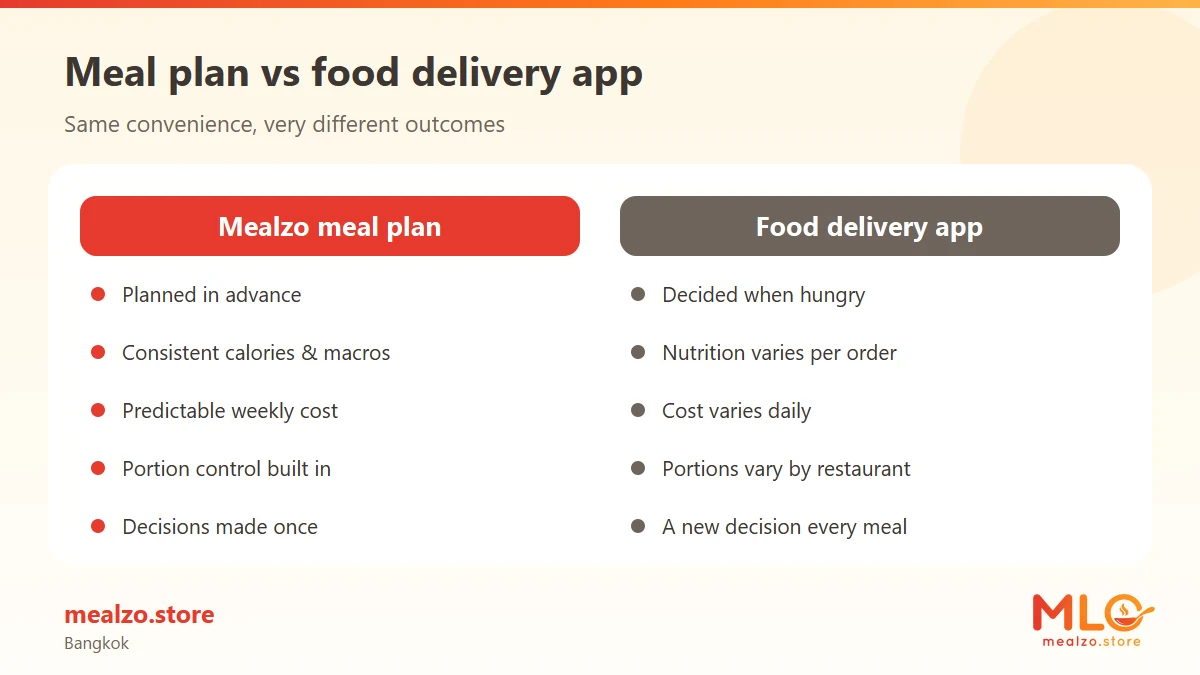
Because meals are planned rather than improvised individually each day, nutrition can also become easier to anticipate.
That predictability is different from simply opening a delivery app every evening and choosing whatever seems appealing.
For current options, see Mealzo's meal plans.
14. Who should keep cooking at home?
A meal subscription is not automatically the superior choice.
Home cooking remains an excellent option for people who enjoy the process and have enough time to do it properly.
Cooking at home is particularly attractive if you:
- enjoy visiting markets,
- already know how to plan meals efficiently,
- have dietary requirements you prefer to manage personally,
- like experimenting with recipes,
- cook for several people,
- have adequate kitchen and refrigerator space,
- regularly use leftovers without wasting food.
Cooking can also be recreational.
For some people, chopping vegetables after work is relaxing rather than annoying. Preparing a weekend curry or trying a new recipe may be one of the most enjoyable parts of the week.
If that describes you, replacing all home cooking with prepared meals would remove something valuable.
A hybrid approach may make more sense.
You might cook leisurely meals on weekends while using prepared meals on working days. Or you could prepare breakfast yourself while outsourcing lunch and dinner.
The comparison does not have to produce one permanent winner.
15. How to decide between a meal subscription and home cooking
Rather than asking, "Which is better?" examine how you actually live.
For one week, pay attention to what happens around your meals.
How many minutes do you spend shopping?
How many evenings do you genuinely cook?
How many groceries are discarded?
How many meals do you order because there is nothing ready?
How often do you eat something different from what you planned?
How much does your weekly food spending fluctuate?
You may discover that home cooking is working extremely well.
You may also discover that you enjoy the idea of home cooking more than the reality of doing it five or six days per week.
The strongest system is usually the one that requires the least repeated negotiation with yourself.
If a kitchen routine is easy, enjoyable and economical, keep it.
If buying ingredients, cooking and cleaning repeatedly interfere with work, exercise, social life or sleep, outsourcing some meals can be a rational exchange of money for time and predictability.
For many Bangkok residents, the most practical answer is not 100% cooking or 100% prepared meals. It is assigning each method to the situations where it performs best.
Cook when you have time and want to cook.
Use a structured meal plan when predictability matters more than the process.
And judge both options by what actually happens over a month, not by the ideal version of your week.
Frequently Asked Questions
Is cooking at home always cheaper?
Not necessarily. The answer depends on what you cook, where you buy ingredients, how efficiently you use them and how much food is wasted. Home cooking can be economical, but the comparison should also include shopping time, preparation and cleanup.
Can I combine home cooking with a meal subscription?
Yes. Many people prefer a hybrid approach rather than choosing one system for every meal. You might use a meal subscription for busy weekdays and cook at home when you have more time or want a particular dish.
What about food waste?
Home cooking can create waste when ingredients are purchased in quantities larger than you need or leftovers are forgotten. Pre-portioned prepared meals reduce the need to keep multiple ingredients at home, which can make food use more predictable.
Is cooking practical in a small Bangkok condo kitchen?
It can be, especially for simple meals, but limited counter space, ventilation, storage and equipment can make frequent cooking less convenient. A meal subscription removes most of the preparation and cleanup without requiring a larger kitchen.
Does a meal subscription reduce food variety?
It does not have to. Variety depends on the menu and how the plan is structured. MEALZO uses chef-prepared meals within flexible meal plans, so a subscription can provide structure without requiring you to cook the same foods repeatedly.
What happens when I travel?
A flexible meal plan is easier to manage when your schedule changes, but you should check the applicable plan conditions before arranging deliveries around a trip. If you travel frequently, combining subscription meals with home cooking or eating out can give you more flexibility.
Know someone who'd like Mealzo?
If you know someone in Bangkok who might enjoy Mealzo Bangkok, you can share it with them through our referral programme.