Healthy Meal Delivery in Bangkok: A Complete Buyer's Guide
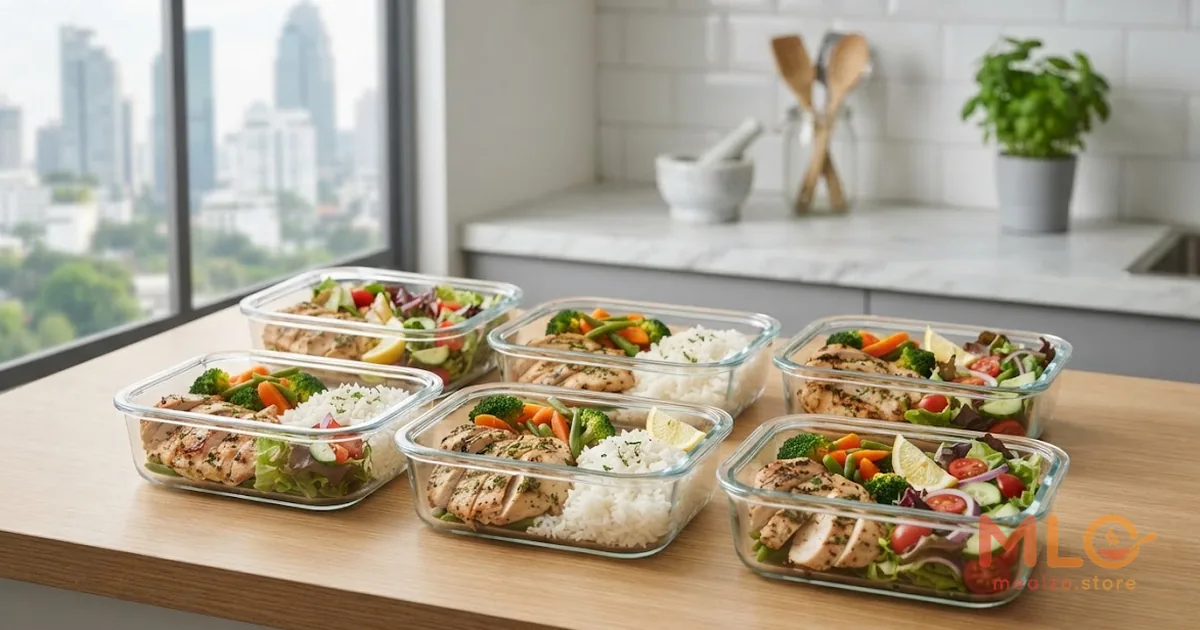
Eating well in Bangkok is easy in theory. The city has fresh produce, excellent restaurants, international cuisine, convenience stores on almost every corner and food available at nearly any hour.
The difficult part is consistency.
A busy workday runs late. Traffic turns a short trip into an hour. The nearest lunch option is quick rather than balanced. Food delivery apps make ordering convenient, but convenience does not automatically mean good nutrition. After several days of choosing meals while hungry, even people with strong intentions often end up eating whatever requires the least thought.
That is where healthy meal delivery Bangkok services can become useful. Instead of treating every breakfast, lunch or dinner as a new decision, a meal-plan service gives you prepared meals built around a more consistent structure.
But Bangkok has many different versions of "healthy food." Some businesses sell individual restaurant dishes. Others prepare calorie-controlled fitness meals. Some focus on plant-based eating, keto or weight management. Others operate as structured meal subscriptions where meals are planned in advance and delivered according to a schedule.
Choosing between them requires more than looking at photos of grilled chicken, brown rice and vegetables.
This guide explains what to check before subscribing, how Bangkok delivery logistics affect the experience, what actually makes a prepared meal nutritionally useful, and how to decide whether a meal plan fits your lifestyle.
1. What Healthy Meal Delivery Actually Means
Healthy meal delivery is a broad category, which is part of the reason comparisons can become confusing.
At its simplest, it means prepared food delivered to your home or workplace with some emphasis on nutrition. That emphasis may involve calorie control, protein targets, vegetables, whole-food ingredients, portion control or specific dietary patterns.
The important distinction is between ordering healthy-looking food and using a structured meal-delivery system.
A restaurant may have several nutritious dishes available through a food-delivery app. You order one when you want it, just as you would order pizza or Thai food.
A meal-plan provider usually works differently. Meals are prepared around a predefined structure, often covering several days or multiple meals per day. Instead of repeatedly deciding what to order, you choose a plan and follow a more predictable eating routine.
That difference matters if your objective is consistency.
If you order independently every day, you still have to decide:
what to eat, how much to eat, whether the meal contains enough protein, whether vegetables are included, whether the portion fits your needs and what you will eat at the next meal.
A meal plan reduces part of that decision-making.
For a deeper comparison, see diet meal delivery versus regular food delivery.
2. Who Benefits Most From a Meal-Plan Service?
Key takeaway: A meal-plan subscription offers more consistent calorie control than ordering different restaurant meals each day.
Healthy meal delivery is not automatically the best choice for everyone. It becomes particularly useful when lack of time, planning or consistency is the main reason your diet keeps drifting away from what you intended.
Busy professionals are an obvious example.
If you leave your condo early, spend most of the day at an office and return home late, cooking several balanced meals each day may be technically possible but practically unrealistic.
The same is true for people working irregular schedules, running businesses, travelling around Bangkok for meetings or working long hours from home.
Expats may find meal delivery especially convenient during their first months in Bangkok. Learning where to shop, finding familiar ingredients, understanding food labels and adapting to a new kitchen or condo setup all take time.
Meal plans can also work well for people who train regularly and want more predictable portions or protein intake.
They may suit people whose biggest problem is not nutritional knowledge but execution. You may already know that vegetables, adequate protein and sensible portions are useful. The difficulty is making those things appear on your plate consistently.
Meal delivery becomes less compelling if you genuinely enjoy cooking every day, have enough time for meal preparation and prefer complete control over every ingredient.
The comparison is therefore not simply "delivery versus cooking." It is about how much time, planning energy and flexibility each option requires.
You can explore that trade-off in meal subscription compared with home cooking.
3. The Main Types of Healthy Food Services in Bangkok
Before comparing providers, identify what type of service you are actually looking at.
Bangkok broadly offers several models.
On-demand healthy restaurants operate much like conventional restaurants. You choose individual dishes and order whenever you need food. This provides flexibility but little long-term structure.
Fitness-oriented meal services often focus heavily on calories, protein or macronutrients. These may appeal to gym users, athletes or people following specific body-composition goals.
Specialist dietary services concentrate on one eating pattern such as keto, vegetarian, vegan, low-carb or gluten-free meals.
Meal-prep businesses produce prepared dishes in batches, sometimes allowing customers to order multiple meals at once.
Subscription meal plans organize food around a recurring schedule. Customers select a plan and receive meals according to the chosen duration or delivery arrangement.
None of these formats is inherently superior.
The right one depends on what problem you are trying to solve.
If you simply want a nutritious lunch twice a week, on-demand ordering may be enough. If you want to remove daily food decisions and establish a consistent eating routine, a structured subscription is more appropriate.
That distinction should be one of your first comparison criteria when reviewing what to compare before subscribing.
4. Start With Food Quality, Not Marketing Labels
| Service type | Best for | Nutrition consistency | Typical commitment |
|---|---|---|---|
| Meal-plan subscription | Structured daily eating | High | Several days or longer |
| Healthy restaurant delivery | Occasional healthy meals | Medium | Single order |
| Food delivery apps | Maximum choice and convenience | Low to medium | Single order |
| Home cooking | Full ingredient control | High if carefully planned | Shopping and cooking time |
| Office catering | Teams eating together | Medium | Scheduled group orders |
Words such as "healthy," "clean," "fit," "natural" and "premium" appear everywhere in the food industry. They sound reassuring but tell you very little on their own.
Look at the actual meals.
A strong meal service should show evidence of variety in protein sources, vegetables, carbohydrates, sauces, herbs, cooking methods and cuisines.
Repeated combinations of plain chicken breast, broccoli and rice may technically fit certain nutritional targets, but most people will struggle to enjoy the same format day after day.
Quality also includes texture.
Vegetables should still have structure rather than becoming soft and watery. Rice and noodles should reheat well. Meat should remain tender. Sauces should support the meal rather than hide poor ingredients.
Pay attention to how the food looks after delivery, not only in promotional photography.
Healthy meal delivery is ultimately still food. If it is nutritionally impressive but unpleasant to eat, adherence will collapse.
Ingredient transparency is another positive sign. You do not necessarily need a forensic breakdown of every gram, but the provider should be able to communicate clearly about the types of ingredients and meals it serves.
And remember that "clean" is not a scientifically precise category. It often reflects a style of eating rather than a strict nutritional standard. what clean eating really means explains the concept in more detail.
5. Freshness Matters More in Bangkok's Climate
Bangkok's heat changes the practical requirements of prepared food delivery.
A meal may leave a kitchen in excellent condition, but what happens between the kitchen and your refrigerator matters.
Prepared meals containing meat, seafood, dairy, rice, sauces and cooked vegetables need appropriate handling during storage and transportation.
As a customer, you do not need to become a food-safety inspector. You should, however, pay attention to several practical indicators.
Packaging should arrive intact.
Meals that are intended to be chilled should feel properly cold when received. Containers should not be leaking, swollen or damaged. Delivery timing should be predictable enough that food is not left outside a condo door for a long period.
Once meals arrive, refrigerate them promptly according to the provider's storage instructions.
This becomes particularly important in condos where delivery riders cannot access residential floors and leave food at reception or in a lobby collection area.
If you know you will not be available when delivery arrives, find out how the service handles that situation before subscribing.
A nutritionally excellent meal is useless if the delivery process compromises its quality before you eat it.
6. Balanced Nutrition Is More Than a Calorie Number
Key takeaway: In Bangkok, the delivery window matters almost as much as the menu because traffic and building access can affect when meals actually reach you.
Calories matter, but they are only one part of a useful meal.
Two dishes can contain similar calories while providing very different amounts of protein, fibre, vegetables, carbohydrates and fat.
A well-constructed meal usually contains some combination of:
a meaningful protein source, vegetables or other fibre-rich foods, an appropriate carbohydrate source, and enough dietary fat to support flavour and satiety.
The exact proportions depend on the meal and the person's needs.
Someone training intensely may want more carbohydrate. Someone trying to reduce overall energy intake may choose a smaller portion. Another person may simply need a reliable lunch that prevents them from becoming extremely hungry at 4 p.m.
Protein deserves particular attention because many convenience meals are relatively carbohydrate-heavy.
That does not mean carbohydrates are a problem. Rice, noodles, potatoes, bread, fruit and other carbohydrate sources can all fit comfortably into a balanced diet.
The question is whether the overall plate makes sense.
A bowl containing mostly noodles with a few slices of meat is very different from a meal that includes a proper protein portion, vegetables and an appropriate amount of noodles.
Healthy meal delivery should therefore help create balance rather than simply chase the lowest possible calorie number.
7. Portions Should Match Your Real Life
One of the most common mistakes when choosing prepared meals is assuming that smaller automatically means healthier.
A meal that leaves you hungry an hour later may simply push you toward snacks, convenience-store food or another delivery order.
The ideal portion is large enough to support your needs while still fitting your overall eating pattern.
That can vary considerably between people.
A smaller office worker with a relatively sedentary routine will not necessarily require the same amount of food as someone who weighs 90 kilograms and trains five days a week.
Your meal plan also interacts with everything else you eat.
If a service provides three meals per day but you regularly eat snacks, desserts, café drinks or restaurant dinners, those foods still count toward your overall intake.
Conversely, someone eating five structured meals may prefer smaller individual portions distributed across the day.
Look at the plan as a whole rather than judging one container in isolation.
A good service should make it reasonably easy to understand what kind of eating structure you are purchasing.
8. Dietary Options: Useful When They Reflect Real Needs
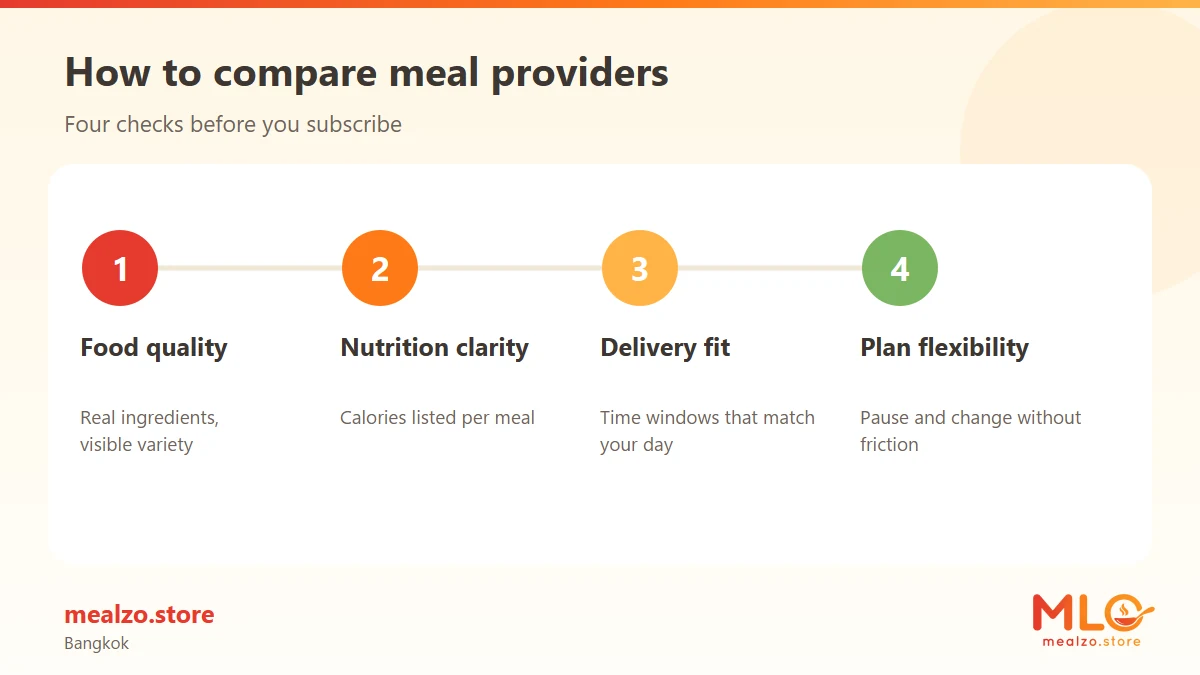
| What to check | Why it matters | Good sign |
|---|---|---|
| Calorie accuracy | Supports predictable daily intake | Calories listed per meal |
| Menu variety | Reduces menu fatigue | Regularly changing dishes |
| Delivery window | Must fit Bangkok schedules | Clear delivery time range |
| Packaging | Protects freshness and texture | Sealed, practical meal containers |
| Plan flexibility | Plans can change unexpectedly | Multiple plan durations available |
| Dietary options | Matches individual food needs | Clearly defined plan choices |
Bangkok meal-delivery companies increasingly offer specialised plans.
Common examples include vegetarian, vegan, high-protein, keto, low-carbohydrate, gluten-free and weight-management options.
These categories can be useful, but labels alone should not make the decision for you.
Start with the reason behind your choice.
A vegetarian chooses meals differently from someone simply trying to eat more vegetables. A person avoiding gluten for medical reasons requires a different level of control from someone reducing wheat by preference.
Similarly, choosing "high protein" does not automatically mean a diet is balanced. Protein still needs to exist within an appropriate overall meal structure.
Keto and low-carb plans also require more than removing rice.
When reviewing dietary options, look at the actual menu examples. Ask yourself whether you would genuinely enjoy eating those meals repeatedly.
Sustainability matters.
The best dietary plan is rarely the one that sounds strictest. It is the one you can realistically follow while still enjoying your food and maintaining your social life in Bangkok.
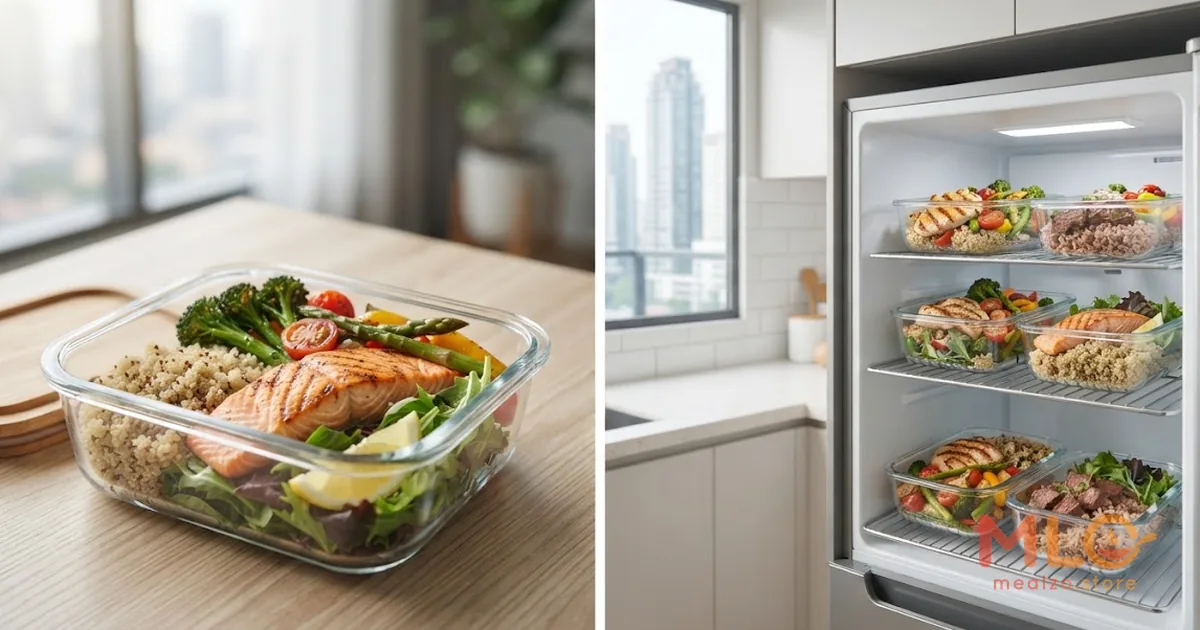
9. Variety Is Not a Luxury: It Is an Adherence Tool
People often evaluate meal plans by asking how many different dishes are available.
A better question is how often the eating experience feels meaningfully different.
Changing one sauce while serving the same chicken, vegetables and rice repeatedly creates technical variety without much practical variety.
Good menu rotation can involve different proteins, cuisines, herbs, vegetables, textures and cooking techniques.
Thai food provides enormous possibilities here: basil, chilli, lemongrass, lime, ginger, garlic, curry pastes and fresh herbs can produce very different flavours without requiring excessively heavy cooking.
International meals can add further variation.
Variety also affects nutrition. Different vegetables, protein sources and carbohydrate foods naturally provide different micronutrients and fibres.
There is another benefit: it reduces the urge to abandon the plan.
If every container feels predictable by day four, restaurant food becomes much more tempting.
A meal-delivery service should make consistency easier, not turn healthy eating into a test of discipline.
10. Bangkok Delivery Logistics Can Make or Break the Service
Key takeaway: Flexible plan lengths are valuable if your work schedule, travel dates, or eating routine changes frequently.
Bangkok looks compact on a map. Anyone who lives here knows that distance and travel time are not the same thing.
Rain, traffic, office towers, gated compounds, condo security procedures and crowded commercial districts can all complicate food delivery.
This is why logistics should be part of your buying decision.
First, confirm that your location is genuinely inside the delivery area.
Second, understand the expected delivery window.
A vague promise of "morning delivery" may be perfectly acceptable if someone is always at home. It may be inconvenient if you leave for work at a specific time.
Condos add another layer.
Some buildings allow riders to leave food with reception. Others use designated delivery shelves or lobby areas. Some require residents to come downstairs.
Office deliveries can be equally complicated, particularly in large towers where riders must register or cannot access upper floors.
Before subscribing, decide where you realistically want your meals delivered: home, office or another regular location.
Then ask what happens if you are unavailable.
For a more detailed look at this issue, see delivery to Bangkok condos and offices.
11. Think About Storage Before You Order Several Days of Food
Prepared-meal subscriptions often look effortless until five or ten containers arrive and your refrigerator is already full.
Check your storage capacity.
Bangkok condo refrigerators are not always large, especially in studios and smaller apartments. If your plan includes several meals per day, containers can occupy substantial space.
You may need to reorganize shelves before a delivery.
Also understand how long the meals are intended to be stored and which dishes should be eaten first.
Some ingredients naturally hold better than others. Curries, stews and certain rice dishes often reheat differently from salads, grilled vegetables or delicate seafood.
Follow the provider's refrigeration and reheating guidance.
If you take meals to work, consider transport as well. Carrying food around Bangkok for several hours without appropriate temperature control is not a good plan.
For office workers, one practical setup is delivery directly to a workplace with a refrigerator and microwave.
The best meal plan is the one that works with your actual daily environment.
12. How to Evaluate the Price Without Comparing Only the Container
People often compare healthy meal services against the cheapest dish they can order nearby.
That is understandable but incomplete.
A meal subscription price can reflect much more than the ingredients visible in one container.
Factors may include:
ingredient quality, portion size, protein quantity, menu planning, chef preparation, packaging, delivery logistics, specialised dietary requirements and the number of meals included in the plan.
Plan duration can also influence how services structure pricing.
The correct comparison is therefore not simply:
"How much does this lunch cost?"
Ask instead:
"What am I replacing?"
If the alternative is home cooking, include grocery shopping, cooking, cleaning, planning and food waste.
If the alternative is daily restaurant delivery, consider delivery fees, impulse additions, inconsistent portion sizes and the time spent deciding what to order.
If you frequently buy a second snack because lunch was too small, include that too.
Meal delivery does not have to be the cheapest eating method to provide value. It needs to save enough time, effort or decision-making to justify its cost for you.
13. Run a Trial Before Making the Service Part of Your Routine
Marketing pages cannot tell you how food tastes after three days.
A trial can.
If a service offers enough flexibility, begin with a shorter commitment before moving to a longer plan.
During the trial, evaluate the service systematically rather than deciding based on the first meal.
Check taste, portion size, freshness, delivery reliability, packaging and how you feel between meals.
Notice whether you are still ordering additional food.
Pay attention to which meals reheat well and whether the menu provides enough variety.
Also ask yourself a less obvious question:
Did the service make your day easier?
That is one of the most important measures.
A meal subscription should reduce friction around food. If managing deliveries, storing containers and rearranging your schedule creates more work than it removes, the service may not suit your routine.
For professionals who regularly skip meals or make last-minute food decisions, this links closely with meal planning for busy professionals.
14. Common Mistakes When Choosing Healthy Meal Delivery
The first mistake is choosing entirely by calories.
The second is choosing entirely by price.
The third is assuming every meal labelled healthy will match your nutritional goals.
Another common problem is selecting an extremely restrictive plan because it feels more serious.
People may jump from ordinary eating directly into a very low-calorie, very low-carb or highly specialised diet without asking whether they can maintain it.
Delivery logistics are also frequently underestimated.
A service can look perfect until you discover that deliveries arrive when you are commuting or that your building has inconvenient rider-access rules.
Some customers also ignore menu variety. A plan may look appealing when viewing three promotional meals but become repetitive across several weeks.
Finally, people sometimes expect meal delivery to solve every part of their diet.
It will not.
You still decide what you drink, what you eat socially, what snacks you buy and how you eat outside the plan.
A meal service is a tool for structure. It is not nutritional autopilot.
15. A Simple Decision Framework for Comparing Bangkok Meal Plans
Instead of comparing dozens of features, score each provider across six areas.
1. Food
Would you genuinely want to eat the meals several times per week?
2. Nutrition
Do the portions, protein, vegetables and overall meal structure match what you are trying to achieve?
3. Variety
Does the menu rotate enough to remain enjoyable?
4. Logistics
Can the provider reliably deliver to your condo or office at times that fit your schedule?
5. Flexibility
Can you choose a plan duration and meal structure that makes sense for your lifestyle?
6. Value
Does the amount of time, planning and effort saved justify the cost?
You can score each category from one to five.
More importantly, identify your non-negotiables.
For one person, reliable office delivery may matter more than menu size.
For another, dietary restrictions may dominate the decision.
For someone training seriously, protein content and portion size may matter most.
There is no universally best healthy meal delivery service in Bangkok because people are trying to solve different problems.
There can, however, be a best match for your routine.
16. Where MEALZO Fits Into the Meal-Plan Approach
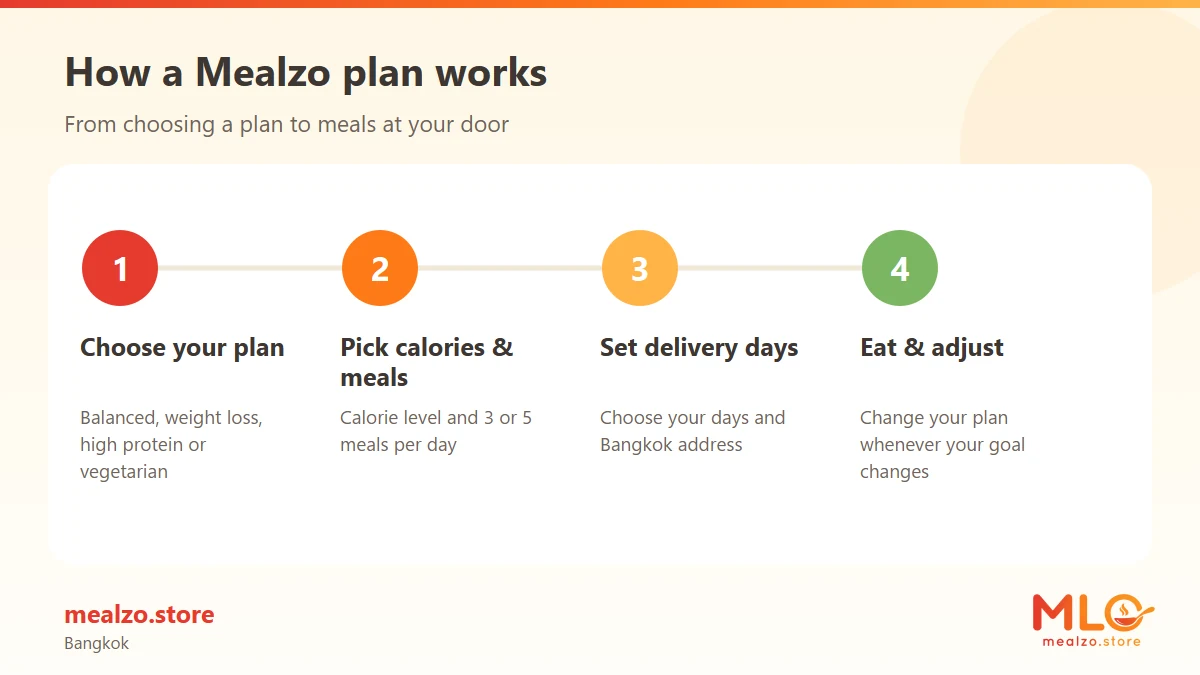
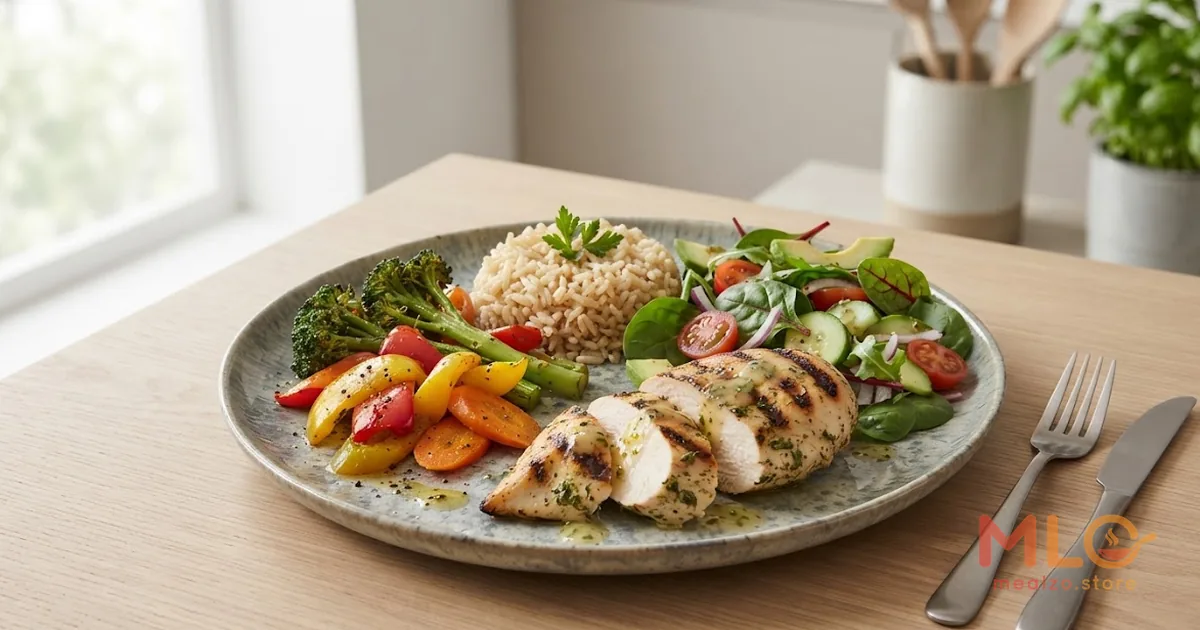
MEALZO is built around the structured meal-plan model rather than one-off restaurant ordering.
It provides Bangkok meal-plan delivery with chef-prepared balanced meals, designed for people who want a more consistent way to organise everyday eating.
The emphasis is not on forcing everyone into one rigid diet.
Flexible plans allow customers to choose a structure that fits their routine, while prepared meals reduce the need to repeatedly shop, cook, portion and decide what to eat next.
Delivery across Bangkok also makes the model practical for people living or working in different parts of the city.
That can be particularly useful for professionals, expats and locals who already understand the basics of eating well but struggle to reproduce those habits consistently during busy weeks.
Rather than treating healthy food as an occasional restaurant order, a meal plan turns it into part of your schedule.
You can see Mealzo's meal plans to compare the available options directly.
17. How to Know if Healthy Meal Delivery Is Worth It for You
There is a simple test.
Think about the last seven days.
How many times did you eat something you had not planned because you were tired, busy or hungry?
How much time did you spend thinking about what to order?
How often did you skip a proper meal and compensate later?
How much food did you buy for cooking and then fail to use?
If those problems happen repeatedly, healthy meal delivery may provide significant value.
Not because delivered food is inherently healthier than home cooking.
Home cooking can be excellent.
Restaurant food can also fit a balanced diet.
The advantage of a meal plan is predictability.
It can give structure to the part of your diet that normally becomes chaotic when work, traffic and daily responsibilities take over.
For some people, using a plan for every weekday meal will make sense.
Others may use it only for lunches.
Someone else may keep evenings flexible for restaurants and social meals.
There is no requirement to outsource every meal.
Use the service where it removes the most friction.
18. The Best Healthy Meal Delivery Is the One You Can Keep Using
The strongest meal plan is not necessarily the one with the lowest calories, the longest ingredient list or the most aggressive fitness branding.
It is the one that works repeatedly.
The food needs to taste good.
Portions need to suit your needs.
Nutrition should be sensible.
Delivery needs to fit Bangkok life rather than complicate it.
Storage and reheating should be manageable.
And the cost should make sense relative to the time and effort the service saves you.
Approach healthy meal delivery in Bangkok as a practical lifestyle decision rather than a short-term diet challenge.
Start by identifying what currently makes eating well difficult. Then choose a service that solves that specific problem.
For a busy professional, that may be removing weekday lunch decisions.
For someone training regularly, it may be maintaining more consistent meals.
For an expat settling into Bangkok, it may be having reliable prepared food while building a new routine.
When the right meal plan fits the right lifestyle, healthy eating stops depending quite so much on willpower, and starts becoming something your schedule already supports.
Frequently Asked Questions
How does healthy meal delivery work in Bangkok?
Healthy meal delivery typically lets you choose a meal plan, calorie level, number of meals, and plan duration before prepared meals are delivered within Bangkok. Services such as MEALZO focus on chef-prepared, balanced meals rather than requiring customers to select individual restaurant dishes every day. Always check the provider's delivery area and delivery window before subscribing.
Is healthy meal delivery suitable for weight loss?
It can be useful because calorie-controlled meals make daily intake easier to plan and track. Weight loss still depends on your total energy intake, activity level, and individual needs, so a meal service is a practical tool rather than a guarantee. Choosing an appropriate calorie level is more important than simply choosing food labelled "healthy."
Can meal plans be delivered to condos and offices in Bangkok?
Yes, meal-plan delivery can work well for both Bangkok condos and offices, provided the address is inside the provider's delivery area. For condos, include the building name, tower, room or unit details, and any reception instructions that may affect access. Office customers should also consider reception hours and where food can be safely left if they are unavailable.
How far ahead should I order?
Order early enough to allow the provider to prepare your selected plan and confirm the delivery schedule rather than assuming same-day availability. This is especially important when starting a multi-day plan or arranging deliveries around work, travel, or weekends. Check the service's current ordering cutoff before choosing your intended start date.
What happens if my plans change?
Look for a service with flexible plan lengths and clearly stated rules for schedule changes. MEALZO offers flexible meal-plan options, which is useful when your routine does not stay identical every week. Before ordering, confirm how the provider handles changes to upcoming deliveries so you know what can be adjusted.
How can I judge whether delivered food is fresh?
Check that meals arrive properly sealed, at an appropriate temperature, and without damaged or swollen packaging. Fresh food should look and smell normal, with no obvious signs of prolonged heat exposure or leakage. In Bangkok's climate, meals should not be left unrefrigerated in a lobby, reception area, or outside a condo for extended periods.
Know someone who'd like Mealzo?
If you know someone in Bangkok who might enjoy Mealzo Bangkok, you can share it with them through our referral programme.