Meal Delivery to Bangkok Condos and Offices: Access, Storage and Scheduling
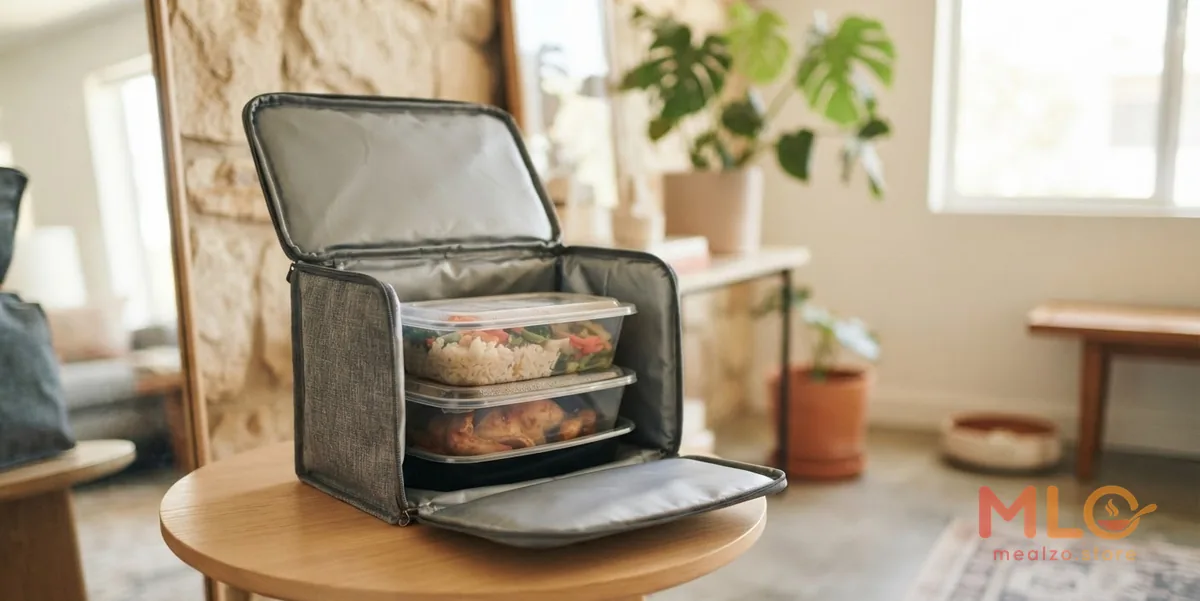
Ordering prepared meals in Bangkok sounds straightforward until the rider reaches your building.
Then the practical questions begin. Can the rider enter the condo? Does reception accept food? Is there a designated delivery shelf? Will office security allow the driver upstairs? What happens if you are presenting in a meeting when the meals arrive? Is there enough room in the shared refrigerator for tomorrow's lunch?
For meal delivery Bangkok condos offices customers, these details matter almost as much as the menu itself. A meal plan can be well matched to your routine, but if every delivery creates missed calls, lobby trips, security problems or warm food sitting unattended, the system quickly becomes inconvenient.
Bangkok adds its own complications. Large residential towers may have strict juristic-office procedures. Office buildings can require visitor registration. Access cards control lifts. Traffic makes minute-perfect arrival times unrealistic. Outdoor heat means meals should not be left somewhere unsuitable while you finish a meeting or commute home.
The solution is not complicated. You need a repeatable delivery setup: one known arrival point, clear instructions, reliable storage and a realistic schedule.
This guide explains how to make that work in Bangkok condos, serviced apartments, office towers and co-working spaces.
1. Delivery Logistics Can Make or Break a Meal Plan
People usually compare meal plans by food variety, calories, dietary preferences and how many meals are included. Those things matter, but the daily logistics deserve equal attention.
Imagine two delivery routines.
In the first, the rider arrives at a known lobby desk. Security already understands that meal deliveries are accepted there. The package is clearly identified, you receive a message, and you collect it on the way upstairs.
In the second, the rider calls because security refuses access. You are in a meeting. Reception does not know your room number. Twenty minutes later, you are trying to explain the building entrance while the driver waits outside on Sukhumvit.
The food may be identical. The experience is completely different.
Before subscribing to any recurring service, think about the physical journey your meals must make from the rider's vehicle to your refrigerator.
If you are still comparing services, our complete guide to healthy meal delivery in Bangkok explains the wider factors that matter beyond delivery access.
A reliable routine normally answers four questions:
- Where exactly does the delivery arrive?
- Who can receive it if you are unavailable?
- How quickly can it be moved into suitable storage?
- What happens when your normal schedule changes?
Solve those once and daily delivery becomes much less intrusive.
Key takeaway: A meal plan is easier to maintain when receiving and storing the delivery requires almost no daily decision-making.
2. Condo Reception, Lobby Rules and Parcel Handling
Bangkok condos vary enormously in how they handle delivery riders.
Some buildings allow riders to leave food with reception. Others have delivery tables or shelves near the lobby. Some require residents to collect every order directly at the entrance. In higher-security buildings, riders may not be allowed beyond the outer lobby at all.
Do not assume the procedure for ordinary parcels is the same as the procedure for prepared food.
A juristic office may happily accept a boxed online order but refuse responsibility for refrigerated meals. Staff may also avoid storing food behind the reception desk because there is no refrigerator or because building policy prohibits it.
When moving into a condo, or before starting regular meal delivery, ask reception a few practical questions:
- Are food deliveries allowed to be left in the lobby?
- Is there a designated table, shelf or collection point?
- Does the rider need to provide your room number?
- Will reception call you when food arrives?
- Can deliveries be accepted when you are outside the building?
- Are there different procedures late at night or early in the morning?
Once you know the rules, use the same delivery note consistently.
A useful instruction is specific: building name, correct entrance, tower if applicable, room or unit identifier where appropriate, and the agreed handover point.
“Leave at condo” is often not enough in a complex containing several towers.
3. The Juristic Office Is Not Your Personal Food Concierge
In Bangkok condominiums, the juristic office manages the common property and building rules. It is not automatically responsible for receiving, monitoring or refrigerating residents' meals.
That distinction matters with recurring deliveries.
If staff are willing to accept your package, make their job easy. Ensure your name or unit reference is clear. Collect meals promptly. Do not expect staff to rearrange a refrigerator, chase you repeatedly or solve delivery instructions that should have been communicated to the rider.
Buildings can also change their policies. A delivery arrangement that worked for months may be revised after management changes, complaints from residents or tighter security procedures.
If you rely heavily on reception, periodically confirm that the arrangement still works.
For people deciding among different subscriptions, what to compare before subscribing can help separate important operational details from marketing claims.
4. Security Desks, Access Cards and Lift Restrictions
Many Bangkok residential and commercial buildings use access cards for gates, lobby doors and elevators. A rider may physically reach the building but still have no way to reach your floor.
That is usually a building-security feature, not a delivery failure.
In condos, assume the default handover point is the lobby unless management explicitly allows riders upstairs.
Office towers can be even more controlled. Visitors may need to register, exchange identification, receive a visitor card or wait while a tenant confirms access. Some towers direct all couriers to a specific loading or delivery entrance rather than the main lobby.
The best delivery instruction is therefore based on what the building actually allows.
For example:
“Delivery to Tower B lobby, parcel table beside reception. Rider does not need lift access.”
That is far better than asking a driver to call after arriving and then improvising.
5. Delivery Windows Need to Account for Bangkok Traffic
Bangkok traffic does not respect your calendar.
Even when a service uses planned delivery windows, road conditions can vary because of rush hour, rain, construction, accidents, school traffic and congestion around major commercial districts.
A delivery window is therefore more useful than mentally treating an estimated time as a precise appointment.
If your meals are expected within a particular period, avoid arranging a system that depends on you personally reaching the lobby at one exact minute.
This is especially important if you live or work around areas such as Asoke, Phrom Phong, Thong Lo, Sathorn, Silom or major Rama IX corridors, where short distances can take unexpectedly long at busy times.
Build some tolerance into your routine.
If a package can be received safely at a designated building point and collected shortly afterwards, you are much less vulnerable to traffic variation than someone who must meet every rider face to face.
6. What to Do When You Are in a Meeting
Office delivery problems usually happen at the least convenient moment: during a client call, presentation or meeting where leaving the room is awkward.
You should decide what happens in that situation before the first delivery.
Possible arrangements include reception accepting the meal, security directing it to a courier desk, a colleague collecting it, or the rider leaving it at an approved handover point.
Do not make “call me when you arrive” your only plan if you regularly spend hours in meetings.
Your delivery instructions should allow the handover to succeed even when you cannot immediately answer the phone.
For professionals with unpredictable schedules, meal planning for busy professionals is useful because delivery logistics are only one part of making weekday eating easier.
If another person may collect the meals for you, tell them what to expect. A quick message such as “my meal delivery may arrive between 11 and 12; please put it in the pantry fridge if I am still in the meeting” prevents confusion.
7. Office Pantry and Fridge Etiquette Matters
A meal delivery service solves lunch planning. It does not give you ownership of the office refrigerator.
Shared pantry space can become surprisingly political.
If you receive several prepared meals at once, do not spread them across half a shelf when colleagues are trying to store their own food. Stack containers neatly where possible. Use one bag or designated section. Avoid blocking vents or pushing other people's food around.
Labelling is equally useful.
Your name and the date are normally enough. If several coworkers use similar meal services, identical-looking containers can easily be mixed up.
Do not treat the shared fridge as long-term storage either. Forgotten meal boxes create clutter and eventually become someone else's problem.
A simple routine works well:
Delivery arrives → meals go into the fridge → today's meal stays accessible → remaining meals are grouped together → old containers leave when you go home.
If you mainly need lunch rather than full-day meal planning, healthy lunch for Bangkok office workers covers the workday-specific side in more detail.
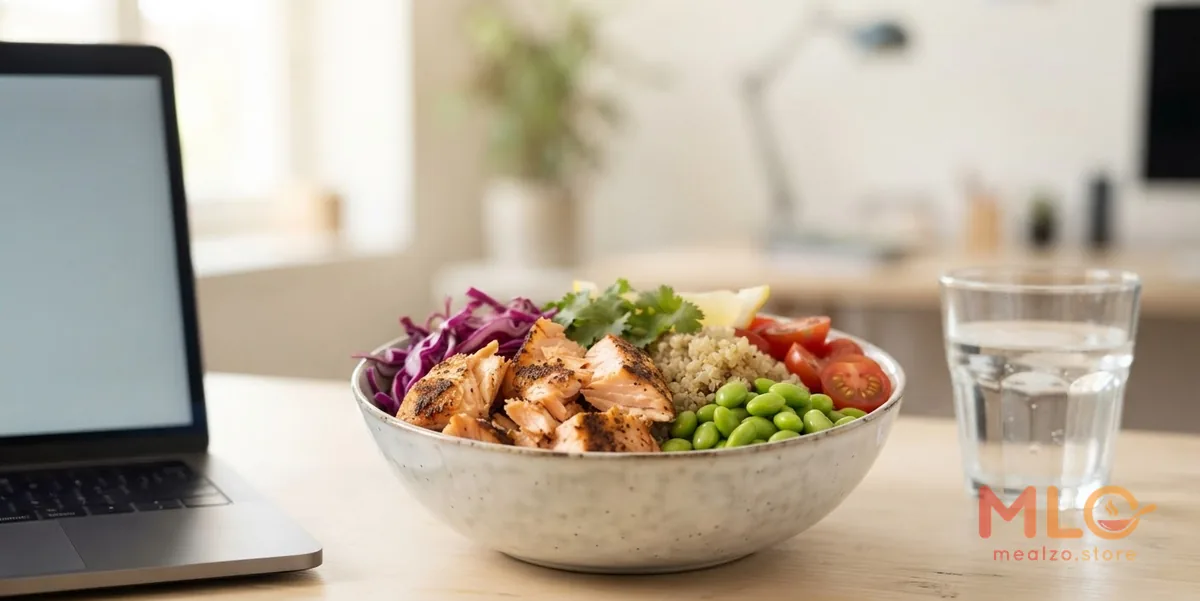
8. Storage: Make Sure the Meals Actually Fit
This sounds obvious until a multi-meal delivery arrives.
Condo refrigerators vary widely. A studio apartment may have a compact fridge with limited shelf height. Serviced apartments sometimes provide only a small under-counter unit. Office refrigerators may technically be large but already be packed with drinks, lunch boxes and leftovers.
Before committing to several meals per delivery, look at your available storage.
Check three things:
Shelf footprint. How many containers can sit flat or stack securely?
Shelf height. Can containers be stacked without crushing lids or tilting?
Other food. A fridge that appears empty before grocery day may be much more crowded after a weekend shop.
For a recurring meal plan, create a dedicated area rather than finding random space every day. Even one reserved shelf or half-shelf can make the routine easier.
9. Bangkok Heat Changes How You Should Think About Handover
Bangkok is hot for much of the year, and outdoor or semi-outdoor building areas can become warm quickly.
Prepared food should not be treated like a parcel that can sit unattended for hours.
Common sense is the right approach: when meals arrive, move them into appropriate storage reasonably promptly rather than leaving them on a sunny balcony, beside a warm window, inside a parked vehicle or on an outdoor delivery table while you spend the afternoon elsewhere.
This is why the receiving location matters.
A shaded indoor lobby where you collect the package shortly afterwards is very different from an outdoor security booth where food could remain exposed to heat.
If your building's designated courier point is outside, your schedule should reflect that. Arrange to be available around the delivery period, nominate someone to collect it or choose another permitted handover method.
The goal is not to obsess over every minute. It is to avoid obviously poor storage situations.
10. Reheating at Work: Microwaves, Queues and Containers
The office microwave becomes very popular at approximately the same time everyone becomes hungry.
If your office has 40 people and one microwave, lunch at exactly 12:00 can mean a queue.
A small schedule adjustment often fixes the problem. Heating your meal at 11:45 or 12:30 may be much easier than joining the peak rush.
Before heating any delivered meal, follow the packaging instructions provided with it and make sure the container is suitable for the reheating method you intend to use. If there is any doubt, transfer the food to appropriate kitchenware.
Also consider what you are reheating.
Strong-smelling dishes may be completely normal food but unpopular in a small enclosed office pantry. Shared-space etiquette matters.
If your workplace does not have suitable reheating facilities, that should influence the meals and delivery arrangement you choose rather than becoming a daily frustration.
11. Delivery Setup by Building Type
Different buildings need different receiving strategies.
| Building type | Where meals usually arrive | What to arrange in advance |
|---|---|---|
| Condo with reception | Lobby, reception desk or designated delivery shelf | Confirm whether staff accept food and what resident details the rider needs |
| Condo without reception | Entrance, security point or direct handover | Be reachable or arrange a reliable collection method |
| Serviced apartment | Reception or concierge area | Ask whether prepared food can be held and whether staff will notify your room |
| Office tower | Lobby courier desk, security desk or approved delivery entrance | Confirm visitor and courier rules, building name, tower and company details |
| Co-working space | Main reception or shared collection area | Check whether staff accept deliveries and label meals clearly |
The important point is consistency.
Once you find the method that works, keep using it rather than changing instructions every few days.
Key takeaway: The best delivery point is not necessarily your door; it is the permitted location where meals can be handed over reliably every time.
12. Storage and Reheating Problems Are Easier to Solve in Advance
Many meal-delivery frustrations are predictable.
| Situation | What to do | Why |
|---|---|---|
| No fridge at work | Arrange delivery closer to when you can eat or use another suitable storage option | Avoid relying on meals sitting unattended for long periods |
| Shared office fridge | Label and stack your meals in one designated area | Reduces mix-ups and avoids taking over communal space |
| Meals arrive before you | Arrange an approved handover point and collect them promptly | Prevents repeated calls and unnecessary waiting |
| Long meeting | Ask reception, security or a colleague to receive the delivery if permitted | The rider does not need to wait for your meeting to finish |
| Weekend delivery | Confirm someone can receive and store the meals at the chosen address | Weekend routines are often different from weekday routines |
| Travelling | Pause or adjust your plan according to the service's available options | Prevents unnecessary deliveries while you are away |
A few minutes spent designing the routine can remove dozens of interruptions later.
13. Weekday and Weekend Delivery May Need Different Addresses
Your Monday routine may not resemble your Saturday routine at all.
On weekdays, you may spend ten hours in an office tower. On weekends, you may be at your condo, another part of Bangkok or outside the city altogether.
Do not assume the same delivery setup is ideal seven days a week.
If a service permits scheduling or plan flexibility, think about where you will realistically be when meals arrive. An office address may be convenient Monday through Friday and useless on Sunday when reception is closed.
Similarly, weekend condo procedures can differ. Some management offices operate reduced hours, and staffing arrangements can change.
If you regularly divide your week between home and office, choose one delivery location as your default and understand exactly how any address changes are handled.
Frequent last-minute address switching creates more opportunities for mistakes than a stable routine.
14. Travel, Holidays and Pausing Deliveries
Bangkok residents often travel: a weekend in Hua Hin, a business trip to Singapore, a few days in Chiang Mai or a longer trip abroad.
Your meal plan should fit around that reality.
Before travelling, check your upcoming delivery schedule rather than remembering after you are already at the airport.
If your plan allows pauses or schedule adjustments, use them within the service's applicable rules. Do not rely on condo reception to keep multiple days of prepared meals because you forgot to make a change.
For regular travellers, it helps to link meal-plan administration with your calendar. When you add a flight or hotel booking, also check whether any scheduled meal deliveries are affected.
The same applies to Thai public holidays, office closures and work-from-home days. If your routine changes, delivery arrangements may need to change with it.
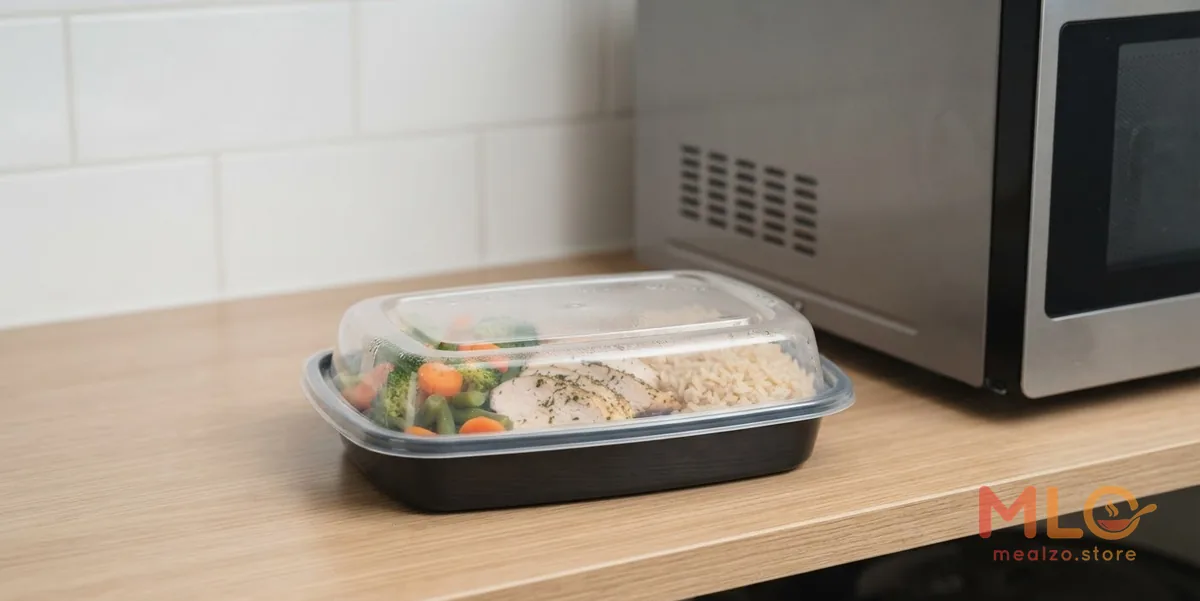
15. Making MEALZO Fit a Bangkok Condo or Office Routine
MEALZO is a Bangkok meal-plan delivery service offering chef-prepared, calorie-controlled meals through flexible meal-plan formats.
The practical benefit of a structured meal service is greatest when the receiving routine is equally structured.
Before starting, decide whether your primary delivery location should be your condo or your workplace. Confirm building access rules. Identify the exact handover point. Check refrigerator capacity. Think about when you normally eat and whether you have suitable reheating facilities.
Then keep the process repetitive.
A good setup could be as simple as:
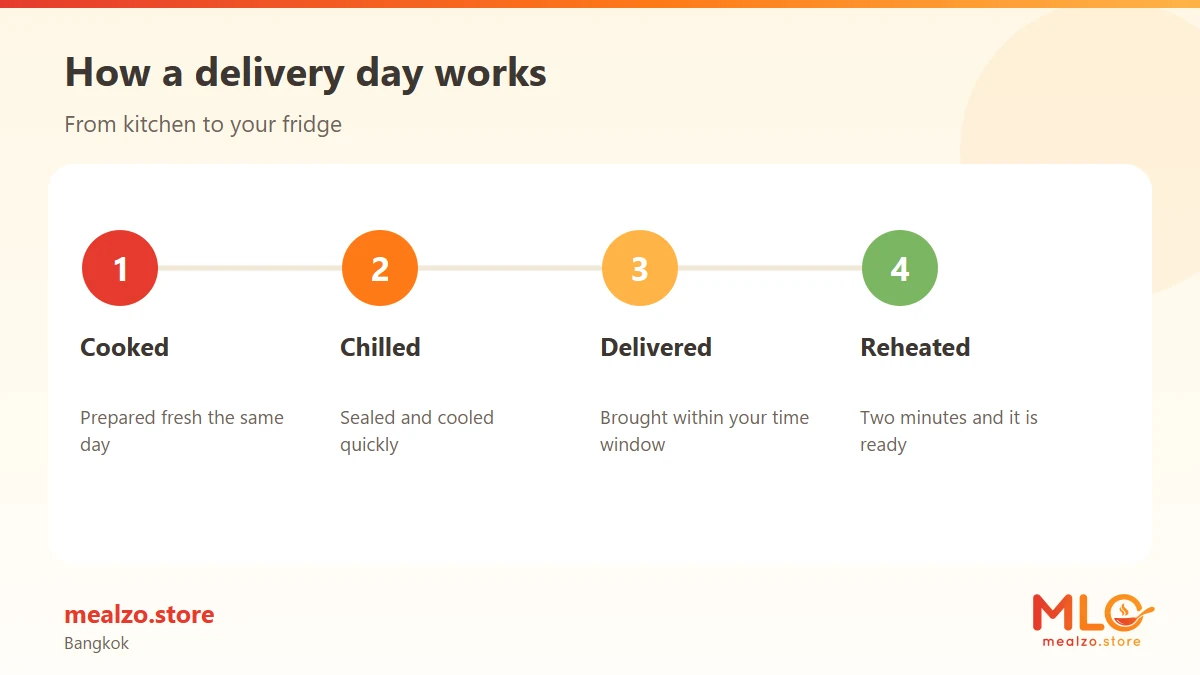
Meals arrive at the permitted lobby location → you receive the delivery notification → containers go directly into your designated fridge space → tomorrow's work meal goes with you in the morning.
For office delivery:
Meals arrive at the approved courier desk → reception or security accepts them according to building rules → you collect them and refrigerate them → lunch is ready when your schedule allows.
You can see Mealzo's meal plans to compare the available meal-plan options and choose a structure that fits your weekday routine.
MEALZO delivery is for Bangkok, so the most useful preparation is not elaborate. Make the destination clear, make access predictable and make sure the meals have somewhere appropriate to go after they arrive.
Key takeaway: The smoother the handover, storage and reheating routine becomes, the less attention your meal plan needs from you during a busy Bangkok workday.
16. Practical Setup Checklist Before Your First Delivery
Before your first recurring delivery, run through this setup once.
At a condo
- Confirm the exact building and tower name.
- Ask reception or the juristic office how food deliveries are handled.
- Find out whether riders can enter the lobby.
- Identify the approved handover location.
- Check whether staff can accept the order while you are away.
- Make sure your phone number and delivery details are correct.
- Clear enough refrigerator space for the number of meals you expect.
At an office
- Confirm the official building name and company name.
- Find out which entrance couriers should use.
- Check visitor registration or security requirements.
- Decide who can receive the delivery during meetings.
- Identify the nearest suitable refrigerator.
- Label meals if the fridge is shared.
- Check microwave availability and typical lunchtime queues.
For your weekly schedule
- Decide whether weekdays and weekends use the same address.
- Check upcoming travel before scheduled delivery days.
- Avoid unnecessary last-minute address changes.
- Keep delivery instructions short, specific and consistent.
- Review the setup if you move condo, change offices or your working hours change.
Once these details are settled, meal delivery stops feeling like another task on your calendar and starts operating as part of the background of your routine.
Frequently Asked Questions
Can a meal delivery rider come directly to my condo door in Bangkok?
Sometimes, but many Bangkok condos restrict access to residential floors. Riders may need to leave deliveries in the lobby, at reception, with security or at a designated delivery area. Check your building's policy rather than assuming door delivery is permitted.
What if my office building does not allow delivery riders upstairs?
Use the building's approved courier or lobby handover point. Include the building name, tower, company and any relevant receiving instructions so the rider does not need to work out the security procedure after arriving.
What should I do if a meal delivery arrives while I am in a meeting?
Arrange a backup receiving method in advance. Depending on building policy, reception, security, an approved delivery desk or a colleague may be able to accept it so the rider does not need to wait for you.
How much fridge space do I need for delivered meals?
That depends on how many meals arrive at once and the size of the containers. Before starting a multi-meal plan, clear a dedicated shelf or section and check that containers can be stacked securely without overcrowding the fridge.
Is office delivery better than condo delivery?
It depends on where you spend most of the delivery window and how easy each building is to access. Office delivery can be convenient for weekday lunches, while condo delivery may be easier if reception accepts packages reliably and you have more refrigerator space at home.
What should I do with deliveries when I travel?
Check your meal schedule as soon as travel is confirmed. Where the service allows it, pause or adjust deliveries according to the applicable plan rules rather than allowing meals to arrive while you are away.
Know someone who'd like Mealzo?
If you know someone in Bangkok who might enjoy Mealzo Bangkok, you can share it with them through our referral programme.