Thai Drinks in Bangkok: Cha Yen, Iced Coffee, Fruit Shakes and How to Fit Them Into a Balanced Day
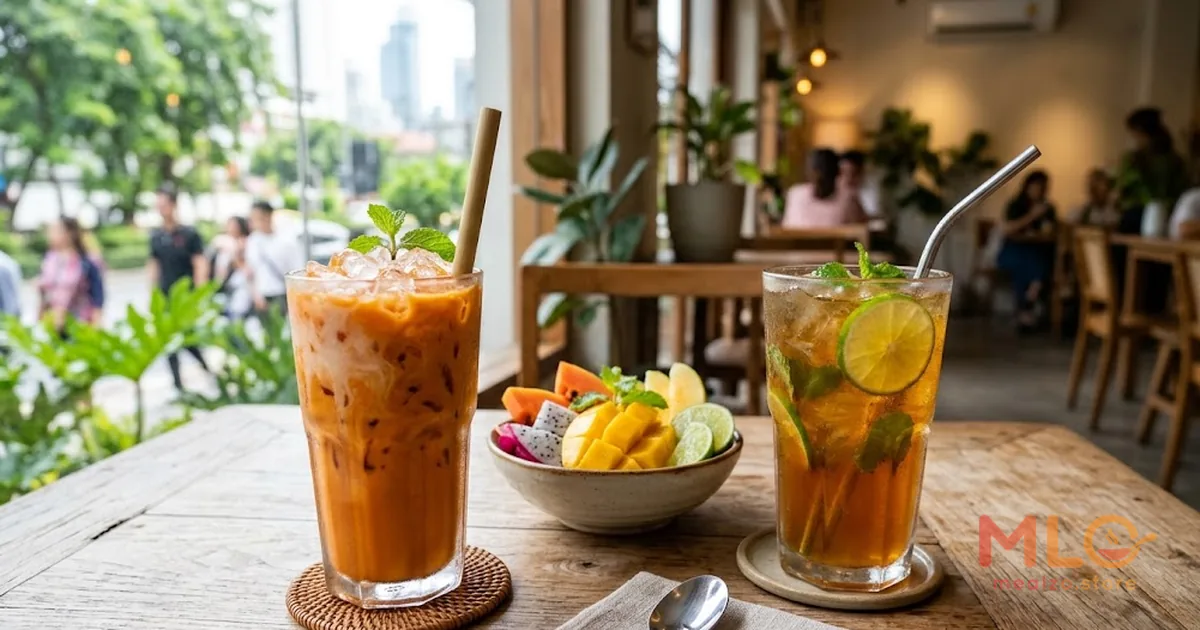
In Bangkok, buying a drink is almost automatic. You pick up cha yen on the way to work, order an iced coffee after lunch, then stop for a fruit shake while walking through a market. Each purchase feels small. By evening, though, those cups may have added more sugar to your day than you realise.
Thai drinks are part of everyday life, not just something tourists try. Strong tea, condensed milk, fresh lime, tropical fruit and plenty of ice make them particularly appealing in Bangkok's heat. The difficulty is that sweetness often comes from ingredients you cannot see once everything is mixed.
You do not need to stop drinking Thai milk tea or avoid every sweet drink. What helps is understanding what goes into the cup, knowing which changes are worth asking for and making room for a favourite drink alongside ordinary meals.
This guide looks at the drinks people buy around Bangkok, from cha yen and oliang to coconut water and bottled green tea. It also explains how planned meals, including those prepared by Mealzo Bangkok, can make daily food choices easier to manage without treating every drink as a problem.
1. Why Drinks Matter More Than You Think in Bangkok
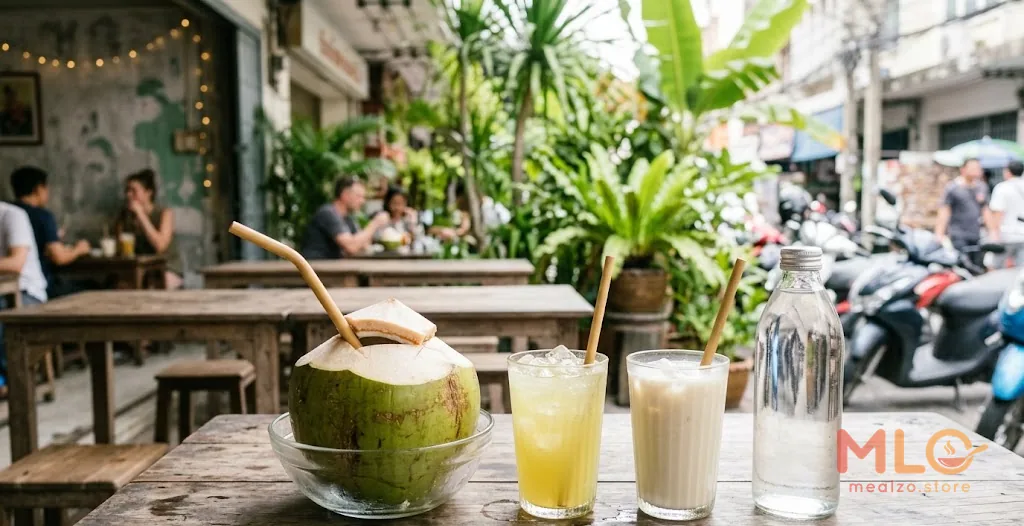
Bangkok makes drinking something cold feel like a necessity. A short walk between buildings can leave you hot, and an iced drink offers immediate relief. Street carts, small cafes, food courts and market stalls make buying one easy.
The issue is rarely a single cup. It is how drinks accumulate during an otherwise ordinary day.
Consider someone who starts the morning with Thai iced coffee, has cha yen alongside lunch and buys a mango shake in the afternoon. None of those purchases necessarily feels like dessert. Yet depending on preparation, all three may contain substantial amounts of sugar.
Liquid sweetness is easy to overlook because it does not feel like eating. A sweet drink may accompany a full meal without replacing anything on the plate. It may also become a habit between meals, when the person buying it is not particularly hungry.
There are three things worth noticing:
- Frequency: Is this your only sweet drink today, or the third?
- Preparation: Is the sweetness coming from added sugar, syrup, sweetened milk or naturally sweet ingredients?
- Timing: Are you drinking it with food, between meals or simply because you want something cold?
A drink does not need to be forbidden to deserve attention. Sometimes changing one regular order makes more practical sense than trying to redesign everything you eat.
Key takeaway: The biggest difference often comes from noticing how many sweet drinks you buy, not from eliminating one particular Thai drink.
2. The Bangkok Drink Menu: What Is Actually in the Cup?
The Thai drinks Bangkok residents buy every day vary considerably in preparation. Two cups that look almost identical may contain different amounts of milk, syrup or sugar.
Understanding the basic ingredients gives you a starting point before asking for changes.
| Common Bangkok drink | What it is mostly made of | Main sugar or caffeine source | Practical adjustment |
|---|---|---|---|
| Cha yen, Thai milk tea | Strong black tea, sugar, condensed milk, evaporated milk and ice | Sugar, condensed milk and tea caffeine | Ask for less sweetness |
| Oliang | Strong Thai-style black iced coffee, often sweetened | Added sugar and coffee caffeine | Ask for less sugar |
| Kafae yen, Thai iced coffee | Coffee, sweetened milk or sugar, and ice | Milk sweetener, sugar and caffeine | Request less condensed milk |
| Cha manao | Tea with lime and ice | Added sugar and tea caffeine | Ask for less sugar |
| Nam manao | Lime juice, water, ice and commonly sugar | Added sugar | Order with little or no sugar |
| Nam pan, fruit shake | Blended fruit and ice, often with syrup and sometimes salt | Fruit sugars and added syrup | Ask for no added syrup |
| Nam oi | Fresh sugarcane juice | Naturally occurring sugarcane sugars | Choose a smaller serving |
| Nam maprao | Coconut water | Naturally occurring sugars, sometimes added sugar | Choose plain, unsweetened coconut water |
| Nam tao hu | Soy milk, served hot or cold | Added sugar when sweetened | Ask for unsweetened soy milk |
| Bottled green tea | Brewed tea drink, sometimes sweetened | Added sugar and possibly caffeine | Read the label |
| Nam plao | Plain drinking water | No sugar or caffeine | Choose plain water when you just need a drink |
These descriptions are starting points, not fixed recipes. One vendor may use a generous amount of condensed milk, while another relies more heavily on sugar syrup. Some prepare drinks individually; others use mixtures prepared earlier.
Even ordering the same drink from two stalls can produce noticeably different sweetness.
This is why learning a few ordering phrases can be more useful than memorising a list of supposedly good and bad drinks.
3. Where the Sugar Hides: Tea, Syrup and Sweet Milk
One reason drinks can contribute so much sugar is that the most recognisable ingredient is not always the main source of sweetness.
In cha yen, the strong tea provides flavour and caffeine. Much of the sweetness comes from added sugar and sweetened condensed milk. Evaporated milk adds creaminess but should not be confused with condensed milk, which is heavily sweetened.
In fruit shakes, the mango, watermelon or pineapple is the ingredient you notice. However, some vendors add syrup before blending. The finished shake may therefore contain both the fruit's natural sugars and added sugar.
Fresh sugarcane juice is different. It can taste extremely sweet without anyone adding table sugar because sugar is naturally present in the cane itself.
That distinction matters. Not every sweet drink contains added sugar, but drinks made from naturally sweet ingredients still contribute sugar to the day.
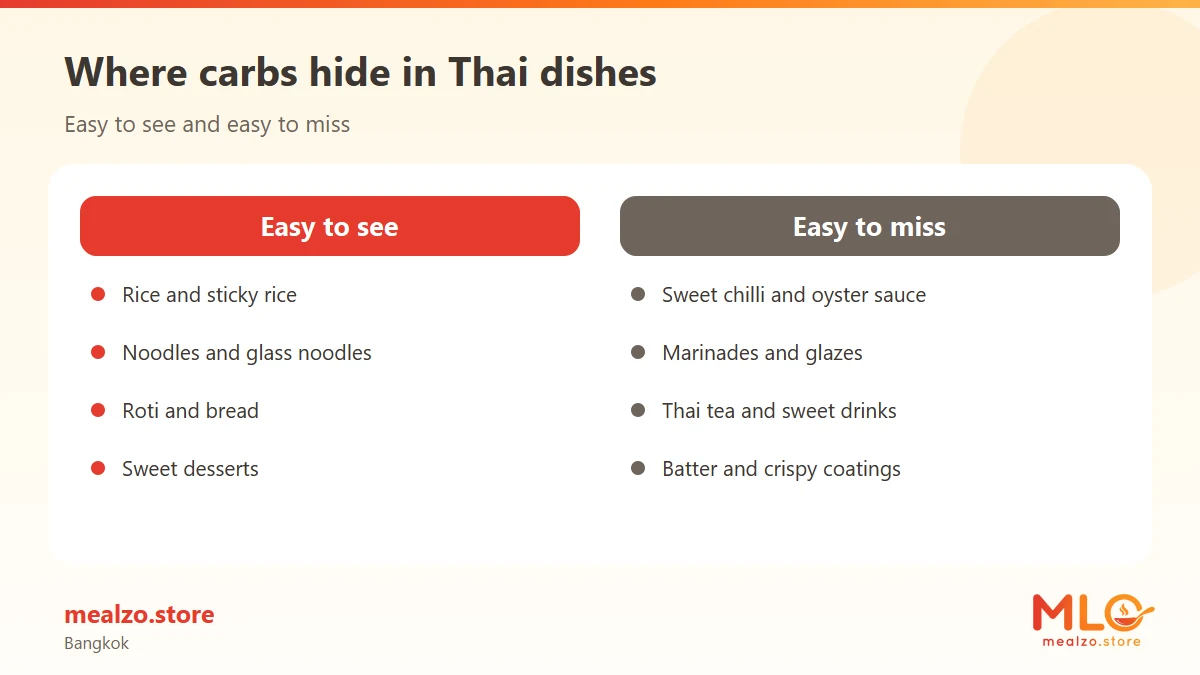
When you are choosing a drink, look beyond its name:
- A tea drink may be sweetened with sugar, syrup or condensed milk.
- A fruit shake may contain additional syrup even when the fruit is fresh.
- A bottled drink marked with fruit imagery may contain added sweeteners.
- Coconut water can be naturally sweet without added sugar.
- Soy milk may be sold plain or already sweetened.
Salt is another easily missed ingredient. Small amounts sometimes appear in fruit shakes to change how the flavours taste. For a closer look at sodium across everyday Bangkok meals, read how salt and sodium appear in Thai food.
Key takeaway: Fresh ingredients do not automatically mean an unsweetened drink. Ask what the vendor adds after the tea is brewed or the fruit is cut.
4. Cha Yen, Oliang and Kafae Yen: The Milk and Coffee Question
Cha yen is built around contrast. Strong tea gives it a distinct flavour, while condensed milk, evaporated milk and ice turn it into a creamy, sweet drink.
That rich taste is part of the appeal. Ordering it with less sugar may help, but it is worth asking whether the vendor can also reduce the condensed milk.
Simply requesting less sugar does not always remove sweetness already present in the milk mixture.
Oliang and kafae yen deserve separate attention.
Oliang is typically a dark, Thai-style iced coffee that may be sweetened without the creamy milk character of kafae yen. Kafae yen often includes sweetened milk or other sweeteners, producing a richer finish.
Neither name tells you exactly how much sugar is present.
If you like the taste of Thai coffee, try changing one ingredient rather than ordering something completely different. Less sugar in oliang, or less condensed milk in kafae yen, may preserve much of what you enjoy.
You can also consider the cup size. A smaller sweet coffee can be a satisfying choice when you want its distinctive flavour rather than a large drink to sip throughout the morning.
The aim is not to make every traditional drink taste like plain coffee. It is to recognise which ingredients create sweetness and decide how much you actually want.
5. Fruit Shakes, Sugarcane Juice and the Syrup Question
Bangkok's fruit shakes are especially attractive when the weather is hot. Watermelon, mango, pineapple and other fruits are blended with ice into drinks that feel fresh and substantial.
The fruit matters, but so does everything added to it.
A vendor might blend fruit with plain ice, or add syrup to make the result sweeter and more consistent. Sometimes a little salt is included to sharpen the taste.
That means a fruit shake is not automatically equivalent to eating the same fruit whole.
Blending changes how the fruit is consumed, and added syrup changes what the drink contains. A large shake can also be easy to finish quickly, particularly when served alongside a meal.
At the cart, a useful question is whether the shake can be prepared without syrup. If the fruit is already ripe and sweet, you may find that nothing extra is needed.
Sugarcane juice, or nam oi, presents a different trade-off. Freshly pressed sugarcane juice does not need added sugar to taste sweet. Asking for no syrup will not remove the sugars already present in the juice.
For sugarcane juice, serving size is therefore a more meaningful adjustment.
Coconut water is another naturally sweet option. Plain coconut water is different from packaged coconut drinks containing added sugar or flavouring. Read the ingredients rather than assuming every coconut-based drink is identical.
There is room for all these choices. A fresh mango shake can be something you genuinely enjoy. It simply deserves to be treated as part of what you consume that day, rather than as unlimited flavoured water.
6. Caffeine and Timing: When Iced Coffee Becomes a Habit
Sweetness is only one part of the picture. Cha yen, oliang, kafae yen and many tea drinks also contain caffeine.
In Bangkok, the cold temperature of a drink can disguise the fact that it is a fairly strong tea or coffee.
Someone who starts the morning with coffee, orders cha yen after lunch and buys bottled green tea later may consume caffeine from several sources without consciously choosing to.
Caffeine content varies with the preparation, strength and serving size. The name of a drink alone is not enough to determine exactly how much it contains.
Timing is worth considering as well.
If coffee late in the day tends to interfere with your sleep, choosing a non-caffeinated drink in the evening may make more sense than ordering another iced coffee out of habit.
A lime drink without tea, plain water or unsweetened coconut water may offer a different choice, although sweetness still needs consideration.
You do not need to avoid caffeine completely to make a thoughtful decision. Simply distinguish between wanting coffee, wanting something cold and wanting something sweet. Those are not always the same thing.
7. Water First: Drinking in Bangkok's Heat
Cold drinks are part of Bangkok life, but not every cold drink needs to be sweet.
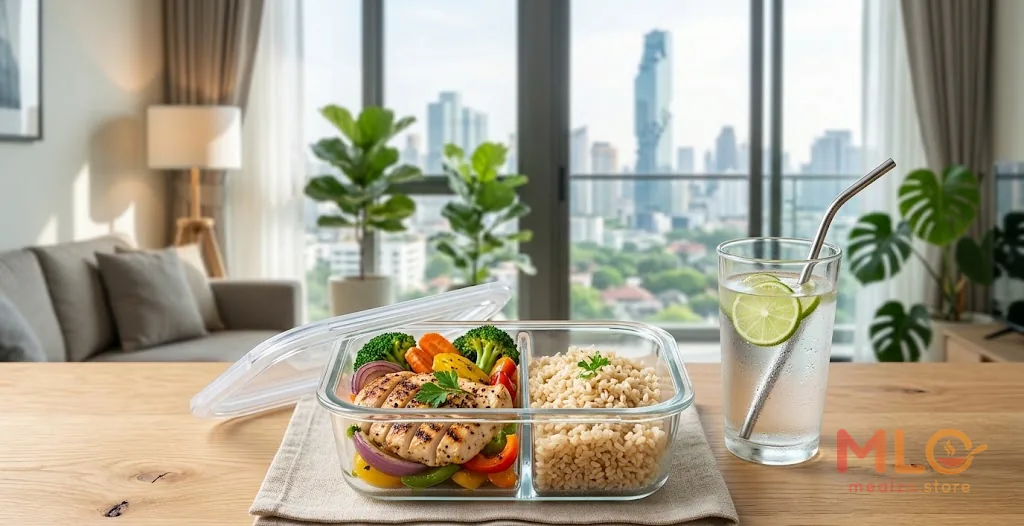
Plain drinking water, or nam plao, is available almost everywhere. It may seem less interesting than Thai milk tea, but it serves a different purpose.
A simple habit is to drink water when you are thirsty, then decide whether you also want a flavoured drink.
Sweet tea, juice and coffee-based beverages still contain fluid. They are not somehow excluded from fluid intake because they contain sugar. The issue is that they also bring other ingredients into the day.
Water offers fluid without the additional sugar, milk or caffeine.
For someone who spends much of the day moving between air-conditioned offices, food courts and hot outdoor streets, keeping plain water available can also reduce the habit of purchasing a sweet drink at every stop.
There is no need to turn this into a rigid drinking schedule.
A few everyday choices are enough:
- Keep plain water accessible during errands or travel.
- Order water alongside a meal when you already plan to have a sweet drink later.
- Avoid treating a large sweet tea as your only option when thirsty.
- Choose bottled water when you are uncertain about the preparation or cleanliness of a drink.
Ice deserves attention too. It makes drinks appealing in the heat, but cleanliness and handling still matter. Buy from vendors whose preparation and ice handling you trust. Ice does not remove the sugar or caffeine in a drink.
Key takeaway: Water can be the everyday default, while sweet tea, coffee and fruit shakes remain deliberate choices for their flavour.
Anyone with diabetes, high blood pressure, an eating disorder or another medical condition affecting diet should follow their own doctor's guidance.
8. Bottled Green Tea, Coconut Water and Soy Milk: Read the Label
Street carts allow you to ask questions. Bottled drinks require a different approach because the recipe has already been decided.
Bottled green tea is a good example. The words "green tea" describe an ingredient, not necessarily the finished drink's sugar content.
Some products are unsweetened, while others contain substantial added sugar. Different varieties from the same product line can have different formulations.
Check the nutrition label for sugar per serving and the number of servings in the container. A bottle labelled with more than one serving can be misleading if you routinely drink the whole thing.
The ingredients list provides another useful clue. Sugar, syrup and other sweetening ingredients may appear even when the front of the bottle emphasises tea, fruit or natural flavours.
Soy milk also varies.
Plain, unsweetened nam tao hu is different from soy milk prepared with added sugar. Traditional hot soy milk can be sweetened when served, while packaged versions may already contain sugar.
Coconut water deserves the same attention. Choose a product based on what is actually inside, not simply the coconut pictured on the packaging.
For people who frequently buy drinks at convenience stores, reading the label once can make repeated purchases easier. After you find an option you enjoy, you no longer need to assess every bottle from the beginning.
9. How to Order Less Sweet at a Bangkok Street Cart
One of the most useful things about buying drinks in Bangkok is that many vendors can adjust them before serving.
You do not need a complicated conversation. A few Thai phrases can make the order clearer.
| Ordering phrase | Meaning | What may change | When it suits |
|---|---|---|---|
| Wan noi (หวานน้อย) | Less sweet | Vendor reduces some added sweetener | When you want the familiar drink, just less sweet |
| Mai wan (ไม่หวาน) | Not sweet | Requests an unsweetened preparation | When you prefer little or no sweetness |
| Mai sai nam tan (ไม่ใส่น้ำตาล) | Do not add sugar | No added table sugar, if preparation allows | Lime drinks, tea or coffee |
| Mai sai nam chueam (ไม่ใส่น้ำเชื่อม) | No syrup | Syrup is omitted | Fruit shakes and lime drinks |
| Mai sai nom khon wan (ไม่ใส่นมข้นหวาน) | No sweetened condensed milk | Condensed milk is omitted | Thai tea or coffee when prepared to order |
The distinction between these requests matters.
Wan noi does not mean sugar-free. It usually means less sweet than the vendor's standard recipe.
Mai sai nam tan asks for no added sugar, but it does not necessarily eliminate sweetness from condensed milk, premixed ingredients or naturally sweet fruit.
A drink made from a prepared mixture may not be adjustable at all. In that case, choosing another drink or a smaller serving may be more practical.
You can also ask for less syrup in a shake without removing the fruit that gives it flavour.
Start with an order you already like and change one thing. If you immediately demand every sweetener be removed, the drink may taste nothing like what you originally wanted.
10. Building a Balanced Day Around One Sweet Drink
A balanced day does not have to mean every drink is plain water. It means considering drinks alongside meals instead of treating them as separate from food.
Imagine you know you want cha yen with lunch.
Rather than buying sweet drinks automatically throughout the morning, you might choose water with breakfast, enjoy the cha yen at lunch and return to water in the afternoon.
That keeps your preferred drink in the day without adding several more sweetened cups by habit.
The same thinking applies to meals.
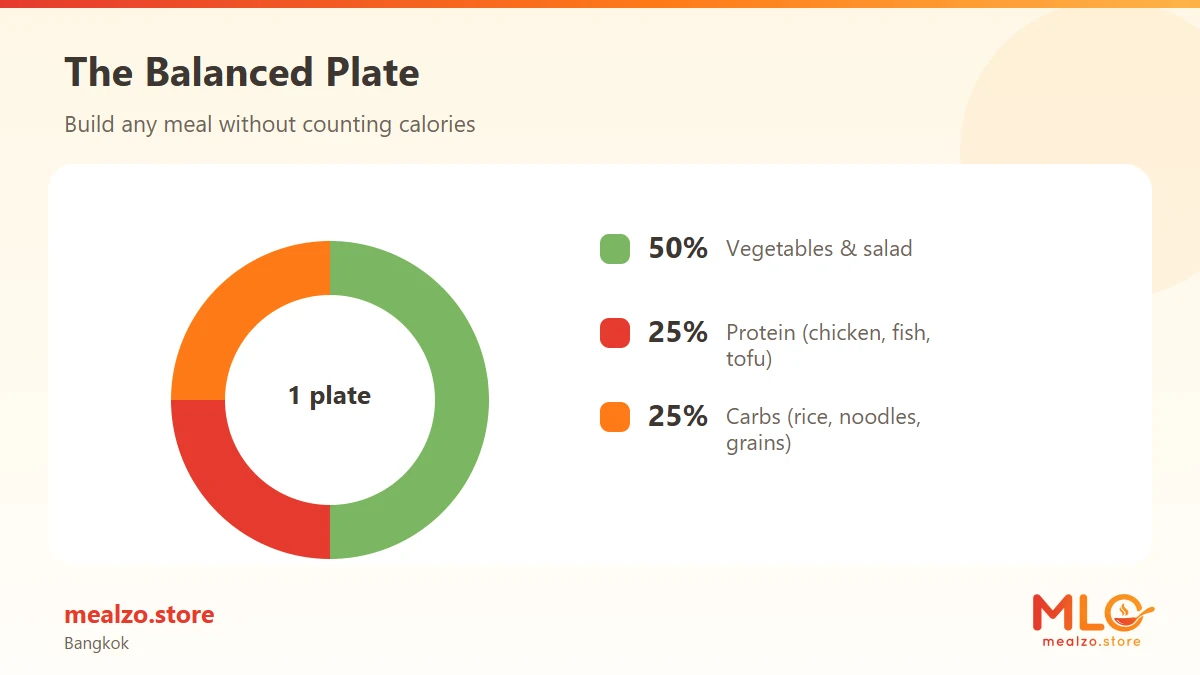
Suppose lunch is chicken rice, or khao man gai, with sauce and a sweet iced tea. The rice, chicken, sauce and drink each contribute something different. It helps to look at the combination rather than focus only on the tea.
Our guide to Chinese-Thai dishes including chicken rice and roast duck explains how preparation and sauces affect familiar meals.
Similarly, rice is an everyday part of Bangkok dining, and the quantity on the plate matters independently of what you drink. For more detail, see jasmine, sticky and brown rice portions in Bangkok.
Here is one flexible example of a day that includes a sweet drink:
- Breakfast: A regular breakfast with plain water or unsweetened tea.
- Lunch: A satisfying main meal and a serving of cha yen, if that is the drink you want.
- Afternoon: Plain water instead of purchasing another sweet drink automatically.
- Dinner: A meal with vegetables and a protein source, with water or an unsweetened drink.
This is an illustration, not a prescribed menu or a promise about calorie intake. Your food needs, portions and preferences may differ.
The approach can also work with Thai soups. A clear soup and a sweet drink have different ingredients from a creamy soup paired with the same drink. The guide to tom yum, tom kha and clear soups in Bangkok looks more closely at those distinctions.
The goal is awareness, not compensation. Skipping a meal simply to justify a large sweet drink is not necessary. Neither is pretending that the drink adds nothing to your daily intake.
Key takeaway: A planned day can include a favourite sweet drink when you account for it alongside meals rather than treating it as an invisible extra.
11. Small Changes That Work at the Cart and With a Meal Plan
The most useful adjustments are often the ones you can repeat without much effort.
Ask for wan noi in your regular iced coffee. Choose a smaller sugarcane juice. Request no syrup in a fruit shake. Check whether the soy milk is sweetened before ordering.
You can still enjoy the character of Bangkok's drinks without relying on their sweetest versions every time.
The same principle applies when food is already organised for the day.
Mealzo Bangkok prepares fresh meals daily in its kitchen in Bang Na, Bangkok, and delivers across Bangkok. The idea behind a meal plan is to make the food side of the day more predictable, even when drinks are purchased separately from street stalls or cafes.
There are 12 meal plans: Balanced, Weight Loss, High Protein, Vegetarian, Vegan, Keto, Low-Carb, Gluten Free, Easy-to-Digest, Pescatarian, No Fish & Seafood, and Dairy & Egg Free.
Every plan combines Thai and international dishes within one mixed cuisine. Customers can choose from six daily calorie levels ranging from 1200 to 2500 kcal, with three or five meals per day and packages lasting 3, 7, 14 or 30 days.
The app also includes a calorie calculator using the Mifflin-St Jeor formula. Its result is an estimate, not medical advice.
Food preferences and restrictions are handled separately. Customers declare allergens from nine allergen groups, and dishes containing a declared allergen are not assigned to them. This describes the dish-assignment process, not a guarantee that a meal is allergen-free.
Customers select one of two delivery windows, morning 06:00-09:00 or evening 17:00-20:00. The website and app are available in Thai, English, Polish, German, French, Russian, Simplified Chinese and Burmese.
You can explore the available Mealzo Bangkok meal plans to see how that structure might fit your routine.
A meal plan does not automatically account for the cha yen, coffee or shake you purchase outside it. Those drinks remain your own choices. But knowing what meals are planned makes it easier to see where an extra sweet drink belongs.
This can be particularly helpful if your working day includes unpredictable errands, meetings or time spent travelling around Bangkok.
The principle also extends to street snacks. A skewer of satay, a sausage or a fried fish cake alongside a sweet drink can form a more substantial eating occasion than it first appears. See how Bangkok street snacks fit into an ordinary day for a closer look.
There is no need to make every choice perfect. Choose the drinks you genuinely enjoy, adjust sweetness where it makes sense and pay attention to how frequently they appear.
A familiar drink prepared slightly differently is often easier to maintain than a strict rule you abandon after a few days.
FAQ
1. Is cha yen always high in sugar?
Traditional cha yen is usually prepared with added sugar and sweetened condensed milk, which can make it very sweet. The amount varies between vendors and serving sizes. Asking for wan noi or less condensed milk may reduce the sweetness, but it does not necessarily make the drink sugar-free.
2. Is a fresh fruit shake better than bottled sweet tea?
They are different drinks, and the preparation matters more than the category. A fruit shake contains fruit but may also include added syrup. Bottled sweet tea may contain added sugar and caffeine. Ask how the shake is made and read the bottled tea label before comparing them.
3. Can I order Thai iced coffee without condensed milk?
Often, yes, particularly when the drink is made individually at the cart. Ask for mai sai nom khon wan, meaning no sweetened condensed milk. Some vendors use prepared mixtures, so the request may not always be possible. You can also ask for less sugar or choose a different coffee preparation.
4. Is coconut water a good replacement for sweet drinks?
Plain coconut water can be an alternative when you want something naturally flavoured without added syrup. However, coconut water contains naturally occurring sugars, and packaged versions may contain added sweeteners. It is not the same as plain water, so check the label and consider the serving size.
5. Can I drink cha yen or a fruit shake while following a Mealzo Bangkok meal plan?
Yes, you can include drinks purchased separately in your day, but they are not automatically part of the meals supplied by Mealzo Bangkok. A sweet drink contributes additional sugar and potentially energy, depending on its ingredients and size. Consider it alongside your planned meals and other drinks rather than treating it as something that does not count.
Mealzo Bangkok is a kitchen and meal delivery service operating exclusively in Bangkok, Thailand. We are not affiliated with similarly named services outside Thailand.
Find a Meal Plan That Fits
Compare Mealzo plans or use the calculator to explore meal options for your needs.