Animal vs Plant Protein: Quality, Variety and Meal Planning
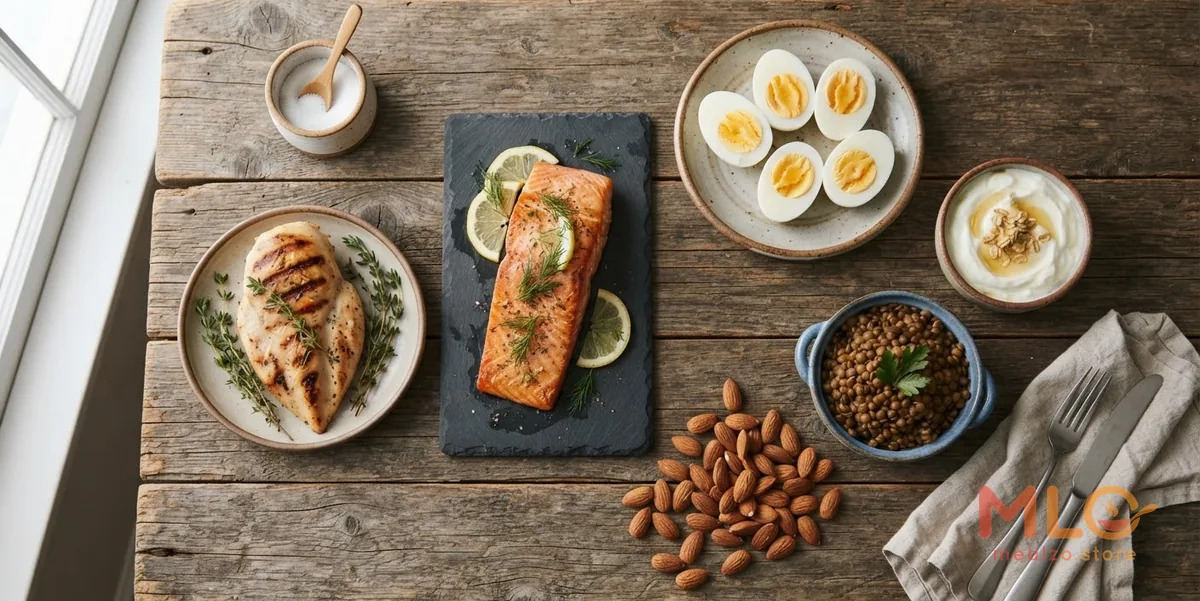
The animal vs plant protein question is often framed as a competition, but everyday meal planning is rarely that simple. Both can provide useful protein, both can fit a balanced diet, and both come with practical advantages and limitations.
For people in Bangkok, the more useful question is usually not which category is universally better. It is which protein sources fit your appetite, food preferences, schedule, calorie needs and the meals you can realistically keep eating.
Animal proteins tend to provide a concentrated protein source with a complete amino acid profile in a relatively small serving. Plant foods can also contribute substantially, especially when meals include varied legumes, soy foods, grains, nuts, seeds and vegetables rather than relying on one ingredient.
Good planning does not require choosing a side. It requires understanding what each type of protein brings to the plate and building meals that work as complete meals rather than isolated nutrition calculations.
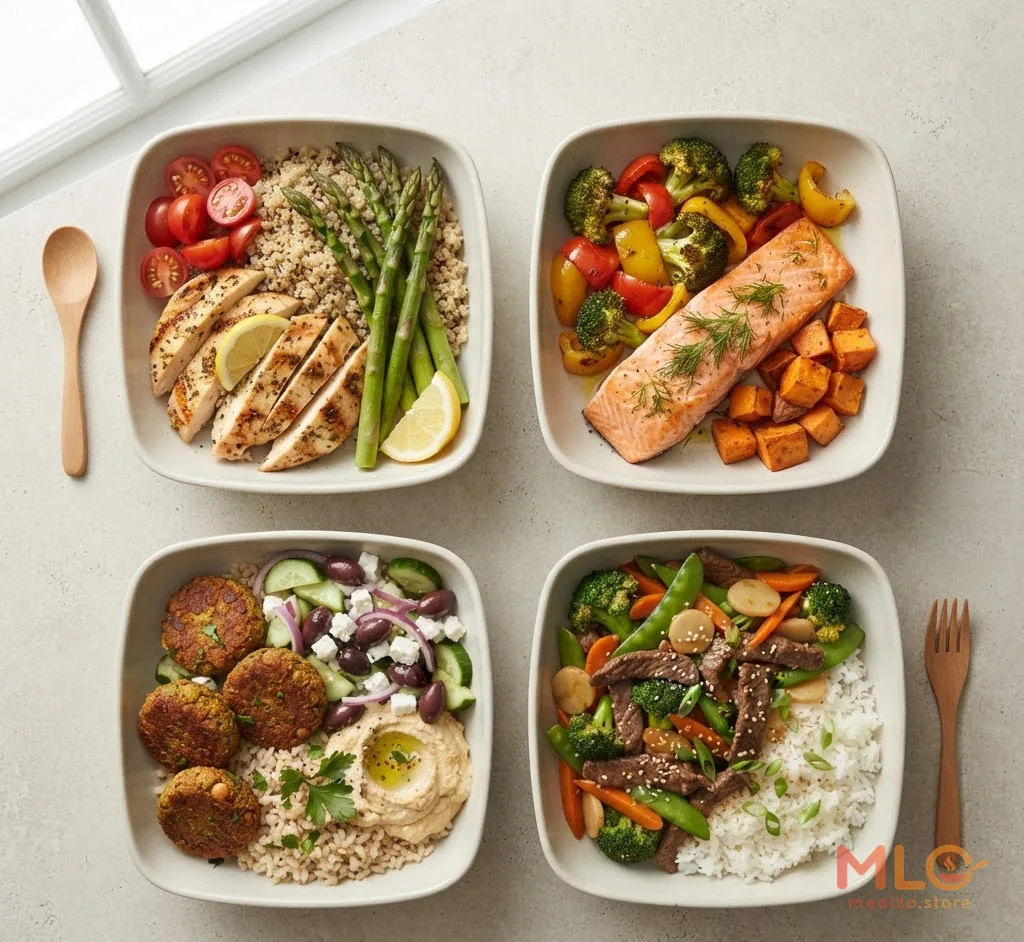
1. What is the main difference between animal and plant protein?
The main difference is that animal and plant protein sources differ in their amino acid profiles, concentration, digestibility and the other nutrients that come packaged with them.
Protein is made from amino acids. Some amino acids must come from food because the body cannot make enough of them on its own. Many common animal foods contain all essential amino acids in proportions that make them straightforward protein sources.
Plant proteins vary more. Soy foods are relatively complete, while beans, lentils, grains, nuts and seeds each have different amino acid profiles. That does not make them poor foods. It simply means variety matters more when a large share of your protein comes from plants.
The rest of the food also matters. Chicken breast, tofu, lentils, eggs and peanuts may all contribute protein, but they bring very different amounts of fat, carbohydrate, fibre and total energy.
| Protein source | Typical nutritional role |
|---|---|
| Chicken, fish, eggs, dairy | Concentrated protein with a complete amino acid profile |
| Tofu, tempeh, soy foods | Plant protein that can serve as the main protein in a meal |
| Beans, lentils, chickpeas | Protein plus carbohydrate and fibre |
| Nuts and seeds | Protein combined with substantial fat and energy |
| Rice, oats and other grains | Mainly carbohydrate, with smaller amounts of protein |
| Vegetables | Usually a minor protein contribution within the whole meal |
This is why comparing foods only by whether they are "animal" or "plant" can hide more useful differences.
Key takeaway: Protein quality matters, but total intake, meal composition and food variety usually matter more than choosing one protein category exclusively.
2. Is animal protein higher quality?
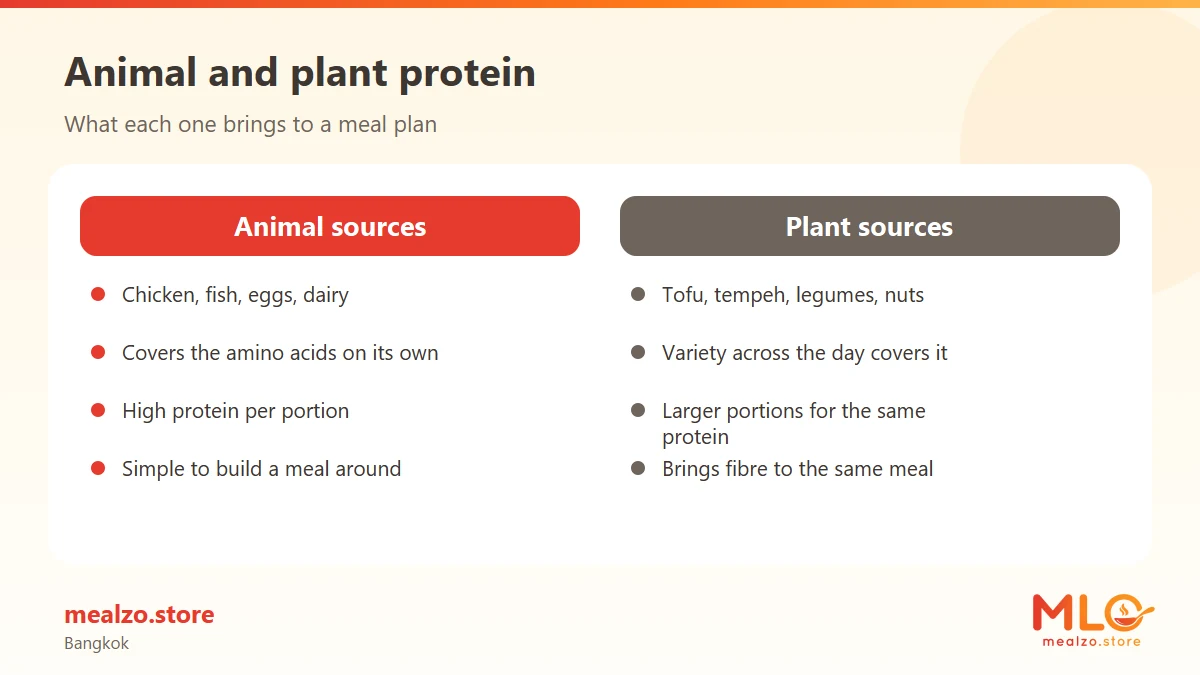
Animal protein is generally easier to use as a concentrated source of all essential amino acids, but "higher quality" does not mean everyone needs to build every meal around animal foods.
Meat, fish, eggs and dairy usually contain essential amino acids in useful proportions. They can therefore make protein planning relatively straightforward, particularly when someone wants a substantial amount of protein without adding a large volume of food.
That convenience can matter when appetite is limited or when calorie intake is constrained. A portion of lean meat or fish can contribute considerable protein without bringing the amount of carbohydrate that would accompany the same protein contribution from many legumes.
However, animal foods are not nutritionally interchangeable. A lean fish fillet and a fatty processed meat product may both provide protein, but their overall meal roles are very different.
Protein quality is therefore one criterion rather than a complete ranking system.
3. Can plant protein provide enough essential amino acids?
Plant protein can provide all essential amino acids when the diet contains enough protein overall and a reasonable variety of plant foods.
Older discussions sometimes made plant-based eating sound as though beans and grains had to be carefully paired in the same mouthful. That level of precision is unnecessary for most normal meal planning. The practical goal is simply to eat varied protein-containing foods across the day.
Useful plant protein sources include:
- tofu, tempeh and other soy foods
- lentils, chickpeas and beans
- peas and other legumes
- nuts and seeds
- whole grains
- combinations of legumes and grains
Rice with beans is a familiar example because the amino acid strengths of the two foods complement each other. Similar logic applies to lentils with rice, hummus with bread, or tofu served with grains and vegetables.
Plant-based meals may need a little more deliberate construction because some ingredients that contain protein are still primarily sources of carbohydrate or fat. A spoonful of nuts, for example, should not automatically be treated as equivalent to a large serving of tofu.
For structured meat-free eating, vegetarian meal planning options for Bangkok can help show how complete meals can be organised without assuming every person eats in exactly the same way. People avoiding all animal products can also explore fully plant-based vegan meal plans.
4. Does digestibility change the animal vs plant protein comparison?
Digestibility changes how efficiently the body can access amino acids from food, but it does not make plant protein ineffective.
Animal proteins are generally highly digestible. Some plant foods contain fibre and other compounds that can reduce protein digestibility to varying degrees. Processing and cooking can also change how accessible plant protein becomes.
This is one reason tofu and tempeh can be convenient plant protein choices. They provide a more concentrated protein component than a meal that relies only on vegetables and small portions of grains.
Still, the practical effect should be kept in perspective. Someone eating enough food and a varied diet does not need to calculate the digestibility of every ingredient.
The bigger mistakes are often simpler:
- having meals with almost no meaningful protein source
- counting tiny amounts from vegetables as the main protein
- relying on nuts alone when a more concentrated source is needed
- assuming every "plant-based" dish is automatically protein-rich
- eating most daily protein in one meal while the others contain very little
A meal structure that repeatedly includes a clear protein component is usually easier to manage than trying to optimise individual amino acid scores.
Key takeaway: Plant protein does not need to imitate animal protein exactly; it needs to be eaten in sufficient amounts within a varied diet.
5. Which protein source is easier for calorie control?
Neither animal nor plant protein is automatically better for calorie control because the total meal depends on how the protein is prepared and what comes with it.
A lean chicken breast may provide protein with relatively little added fat. Fried chicken with a rich sauce is a different meal. Tofu can be moderate in energy when lightly cooked, but deep-fried tofu can become much more calorie-dense.
Plant protein sources also vary substantially. Beans and lentils bring protein together with carbohydrate and fibre. Nuts and seeds provide useful nutrients but are relatively energy-dense because they contain substantial fat.
This makes food category labels less useful than looking at the whole plate.
| Food choice | Protein role | Other major meal contribution |
|---|---|---|
| Lean chicken or fish | Main protein | Usually limited carbohydrate |
| Eggs | Main or supporting protein | Fat varies with preparation and quantity |
| Tofu or tempeh | Main plant protein | Some fat and, depending on food, carbohydrate |
| Lentils or beans | Main or supporting protein | Carbohydrate and fibre |
| Nuts and seeds | Supporting protein | Significant fat and energy |
| Rice or noodles | Supporting protein only | Mainly carbohydrate |
People using a planned calorie intake should therefore think about protein inside the total daily energy budget rather than treating protein foods as "free."
Mealzo offers six daily calorie levels: 1200, 1500, 1800, 2000, 2200 and 2500 kcal. Its in-app calorie calculator uses the Mifflin-St Jeor equation as an estimate, not as medical advice. Protein planning still has to fit inside whichever energy level is appropriate for the person.
For a deeper explanation of quantity rather than food type, see how to estimate your daily protein needs.
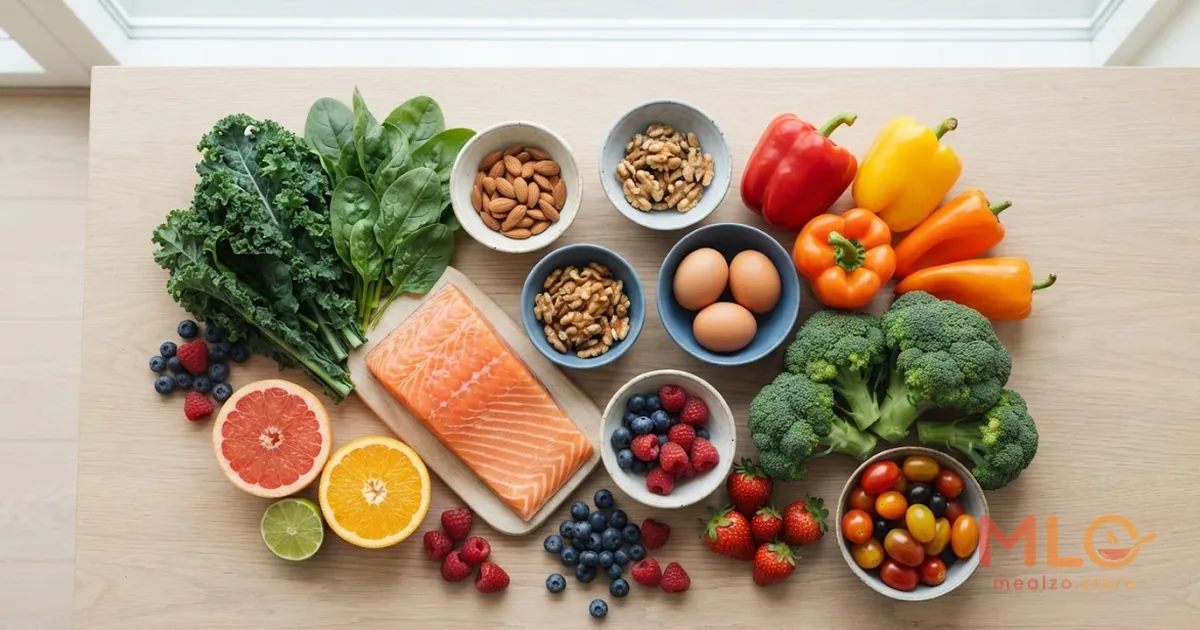
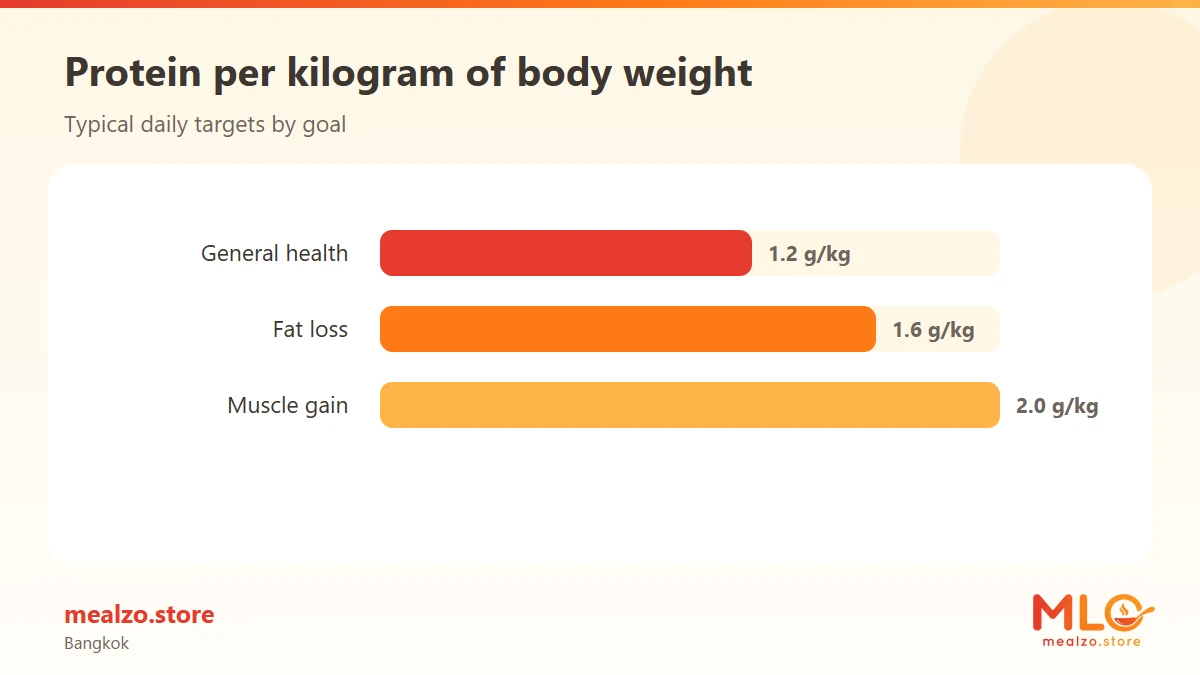
6. How should protein change with different goals?
Protein emphasis can change with a person's goals, but protein still has to be balanced with enough carbohydrate, fat and total energy for the overall eating plan.
Someone prioritising higher protein intake may choose a more concentrated protein source at most meals. Someone who prefers a predominantly plant-based diet may instead use larger servings of tofu, tempeh or legumes and spread protein across several meals.
A person eating at a lower calorie level may have less room for foods that contribute relatively little protein for their energy content. Someone eating more total calories may have more flexibility.
This does not mean there is one correct macronutrient ratio for every goal. Training, body size, appetite, dietary restrictions and personal preference can all change what is practical.
A simple way to think about meal construction is:
- choose a clear protein component
- add vegetables or fruit where they fit
- include carbohydrate according to the meal and activity demands
- include fats deliberately rather than letting sauces and frying determine them accidentally
- adjust portions to the total daily calorie plan
People who specifically want meals designed around a stronger protein emphasis can compare Bangkok high-protein meal delivery options.
7. Is mixing animal and plant protein useful?
Mixing animal and plant protein is a practical way to create varied meals without demanding that one ingredient provide everything.
A stir-fry containing chicken and tofu is an obvious example. Eggs with beans, fish with lentils, or yogurt alongside oats and seeds also combine different protein sources while changing texture, flavour and the rest of the nutrient profile.
This approach can be useful for people who are not vegetarian but want to eat more plant foods. Replacing every animal protein overnight is not necessary. A person can simply shift the balance of individual meals.
For example:
| Meal style | Possible protein structure |
|---|---|
| Mostly animal-based | Fish with rice and vegetables |
| Mixed | Chicken and tofu stir-fry with vegetables |
| Mostly plant-based | Lentils with rice and vegetables |
| Plant-based concentrated | Tofu or tempeh with grains and vegetables |
| Flexible breakfast | Eggs with oats, or soy-based alternatives with oats and seeds |
A mixed approach can also make eating socially easier. Bangkok meals frequently involve shared dishes, restaurant food and different preferences around the same table. A flexible diet often requires fewer rules than a diet built around strict labels.
8. What does a good high-protein meal actually look like?
A good high-protein meal has an identifiable protein source, sensible portions of the other major components and enough variety to remain practical over repeated meals.
The protein component might be fish, chicken, eggs, tofu, tempeh, beans or a combination. The rest of the plate should reflect the whole day's energy needs rather than following a rigid visual formula.
Consider the difference between these two plant-based meals:
- rice with vegetables and a few cashews
- rice with tofu, vegetables and a smaller portion of cashews
Both contain plant foods, but the second has a much clearer primary protein source.
The same principle applies to animal-based meals. A noodle dish containing a few small pieces of meat should not automatically be considered high-protein simply because meat is present.
Meal planning becomes easier when each meal answers one basic question: where is the main protein coming from?
Key takeaway: A protein-containing ingredient and a protein-focused meal are not necessarily the same thing.
9. How can you add more plant protein without becoming vegetarian?
You can increase plant protein gradually by replacing or supplementing part of the animal protein in meals you already eat.
That might mean adding tofu to a chicken stir-fry, using lentils in a mixed bowl, choosing a bean-based side dish, or alternating meat meals with tofu or tempeh meals.
There is no nutritional requirement to adopt a vegetarian label simply because you want more plant foods. Likewise, a vegetarian diet does not automatically contain more protein variety than an omnivorous one. Either pattern can become repetitive.
Useful ways to build variety include:
- rotate between poultry, fish, eggs, tofu, tempeh and legumes if these foods fit your diet
- use beans or lentils as a substantial part of a meal rather than a garnish
- keep nuts and seeds as supporting ingredients instead of assuming they are always the main protein
- vary grains and vegetables alongside the protein source
- choose cooking methods that fit your total energy intake
This kind of rotation can make protein planning feel like ordinary eating rather than a permanent nutrition project.
10. How does Mealzo handle different protein preferences?
Mealzo offers several meal-plan types that can accommodate different approaches to protein within its fixed plan structure.
The 12 available plans are Balanced, Weight Loss, High Protein, Vegetarian, Vegan, Keto, Low-Carb, Gluten Free, Easy-to-Digest, Pescatarian, No Fish & Seafood, and Dairy & Egg Free.
Customers can select 1200, 1500, 1800, 2000, 2200 or 2500 kcal per day, with either 3 or 5 meals daily. Packages are available for 3, 7, 14 or 30 days.
Mealzo delivers across Bangkok from its kitchen in Bang Na. Delivery windows are 06:00-09:00 in the morning or 17:00-20:00 in the evening.
Spice preference is selected per package from six levels: not spicy, mild, medium, standard, hot or Thai-spicy, and it can be changed later.
Customers can also declare allergens from nine groups. Dishes containing a declared allergen are then not assigned. This is an allocation mechanism and should not be understood as a guarantee that a meal is allergen-free.
To compare the available package formats and plan types directly, see Mealzo meal plans and package options.
11. Which is better for everyday life in Bangkok?
The better protein strategy is the one that provides enough variety and structure without making normal eating unnecessarily difficult.
For some people that means animal protein at most meals. For others it means predominantly plant-based eating. Many people will find a mixed approach easier because it allows them to move between restaurant meals, home food, delivered meals and social eating without constantly redesigning the diet.
Bangkok also makes convenience relevant. A theoretically perfect meal plan is of little value if the ingredients, preparation time or eating schedule make it impossible to maintain.
When comparing animal vs plant protein, focus on a few practical questions:
- Does each main meal contain a meaningful protein source?
- Are protein sources varied across the week?
- Does the total meal fit the intended calorie intake?
- Are plant-based meals built around substantial protein foods rather than vegetables alone?
- Does the eating pattern fit your restrictions and preferences?
- Can you follow it without turning every meal into a calculation?
If those pieces are in place, there is usually little benefit in treating animal and plant protein as opposing teams.
FAQ
Is animal protein necessary to get enough protein?
No. A well-planned plant-based diet can provide adequate protein, but it usually benefits from deliberate use of foods such as tofu, tempeh, legumes, grains, nuts and seeds rather than relying mainly on vegetables.
Do vegetarians need to combine proteins at every meal?
No. Protein variety across the day is generally more practical than trying to combine complementary foods precisely at every meal. Meals containing legumes, soy foods, grains, nuts and seeds can collectively provide the required essential amino acids.
Is tofu as useful as meat for meal planning?
Tofu can function as a main protein source in a meal, especially for vegetarian, vegan or mixed diets. Its overall nutrient profile differs from meat, so the surrounding portions of carbohydrate, fat and vegetables may also need to differ.
Are beans considered protein or carbohydrates?
They are both. Beans and lentils provide meaningful protein, but they also contain substantial carbohydrate and fibre. That matters when building meals within a defined calorie intake.
Is a vegan meal automatically high in protein?
No. A vegan meal can be high, moderate or low in protein depending on its ingredients. A meal centred on tofu, tempeh or legumes will generally have a clearer protein base than one consisting mainly of rice, vegetables and a small amount of nuts.
Should every meal contain the same amount of protein?
Not necessarily. Protein can be distributed differently according to meal size, appetite and schedule. The more useful goal is to ensure that protein appears consistently across the day rather than accidentally concentrating almost all of it in one meal.
Find a Meal Plan That Fits
Compare Mealzo plans or use the calculator to explore meal options for your needs.