High-Protein Meal Delivery in Bangkok: Complete Guide for Active People
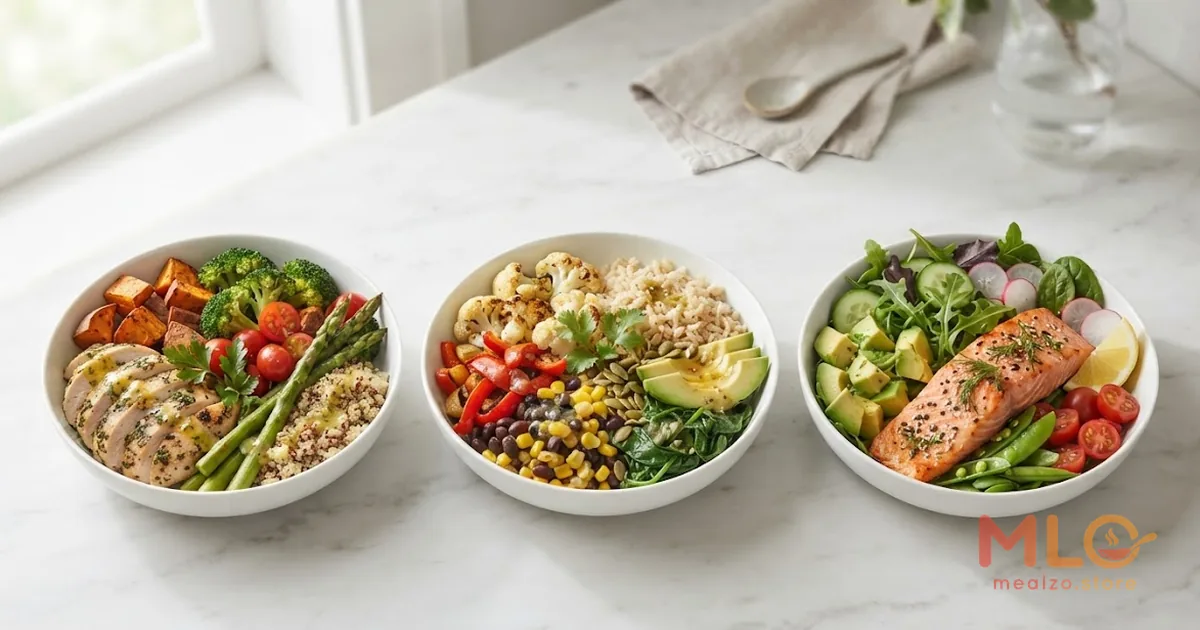
Eating enough protein is relatively straightforward when you cook every meal yourself. Doing it consistently in Bangkok while working, training, commuting and still having a social life is a different problem. The difficulty is rarely knowing that chicken, eggs, tofu or fish contain protein. It is arranging ordinary days so that suitable meals are actually available when you need them.
That is where high protein meal delivery Bangkok services can be useful. Instead of treating every lunch or dinner as a separate decision, a structured meal plan can reduce some of the planning, shopping and preparation involved. It does not make nutrition automatic, but it can make a chosen eating pattern easier to repeat.
Protein also needs context. A very high-protein meal is not automatically a well-designed meal, and eating more protein than you need does not compensate for an unsuitable overall calorie intake, poor food variety or a routine you cannot maintain. Active people may have different priorities depending on their training, body size, appetite and goals.
For someone living in Bangkok, the useful question is therefore not simply, "Which meal has the most protein?" A better question is, "Which meal structure gives me enough protein, appropriate energy and enough flexibility to fit the way I actually live?"
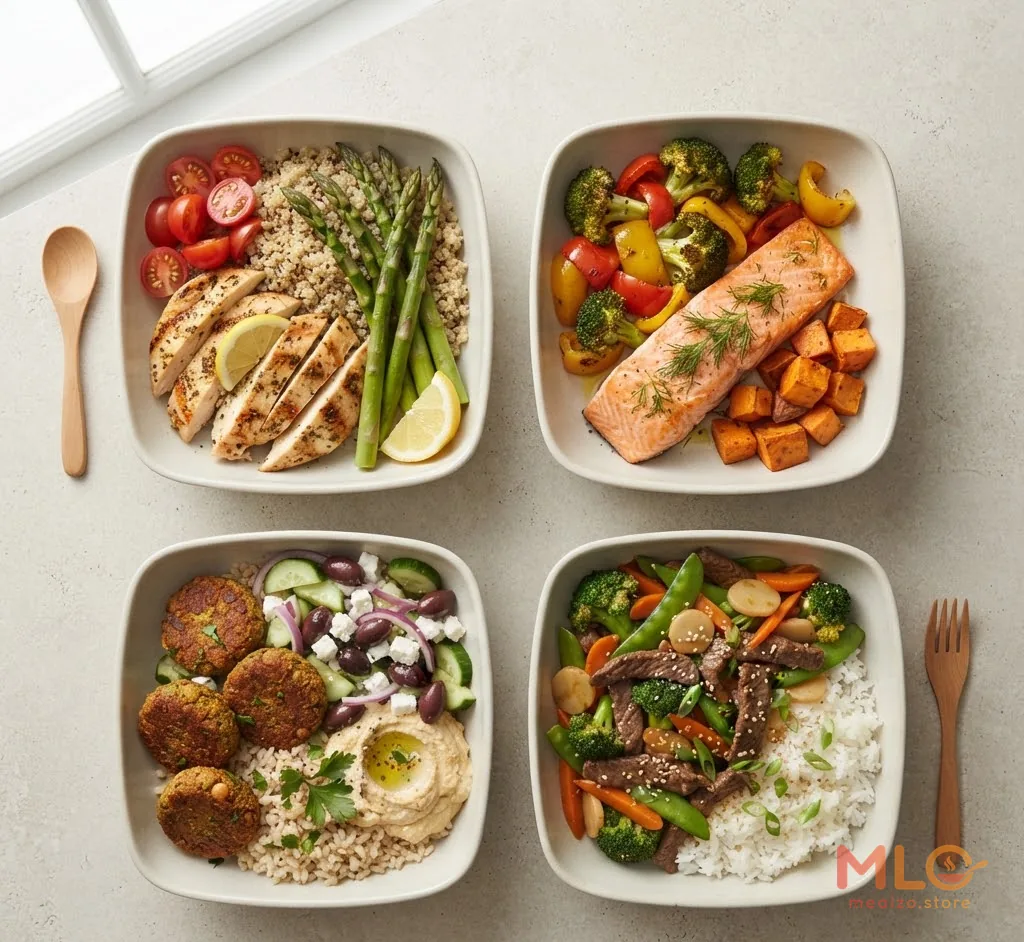
1. What Is High-Protein Meal Delivery?
High-protein meal delivery is a service that prepares and delivers meals designed around a relatively protein-focused eating pattern rather than leaving you to build every meal yourself.
That distinction matters because "high protein" is often used loosely. A meal containing some chicken is not necessarily protein-focused if most of its energy comes from rice, sauces and added fats. Equally, a plate does not need to consist almost entirely of meat to contribute meaningfully to a protein-focused day.
For active people, meal delivery can solve several practical problems at once:
- less daily shopping and food preparation;
- more predictable meal structure;
- easier control of total calorie intake;
- fewer last-minute food decisions after training or work;
- a clearer way to distribute food across three or five eating occasions.
Mealzo offers a specific High Protein plan as one of its 12 available meal plans in Bangkok. Other plans include Balanced, Weight Loss, Vegetarian, Vegan, Keto, Low-Carb, Gluten Free, Easy-to-Digest, Pescatarian, No Fish & Seafood, and Dairy & Egg Free.
That range matters because a high-protein plan is only one way of organising meals. Someone who trains regularly may still prefer a Balanced plan, while another person may prioritise a dietary restriction over maximising protein density.
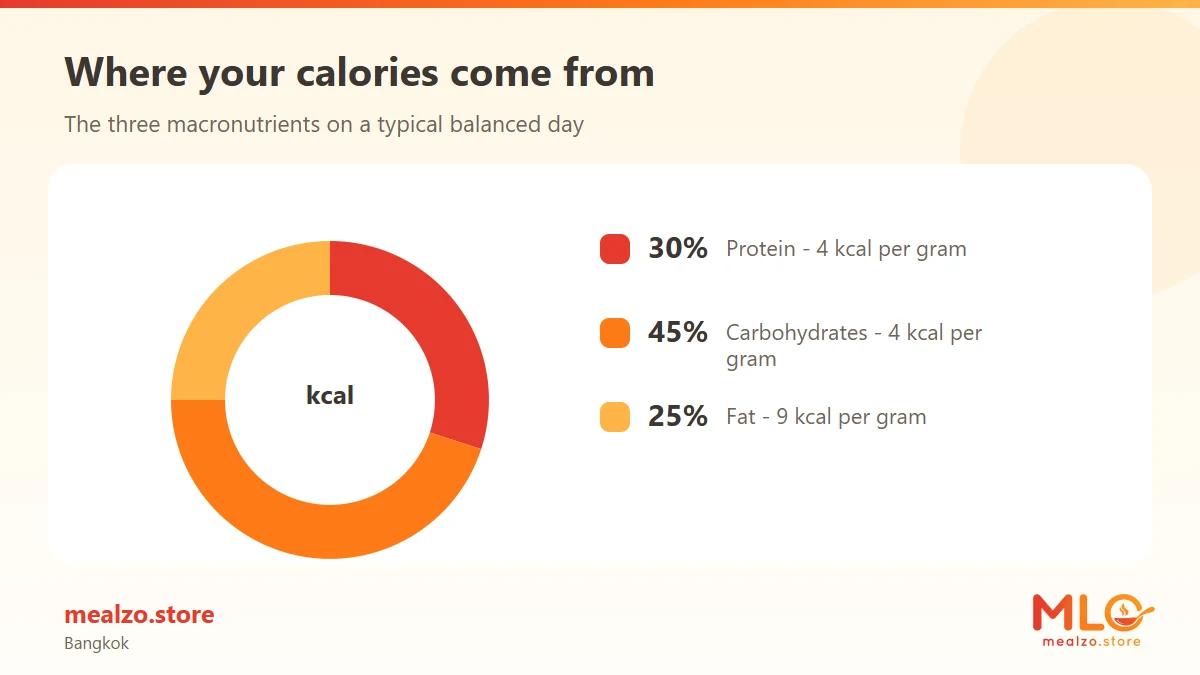
Protein is one of the three main macronutrients, alongside carbohydrate and fat. Protein supplies amino acids used by the body for structural and functional processes. Carbohydrate is an important source of readily available energy, particularly around demanding activity, while dietary fat contributes energy and performs other physiological roles. A useful meal plan considers all three rather than treating protein as the only nutrient that matters.
Key takeaway: A high-protein meal plan should increase the practical availability of protein without turning every meal into protein plus nothing else.
2. Why Do Active People Pay More Attention to Protein?
Active people often pay more attention to protein because training increases the practical importance of supplying amino acids regularly as part of an adequate overall diet.
Resistance training is the obvious example, but the issue is broader than bodybuilding. People who run, cycle, play sports, practise martial arts or combine several types of exercise still need to build meals around their total activity level rather than treating protein as an isolated supplement to training.
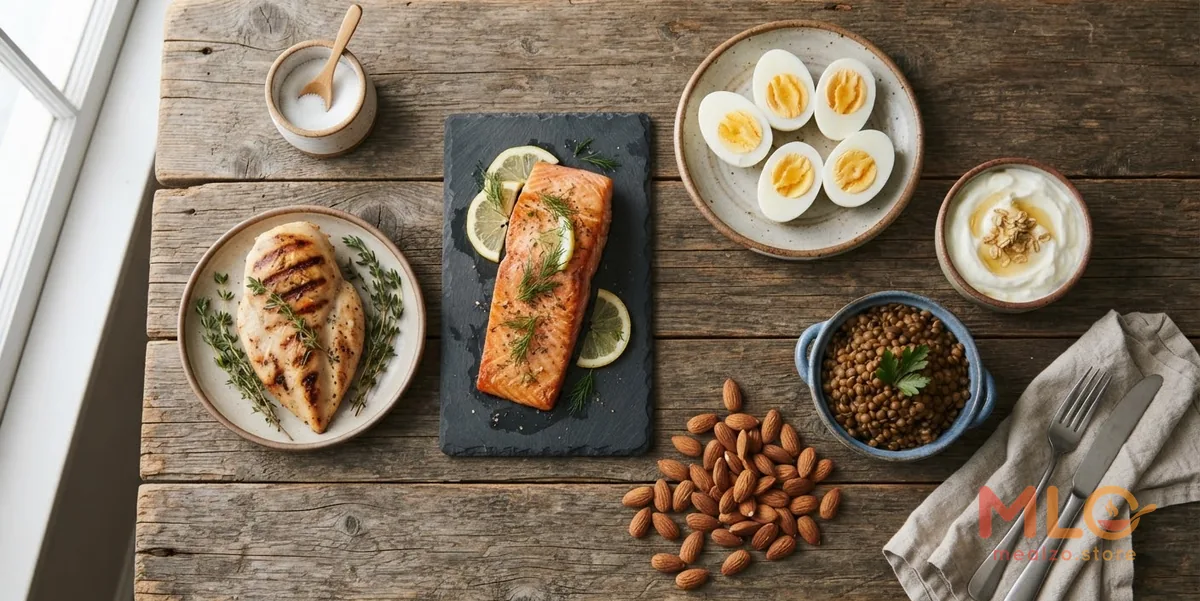
Protein can come from many foods. Common animal sources include meat, fish, seafood, eggs and dairy products. Plant-based diets can obtain protein from foods such as soy products, legumes, grains, nuts and seeds, although the composition of individual foods differs.
If you want to estimate your personal target in more detail, this guide to daily protein requirements explains the question separately rather than assuming that every active person needs the same intake.
The important point is that protein needs are individual. Body size, total food intake, training volume, training type and dietary pattern all affect how much protein makes sense in practice. More is not automatically better.
There is also a limit to how useful it is to chase a protein number while ignoring everything surrounding it. If your calorie intake is inappropriate for your needs, your training nutrition is poorly timed, or the meals are so repetitive that you stop eating them, the theoretical protein target is not solving the larger problem.
3. How Should Protein Fit Into a Complete Meal?
Protein should form one substantial part of a complete meal alongside appropriate sources of carbohydrate, fat, vegetables and other foods needed to make the meal satisfying and workable.
A familiar mistake is to judge food entirely by the size of the protein portion. That can produce meals that look disciplined but are poorly matched to the person eating them.
Someone doing a hard evening workout, for example, may appreciate a substantial protein serving but still need carbohydrate in the meal. Another person with lower energy requirements may want the same general protein emphasis with a smaller total meal.
A simple way to think about meal construction is to separate the roles of each component.
| Meal component | Practical role in an active person's meal |
|---|---|
| Protein-rich food | Provides dietary protein and amino acids |
| Carbohydrate-rich food | Supplies energy and can be especially useful around demanding activity |
| Vegetables and other plant foods | Add variety, texture and micronutrient-containing foods |
| Dietary fat | Adds energy, flavour and contributes to the overall composition of the meal |
| Total portion size | Determines whether the meal fits the person's wider daily energy intake |
This is why two people can eat meals based on similar ingredients but require very different portion sizes. A 1200 kcal daily plan and a 2500 kcal daily plan cannot simply be treated as the same food with identical quantities.
Mealzo provides six daily calorie levels: 1200, 1500, 1800, 2000, 2200 and 2500 kcal. The calorie level is therefore a separate decision from selecting the High Protein plan.
Protein density is not the same as total calories
A meal can contain a useful amount of protein and still be high in total energy. Oils, sauces, nuts, cheese and large servings of carbohydrate can substantially change a meal's calorie content without making the protein portion look different.
The reverse is also true. A meal can be relatively low in calories but still contain a deliberate protein component.
For this reason, "high protein" and "low calorie" should not be treated as synonyms.
4. How Much Food Should an Active Person Order?
An active person should choose the amount of food according to overall energy needs rather than assuming that exercise automatically requires the largest available package or calorie level.
Mealzo provides a calorie calculator in its app using the Mifflin-St Jeor equation. The result is an estimate, not medical advice, and it should be treated as a starting point rather than a precise measurement of what your body requires every day.
Activity complicates any calorie estimate because real life is variable. One week may include five training sessions and long workdays on your feet. Another may include two light sessions and considerably more sitting.
Appetite can vary too.
A calorie estimate is therefore more useful as a framework than as an instruction carved in stone. You can compare the estimate with your actual routine, meal size preferences and goal before deciding which available level is practical.
| Mealzo daily calorie level | How to interpret it |
|---|---|
| 1200 kcal | One of the available lower-energy plan levels |
| 1500 kcal | A lower-to-moderate available level |
| 1800 kcal | A middle available level |
| 2000 kcal | A higher middle available level |
| 2200 kcal | A higher-energy available level |
| 2500 kcal | The highest available Mealzo level |
These labels are descriptive, not recommendations for specific people. A calorie level that suits one active person may be inappropriate for another.
Key takeaway: Choose protein emphasis and total calories as two related but separate decisions.
5. Are Three Meals or Five Meals Better for Protein?
Neither three nor five meals is automatically better; the better option is the one that distributes your food in a way that suits your appetite, training and daily schedule.
Mealzo allows either three or five meals per day. This changes how the day's food is divided, not the underlying fact that daily intake matters.
Three meals may be simpler for someone who prefers substantial breakfasts, lunches and dinners and dislikes interrupting work to eat. Five meals may feel more natural for someone who becomes hungry between larger meals or wants smaller eating occasions around training.
Three meals may suit you if:
- you prefer larger individual meals;
- you have limited breaks during the working day;
- you dislike frequent eating;
- your training schedule fits comfortably around main meals.
Five meals may suit you if:
- you prefer smaller portions at one time;
- you have a long day between waking and sleeping;
- you want more opportunities to place food around training;
- large meals leave you uncomfortable before activity.
The number of meals should not become another nutrition competition. Eating five times per day does not automatically produce a better diet than eating three times, and three meals do not automatically improve appetite control.
What matters is whether the structure helps you eat appropriately and consistently.
6. How Should Meals Be Timed Around Training?
Meals around training should be timed so that you can train comfortably while still fitting adequate food into the rest of the day.
There is no single pre-workout or post-workout meal that suits everyone. The type of exercise, meal size, time of day and personal digestion all matter.
A large meal shortly before running may feel unpleasant. The same meal eaten several hours before a strength session may be completely comfortable. Someone training early in the morning may prefer a smaller pre-training meal and a more substantial breakfast afterward. Someone training after work may organise lunch and an afternoon meal differently.
For a more focused comparison, the practical differences between pre-workout and post-workout meals covers timing without assuming that one side of the workout window matters at the expense of the entire day.
Before training
The closer you eat to exercise, the more relevant portion size and digestibility become. Very large meals can simply be uncomfortable for some people.
Carbohydrate is also relevant here. A high-protein plan should not be interpreted as a reason to avoid carbohydrate when it has a practical role in supporting demanding exercise.
After training
A post-training meal is an opportunity to eat protein, carbohydrate and enough total food to fit the day's needs. It does not need to be eaten in panic immediately after the final repetition.
The wider pattern still matters. A person who has eaten adequately across the day is in a different position from somebody who trained after skipping lunch and eating very little since breakfast.
Key takeaway: Training nutrition works better as part of an organised day than as a frantic search for one supposedly perfect post-workout meal.
7. Does High-Protein Delivery Work for Muscle Gain?
High-protein delivery can support a muscle-gain eating structure by making protein-rich meals and an appropriate amount of daily food easier to organise, but the meals themselves do not create muscle growth.
Training provides the relevant physical stimulus, while food supplies energy and nutrients. Sleep, recovery, training design and consistency also sit outside what any meal-delivery service can provide.
For people trying to gain muscle, one common problem is not protein alone but total intake. A person may eat lean, protein-heavy meals yet simply fail to eat enough overall food for the eating strategy they have chosen.
This is where calorie level matters. Selecting High Protein does not answer the separate question of how much energy should be eaten.
If muscle gain is the main objective, this guide to structuring high-protein meals for muscle gain goes further into meal composition and the role of total intake.
A practical muscle-focused meal pattern usually needs to answer several questions:
- Is there enough total food to match the intended goal?
- Is protein spread across meals in a way that is comfortable?
- Is there enough carbohydrate for the person's training?
- Can the person maintain the plan without constantly adding unplanned food because the portions are too small?
- Does the schedule still work on rest days?
The final point is easy to overlook. Training days attract most of the attention, but a meal plan is lived across the whole week.
8. Can High-Protein Meals Fit a Fat-Loss Plan?
High-protein meals can fit a fat-loss plan when they are combined with an overall calorie intake that is appropriate for that objective.
Protein and calorie deficit are different concepts. A meal does not cause fat loss merely because it contains a large portion of lean meat or another protein-rich food.
A high-protein eating pattern can be useful because it gives structure to the diet and keeps protein prominent while total food intake is being managed. But sauces, cooking fats, snacks, drinks and additional meals still contribute energy.
For people whose main goal is reducing calorie intake while keeping protein prominent, high-protein meal planning for fat loss examines that combination more directly.
There is also no reason to assume that the lowest available calorie level is the best starting point. A very restrictive plan may be difficult to sustain, particularly for someone training frequently or moving around Bangkok all day.
This is one area where ambition can work against practicality. A plan that appears aggressive on paper but repeatedly sends you searching for extra food at night may be a worse fit than a more moderate structure you can actually follow.
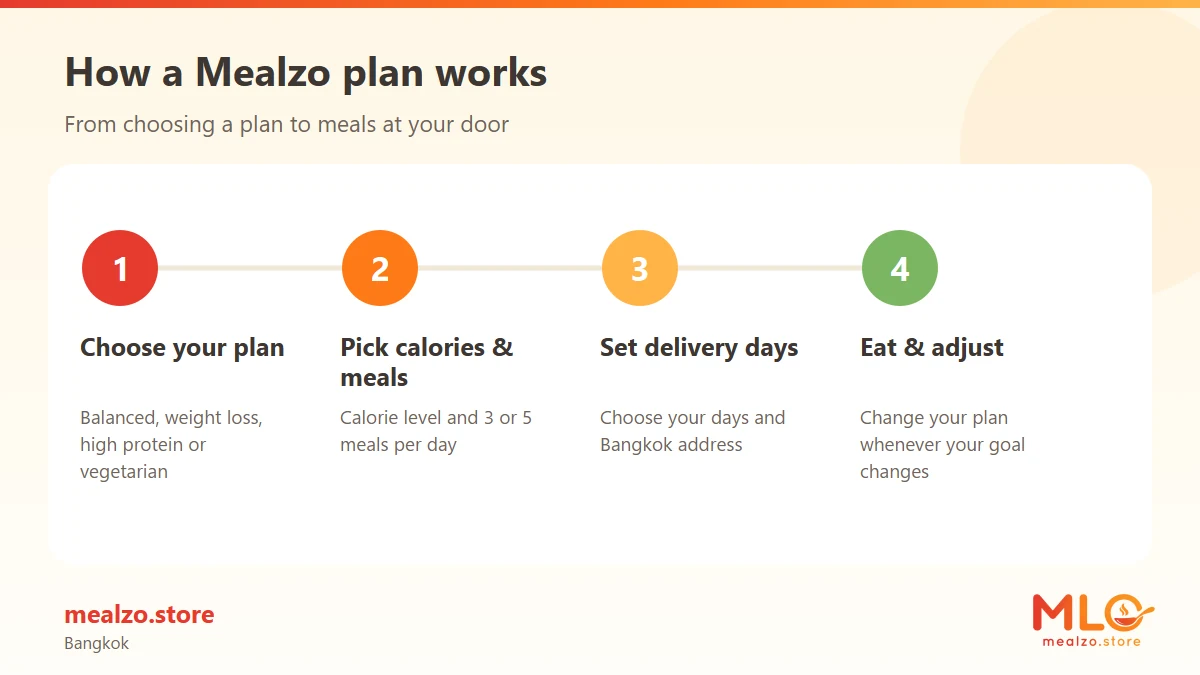
A practical high-protein meal-delivery process can be viewed in five steps: choose a meal plan, choose an appropriate daily calorie level, choose three or five meals per day, choose a package length, and select a delivery window. The resulting food still sits inside the rest of your life, including drinks, snacks, restaurant meals and anything else eaten outside the plan.
9. What Is the Difference Between Animal and Plant Protein?
Animal and plant proteins differ in their food sources, amino-acid profiles and the other nutrients and ingredients that come with them, but both can contribute to a protein-focused diet.
Animal protein is commonly supplied by foods such as meat, fish, eggs and dairy. Plant protein can come from soy foods, legumes, grains, nuts, seeds and combinations of these foods.
The practical comparison is more useful than arguing that one category is universally superior.
Someone eating a mixed diet has a broad range of protein sources available. A vegetarian or vegan eater has a narrower selection of protein-dense foods but can still structure meals deliberately around plant sources. Food preferences, ethics, digestion and dietary restrictions may all influence the decision.
Mealzo separates these choices through different meal plans rather than assuming High Protein is the only appropriate plan for active people. Vegetarian, Vegan, Pescatarian, Dairy & Egg Free and No Fish & Seafood options can be relevant depending on what someone eats.
For a closer examination of the differences, the comparison of animal and plant protein sources covers the topic independently.
No single ingredient determines the quality of the entire diet. Variety still matters.
10. How Does High-Protein Meal Delivery Fit Bangkok Life?
High-protein meal delivery fits Bangkok life by shifting some meal preparation and scheduling from the customer to a prepared delivery routine.
This is less glamorous than claims about perfect fitness food, but it is arguably the more useful part of the service.
Bangkok can make spontaneous eating extremely easy. Food is widely available, delivery apps are always close at hand, and working hours do not necessarily align neatly with training or cooking. That convenience is valuable, but it also means every meal can become another decision.
Prepared meal plans create a default.
Mealzo delivers across Bangkok from its kitchen in Bang Na. Customers can choose one of two delivery periods:
| Delivery option | Window |
|---|---|
| Morning delivery | 06:00-09:00 |
| Evening delivery | 17:00-20:00 |
The better window depends on how you organise your day. Someone leaving home early may prefer to have food delivered the previous evening. Someone who wants meals arriving before the working day may prefer the morning window.
Meal delivery does not eliminate the need to think ahead. You still need somewhere appropriate to receive and store the food, and your daily schedule may include meals outside the plan.
That is the useful trade-off: fewer routine decisions, not zero responsibility.
11. How Flexible Is a Mealzo High-Protein Plan?
A Mealzo High Protein plan can be configured by calorie level, meals per day, package length and spice level within the options provided by the service.
Packages are available for 3, 7, 14 or 30 days. There is no one-day package.
The available configuration can be summarised like this:
| Setting | Available options |
|---|---|
| Meal plan | High Protein plus 11 other plan types |
| Daily calories | 1200, 1500, 1800, 2000, 2200, 2500 kcal |
| Meals per day | 3 or 5 |
| Package length | 3, 7, 14 or 30 days |
| Spice level | Not spicy, mild, medium, standard, hot, Thai-spicy |
| Delivery | 06:00-09:00 or 17:00-20:00 across Bangkok |
Spice level is selected per package and can be changed later. That is a small detail, but in Bangkok it is not an irrelevant one. "Spicy" means very different things to different people, and food that is theoretically suitable is not useful if you dislike eating it.
Someone comparing the available configurations can use Mealzo meal plans and package options rather than assuming every subscriber receives the same setup.
Flexibility still has boundaries
A structured meal-delivery service is not the same as ordering individual restaurant dishes à la carte.
You are choosing within a defined system. That is partly what creates consistency, but it can also be a disadvantage for someone who wants to decide every meal spontaneously.
For some people, structure removes friction. For others, it feels restrictive. Neither reaction is wrong.
12. What Should You Check Before Choosing a High-Protein Plan?
Before choosing a high-protein plan, check whether the calories, meal frequency, dietary restrictions, delivery schedule and package length actually fit your normal week.
Start with your goal, but do not stop there.
If you train four evenings per week, ask whether your meal timing works on those evenings. If you spend several days travelling outside Bangkok, a long package may require more planning. If you eat dinner socially several nights per week, five delivered meals each day may not match how you actually live.
A useful pre-order checklist is:
- Decide whether High Protein genuinely fits your priority better than Balanced or another plan.
- Estimate your daily calorie needs rather than choosing solely by appetite at one moment.
- Decide whether three or five meals fits your working and training schedule.
- Choose a package length that reflects the days you can realistically use it.
- Pick a spice level you genuinely enjoy.
- Consider which delivery window is easier to receive.
- Declare relevant allergens accurately.
The last point requires some precision.
Mealzo allows customers to declare allergens from nine allergen groups. Dishes containing a declared allergen are then not assigned to that customer. This is a dish-assignment mechanism; it should not be interpreted as a guarantee that meals are allergen-free.
Anyone with a serious allergy or a condition requiring strict medical dietary management should not treat a standard meal-plan description as medical guidance.
Key takeaway: The best package is not the one with the most food or the longest duration; it is the configuration that matches the days you can realistically use.
13. Who May Not Need High-Protein Meal Delivery?
High-protein meal delivery may not be necessary for people who already prepare suitable meals easily, prefer a different dietary structure, or need nutrition management beyond what a standard meal plan is designed to provide.
There is no prize for outsourcing meal preparation if you enjoy cooking and already do it consistently.
Similarly, an active person does not automatically need the High Protein plan. A Balanced, Vegetarian, Vegan, Pescatarian or another plan may make more sense depending on food preferences and priorities.
Meal delivery may also be a poor fit if you:
- want to choose every meal spontaneously;
- eat most meals at restaurants with colleagues or family;
- regularly travel outside the Bangkok delivery area;
- need highly individualised clinical nutrition management;
- have dietary requirements that cannot be handled safely through the available plan and allergen-selection system.
The point of high protein meal delivery Bangkok is practical consistency, not nutritional perfection. If it removes a recurring obstacle in your day, it has a clear function. If it creates more logistical complications than it solves, another approach may be better.
14. What Makes a High-Protein Routine Sustainable?
A high-protein routine is sustainable when the food quantity, meal timing, taste, delivery schedule and level of structure remain realistic enough to repeat during ordinary weeks.
That final phrase matters: ordinary weeks.
Nutrition plans often look easiest when imagined in isolation. Real life includes a late meeting, a Saturday dinner, a missed workout, a morning when you leave home early, and a day when you simply want something different.
A rigid plan can respond to those situations in two ways. It can provide useful structure, or it can become something you constantly feel you are "breaking."
The difference often comes from how realistically you set it up.
If three meals match your schedule better than five, choose three. If Thai-spicy food makes every meal a struggle, choose a milder level. If 30 days feels too large a commitment to your present routine, shorter 3-, 7- or 14-day packages exist.
High protein is therefore best understood as one design choice inside a larger eating pattern. The goal is not to create a day that looks perfect on a nutrition diagram. It is to create a structure that still makes sense when work, training and Bangkok life are happening at the same time.
FAQ
Is high-protein meal delivery only for people who lift weights?
No. Resistance training is one reason people pay closer attention to protein, but runners, cyclists, recreational athletes and other active people may also prefer protein-focused meals. The appropriate amount and overall diet still depend on the individual.
Should I choose the highest calorie level if I exercise every day?
Not automatically. Exercise affects energy expenditure, but daily calorie needs also depend on factors such as body size and the amount and intensity of activity. Mealzo's calculator uses Mifflin-St Jeor as an estimate, and the result should be treated as a starting point rather than medical advice.
Can I order only one day of Mealzo High Protein meals?
No. Mealzo packages are available for 3, 7, 14 or 30 days.
Can I change how spicy my meals are?
Yes. Mealzo offers six spice levels: not spicy, mild, medium, standard, hot and Thai-spicy. The level is chosen per package and can be changed later.
What happens if I declare a food allergen?
Mealzo uses nine allergen groups, and dishes containing an allergen you have declared are not assigned to you. This is an assignment mechanism and should not be treated as a guarantee that a meal is allergen-free.
Is high-protein delivery useful if I still eat at restaurants?
It can be, provided the delivered meals fit around your restaurant meals rather than simply being added on top of them without considering total food intake. For many Bangkok residents, a mixed routine of structured meals and social eating is more realistic than expecting every meal to come from one source.
People who are pregnant, breastfeeding, under medical treatment, managing an eating disorder or dealing with another condition affecting nutrition should not rely on a general calorie article to set an intake target. Individual professional advice is more appropriate.
Find a Meal Plan That Fits
Compare Mealzo plans or use the calculator to explore meal options for your needs.