Keto Diet Basics: Macros, Food Choices and Common Mistakes
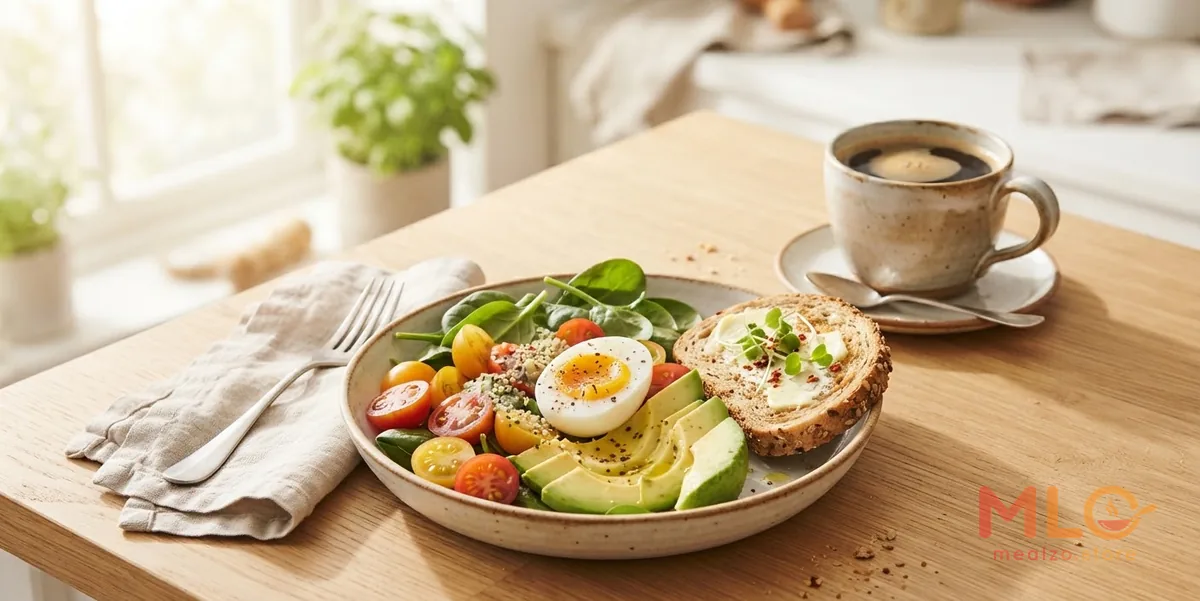
A keto diet is often reduced to one instruction: eat fewer carbohydrates. That is directionally correct, but it leaves out most of what determines whether the diet is practical, nutritionally sensible and sustainable in everyday life.
The real keto diet basics are about changing the balance between carbohydrates, fat and protein enough that carbohydrate intake stays very low while fat supplies a larger share of dietary energy. Food quality still matters. So do portions, sauces, drinks, snacks and the small ingredients that are easy to overlook.
In Bangkok, those details matter even more. Rice, noodles, sweet drinks and sugar-containing sauces are woven into normal eating, while many dishes that look protein-heavy can still contain meaningful amounts of carbohydrate. Keto therefore requires more attention than simply ordering meat and leaving the rice behind.
It can suit people who prefer clear dietary boundaries and naturally enjoy eggs, meat, fish, tofu, vegetables and richer foods. Others find the restrictions inconvenient, socially awkward or simply less enjoyable than a moderate low-carb approach. Understanding the structure first makes that choice easier.

1. What a Keto Diet Actually Changes
A typical mixed diet gets a substantial part of its energy from carbohydrate. On keto, carbohydrate intake is kept low enough that the body relies much more heavily on fat and compounds called ketones for fuel.
That metabolic shift is called ketosis. Reaching it is not the same thing as merely having a lower-carb meal once or twice. The overall pattern has to stay consistently carbohydrate-restricted.
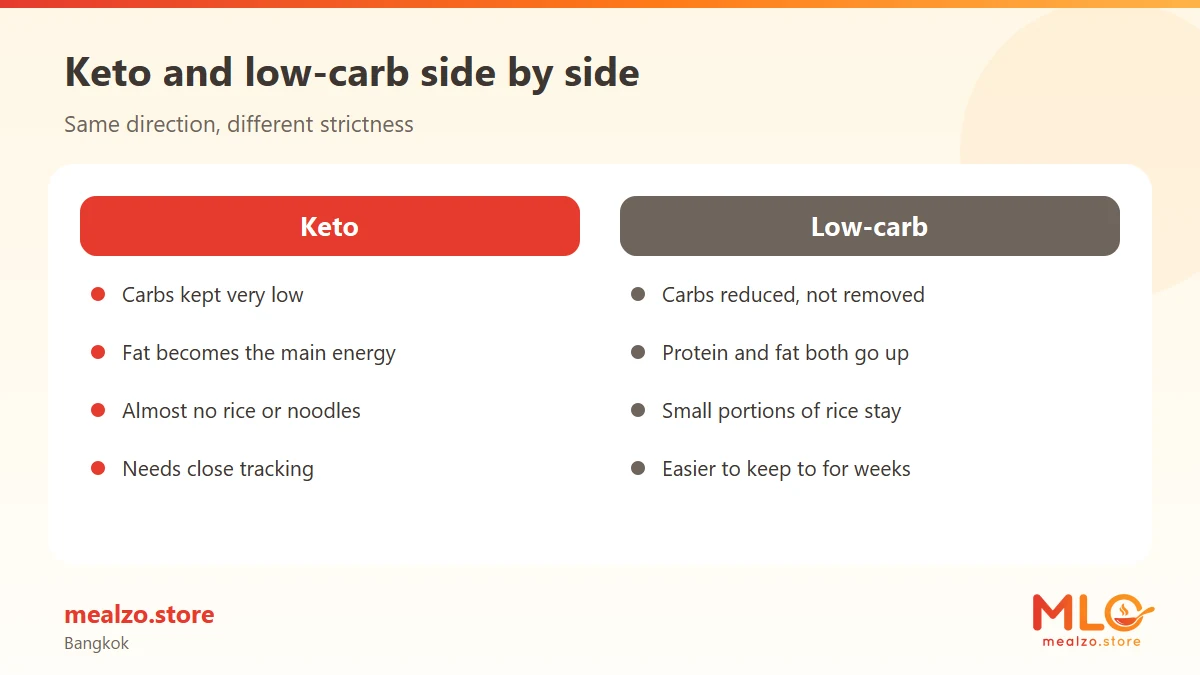
This is one reason keto and low-carb should not be treated as interchangeable terms. Low-carb eating covers a much wider range of approaches, while keto is the more restrictive end of the spectrum. If you are deciding between the two, this comparison of keto and low-carb approaches explains where the practical differences begin.
Key takeaway: Keto is not simply a diet without rice or bread; it is a consistently very low-carbohydrate eating pattern built around a different macronutrient balance.
2. Understanding Keto Macros
The three major macronutrients are carbohydrate, protein and fat. Keto changes their relative roles rather than removing any one nutrient from food entirely.
Carbohydrate is deliberately limited. Protein generally remains adequate rather than disappearing, and fat becomes the major energy source. Exact intake depends on the individual, total energy needs, food choices and the version of keto being followed.
| Macronutrient | Role in a keto diet | Practical focus |
|---|---|---|
| Carbohydrate | Kept very low | Vegetables, small portions of selected foods, hidden ingredients |
| Protein | Maintained at an appropriate level | Meat, fish, eggs, tofu and other protein foods |
| Fat | Provides a larger share of energy | Oils, avocado, nuts, seeds, coconut and naturally fatty foods |
People sometimes interpret keto as permission to add unlimited fat to every meal. That misses an important point. Fat is energy-dense, so adding butter, cream, cheese, coconut milk or oil automatically to foods can make meals much heavier than intended.
Protein also deserves more attention than it sometimes gets. A keto meal should not become a plate of added fats with only a token amount of protein and vegetables.
3. Keto-Friendly Foods That Make Meals Easier
A practical keto plate usually starts with a clear protein source, adds low-carbohydrate vegetables and then includes enough fat to make the meal satisfying.
Common building blocks include:
- Eggs, poultry, meat, fish and seafood
- Tofu and other suitable soy foods
- Leafy greens, mushrooms, cucumber, cabbage and other lower-carbohydrate vegetables
- Avocado, olives, nuts and seeds
- Oils, coconut products and moderate amounts of higher-fat dairy where appropriate
- Herbs, spices, chilli, lime and other seasonings without significant added sugar
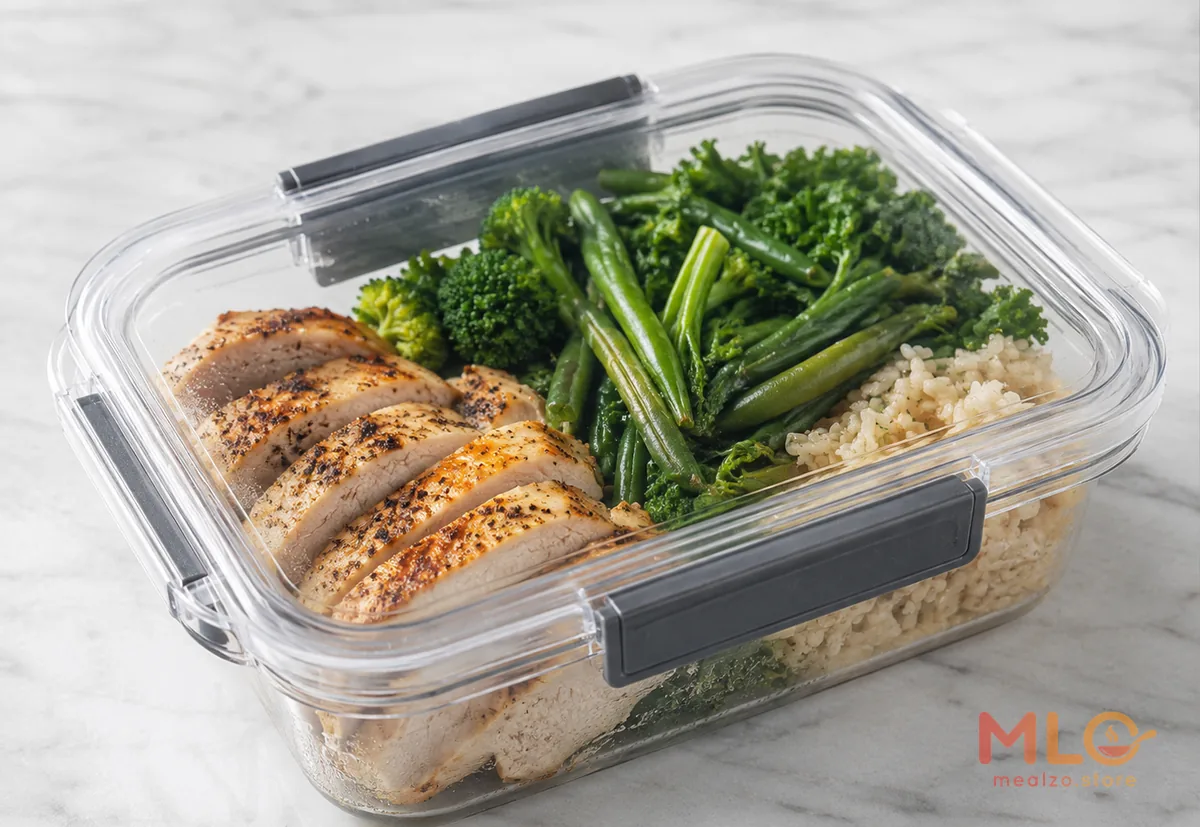
This still leaves plenty of room for different cooking styles. Grilled chicken with vegetables, an omelette with mushrooms, fish with cabbage, or tofu with greens can all fit the structure depending on the ingredients used.
The difficulty often comes from what is added during cooking rather than from the main food itself.
4. Foods That Usually Need More Attention
Rice, noodles, bread, sweetened drinks, desserts and many snack foods are obvious carbohydrate sources. The less obvious ones are often more important because people forget to count them.
A stir-fry may contain sugar in the sauce. A savoury dressing may be sweetened. A coffee that sounds simple may include condensed milk or syrup. Marinades, chilli sauces and bottled condiments can also add carbohydrate quickly.
| Food or ingredient | Why it can be difficult on keto | What to check |
|---|---|---|
| Rice and noodles | Concentrated carbohydrate source | Portion or replacement |
| Sweet sauces | Sugar may be added even to savoury dishes | Sauce ingredients |
| Milk-based drinks | Milk and sweeteners can add carbohydrate | Type of milk and added sugar |
| Condiments | Small servings can accumulate across meals | Label or recipe |
| Processed snacks | May contain starch, sugar or flour | Ingredient list and carbohydrate content |
For a broader introduction to a less restrictive version of this style of eating, the fundamentals of a low-carb diet are useful before deciding that keto is necessary.
5. Hidden Carbohydrates Matter More Than People Expect
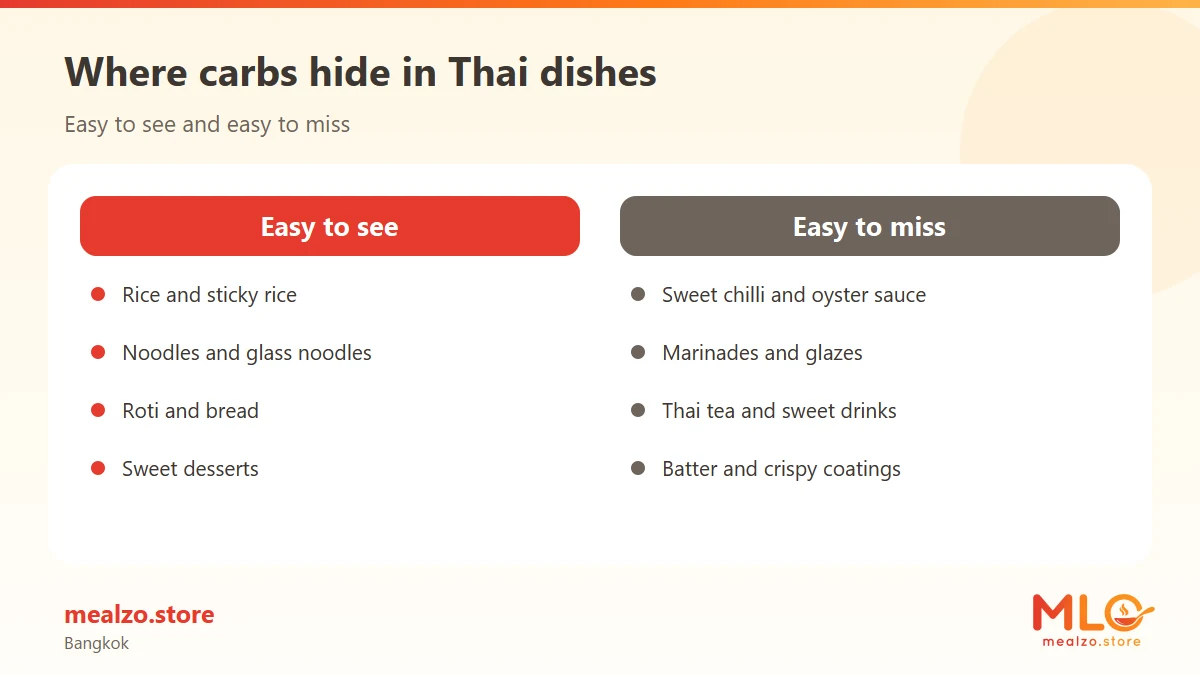
The foods most likely to disrupt a keto pattern are not always the ones that look obviously starchy. Sauces, drinks and prepared foods can make the difference between a meal that appears keto-friendly and one that contains far more carbohydrate than expected.
This is especially relevant with Thai food. A plate may contain grilled meat, vegetables and chilli yet still use sugar in the marinade or dipping sauce.
Common places to check include:
- Sweet chilli sauce
- Oyster-style sauces and prepared stir-fry sauces
- Sweetened fish sauce dressings
- Condensed milk
- Flavoured coffees and teas
- Ready-made marinades
- Ketchup and bottled dipping sauces
- Processed meat products containing starch or sugar
This does not mean every sauce must be avoided. It means the sauce is part of the meal and should be considered rather than treated as nutritionally invisible. Hidden carbs in Thai sauces and drinks goes further into the ingredients that can catch people out in Bangkok.
Key takeaway: On keto, the carbohydrate in sauces, beverages and condiments can matter as much as the carbohydrate in the main ingredients.
6. Vegetables Still Belong in Keto Meals
A poor version of keto can become almost entirely meat, cheese, eggs and added fats. That is not the only way to structure the diet, and for many people it makes meals repetitive very quickly.
Vegetables bring texture, flavour and variety. They also make a plate feel more like a complete meal rather than a collection of rich foods.
Lower-carbohydrate choices are generally easier to fit into keto meals than large portions of starchy vegetables. Preparation matters as well. Steamed cabbage and a cabbage salad with a sweet dressing are not nutritionally identical.
A simple framework is useful:
- Choose a protein source first.
- Add one or more suitable vegetables.
- Include fat from the food itself or the cooking method.
- Check sauces and dressings rather than assuming they are low in carbohydrate.
That approach is less glamorous than chasing specialist keto products, but it is usually easier to apply in a normal Bangkok kitchen or restaurant.
7. The Difference Between Keto Foods and Keto Portions
A food can be compatible with keto without being unlimited.
Nuts are a good example. They can fit well into a keto meal plan, but large handfuls are easy to eat without noticing the amount. Cheese, cream, oils and nut butters have the same issue. They are low in carbohydrate, but that does not make portions irrelevant.
This distinction matters because people often switch from counting carbohydrate carefully to ignoring everything else.
A better question is not simply, "Is this keto?" It is, "How does this portion fit into the whole day?"
Meal timing does not solve that problem by itself. Three carefully structured meals can work. Five smaller meals can also work. What matters is that the overall intake matches the intended eating pattern rather than becoming continuous grazing on low-carbohydrate foods.
8. Common Keto Mistakes
Several mistakes appear repeatedly because they follow naturally from oversimplified keto advice.
Treating keto as unlimited fat
Adding extra oil, butter, cream or cheese to every meal is not required just because carbohydrate intake is low. Fat is part of the structure, not a challenge to consume as much as possible.
Eating very little protein
Some people become so focused on fat that the protein portion shrinks unnecessarily. A main meal should still have a meaningful protein source.
Forgetting drinks
Sweetened tea, coffee, juice and other drinks can add carbohydrate without feeling like part of the meal.
Ignoring sauces
A meal based on meat and vegetables can still contain substantial added sugar or starch through a sauce, glaze or marinade.
Buying every product labelled "keto"
A label on the front of a package does not replace checking the ingredients and nutrition information. Some specialised products can be convenient, but they are not necessary for building a keto meal.
Key takeaway: Most keto mistakes come from focusing on a single rule instead of looking at the entire meal and the entire day.
9. Keto in Bangkok Restaurants
Eating keto outside the home is possible, but it requires more questions than a standard order.
Grilled meats, seafood, eggs, soups and vegetable dishes can be easier starting points than noodle or rice dishes. Even then, marinades, sauces and seasoning mixes deserve attention.
Useful requests may include asking for:
- No rice or noodles
- Sauce served separately
- No added sugar where the kitchen can accommodate it
- Extra vegetables instead of a starch
- Plain grilled or simply cooked protein
Not every restaurant will be able to modify every dish. That is part of the trade-off. Keto reduces spontaneity because ingredients that would barely matter on a moderate diet can matter more when carbohydrate intake is intentionally kept very low.
10. When Meal Planning Becomes More Important
Keto tends to be easier when meals are decided before hunger makes the decision.
That can mean cooking several protein portions in advance, keeping suitable vegetables ready, or planning where you can eat near work. It can also mean using a prepared meal service, provided you understand exactly what the plan includes.
Mealzo offers Keto as one of its 12 meal plans, alongside options including Balanced, Weight Loss, High Protein and Low-Carb. Customers can select 1200, 1500, 1800, 2000, 2200 or 2500 kcal per day, with 3 or 5 meals daily and packages of 3, 7, 14 or 30 days.
Delivery is available across Bangkok in morning windows from 06:00-09:00 or evening windows from 17:00-20:00. Anyone comparing services should still check the structure of the meals, package length, calorie level and whether the practical delivery schedule suits their routine. what to check before choosing keto meal delivery in Bangkok covers those questions in more detail.
Mealzo also includes a calorie calculator using the Mifflin-St Jeor formula. It provides an estimate rather than medical advice.
11. Keto Is Not Automatically the Right Choice
Keto has a clear structure, which some people appreciate. That same clarity can also feel restrictive.
Someone who enjoys rice occasionally, eats frequently with colleagues, travels often or dislikes monitoring sauces may find a moderate low-carb approach much easier to live with. Someone who prefers firmer boundaries may prefer keto.
There is no useful prize for choosing the most restrictive version of a diet.
The better choice is the one whose rules, food selection and logistics you can realistically understand and follow. If a prepared plan would make that easier, you can compare Mealzo meal plans and package options before deciding whether Keto, Low-Carb or another plan fits your routine.
For customers declaring allergens, Mealzo uses nine allergen groups. Dishes containing a declared allergen are not assigned to that customer. This describes the assignment mechanism and should not be interpreted as a guarantee that a meal is allergen-free.
FAQ
What is the simplest definition of a keto diet?
A keto diet is a very low-carbohydrate eating pattern in which fat provides a larger share of dietary energy while protein remains part of the diet. The aim is to keep carbohydrate intake consistently low enough for the body to rely more heavily on fat and ketones for fuel.
Is keto the same as low-carb?
No. Keto is a form of carbohydrate restriction, but low-carb is a broader category. A low-carb diet can include more carbohydrate and therefore allow a wider range of foods and portions.
Can Thai food fit a keto diet?
Some Thai dishes can fit, especially those based on meat, seafood, eggs, tofu and suitable vegetables. The main difficulty is often sauces, marinades, sugar, rice, noodles and sweetened drinks rather than the core protein itself.
Do I need special keto products?
No. A keto diet can be built from ordinary foods such as eggs, fish, meat, tofu, vegetables, nuts, seeds, oils and other suitable ingredients. Packaged keto products are optional rather than essential.
Is eating more fat always better on keto?
No. Keto increases the relative role of fat because carbohydrate is restricted, but that does not mean every meal needs large amounts of added oil, cheese, cream or butter. Portions and total meal composition still matter.
How do I know whether keto is practical for me?
Consider how often you eat out, whether you are comfortable checking sauces and drinks, how much you value flexibility, and whether you enjoy the foods that form the basis of keto meals. If those restrictions feel excessive, a less restrictive low-carb approach may be more practical.
Find a Meal Plan That Fits
Compare Mealzo plans or use the calculator to explore meal options for your needs.