Low-Carb Diet Basics: How It Differs From a Keto Diet
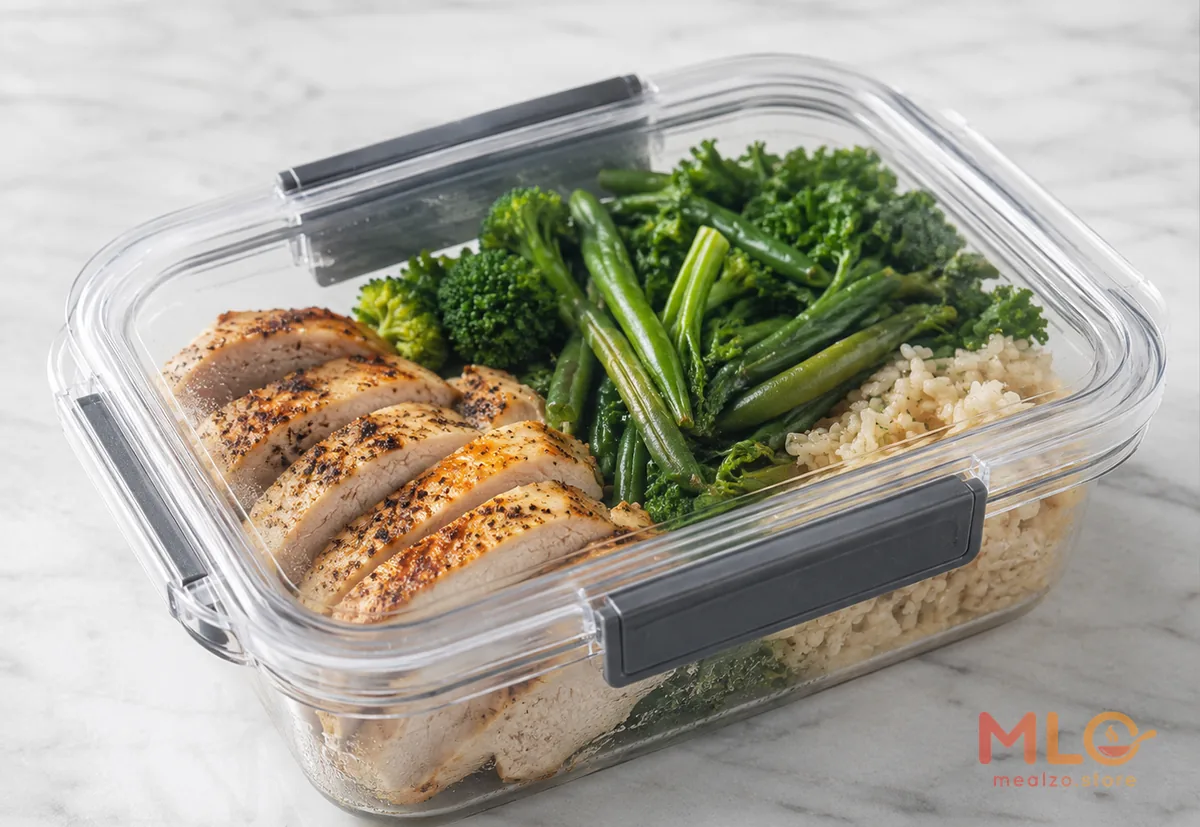
A low-carb diet can sound more complicated than it is. At its simplest, it means eating fewer carbohydrate-rich foods and building more of your meals around protein, vegetables, fats and carefully chosen sources of carbohydrate. There is no single low-carb menu that everyone has to follow.
That flexibility is also what separates low-carb eating from a ketogenic diet. Keto is a much more restrictive approach designed to keep carbohydrate intake low enough for the body to rely heavily on ketones as an alternative fuel source. A low-carb diet does not necessarily aim for ketosis at all.
For someone living in Bangkok, the practical distinction matters. Rice, noodles, sweet drinks, sauces, fruit, street food and convenience meals can all contribute carbohydrates. You do not have to remove every one of them to eat lower carb, but you do need to understand where carbohydrates are coming from.
These low carb diet basics are therefore less about declaring certain foods forbidden and more about adjusting proportions, choosing meals deliberately and deciding how restrictive you actually want your diet to be.
1. What Does a Low-Carb Diet Actually Mean?
A low-carb diet reduces the contribution of carbohydrate-rich foods compared with a person's usual way of eating. That normally means smaller portions or less frequent servings of foods such as rice, noodles, bread, pastries, sugary drinks and desserts.
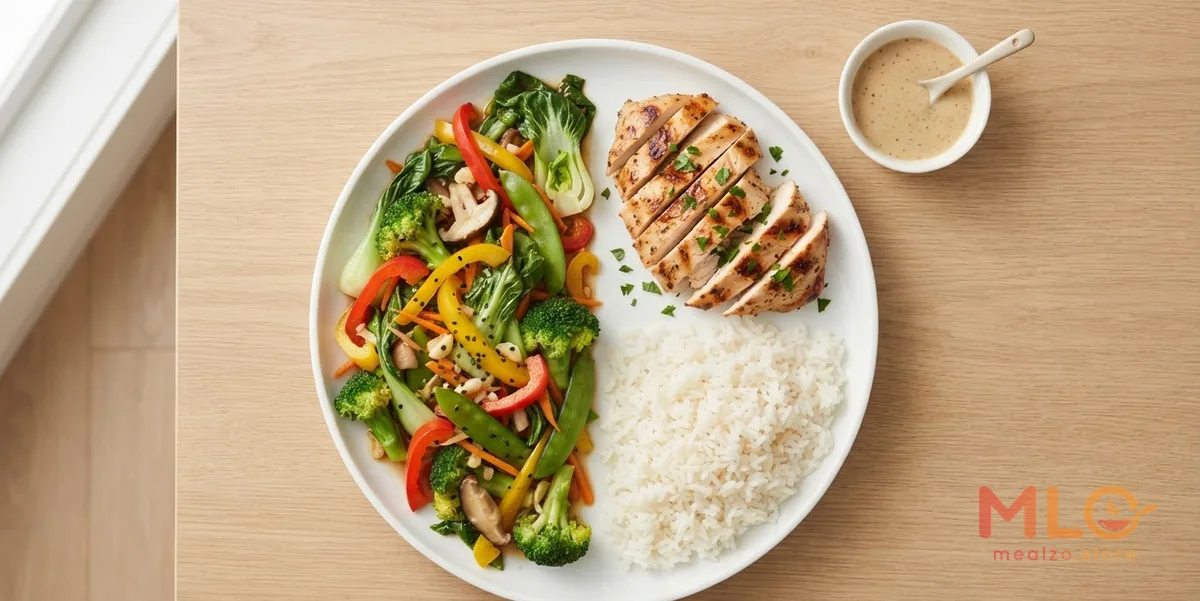
What replaces those foods matters. Simply removing rice from lunch without changing anything else can leave a meal surprisingly small. A more useful approach is to rebuild the plate with a substantial protein source, plenty of non-starchy vegetables, an appropriate amount of fat and, where desired, a smaller carbohydrate portion.
Typical foods that can fit comfortably into a lower-carb pattern include:
- eggs, fish, chicken, pork, beef and other protein-rich foods
- tofu and other suitable plant proteins
- leafy vegetables, mushrooms, cucumber, cabbage and similar vegetables
- nuts and seeds
- avocado and other whole-food sources of fat
- smaller portions of rice, noodles, fruit or legumes when they fit the chosen level of carbohydrate restriction
Low-carb is therefore a category rather than one precise diet. Two people can both describe their diets as low-carb while eating noticeably different amounts of carbohydrate.
Key takeaway: Low-carb eating reduces carbohydrates, but it does not require eliminating them or reaching ketosis.
2. Low-Carb and Keto Are Not the Same Diet
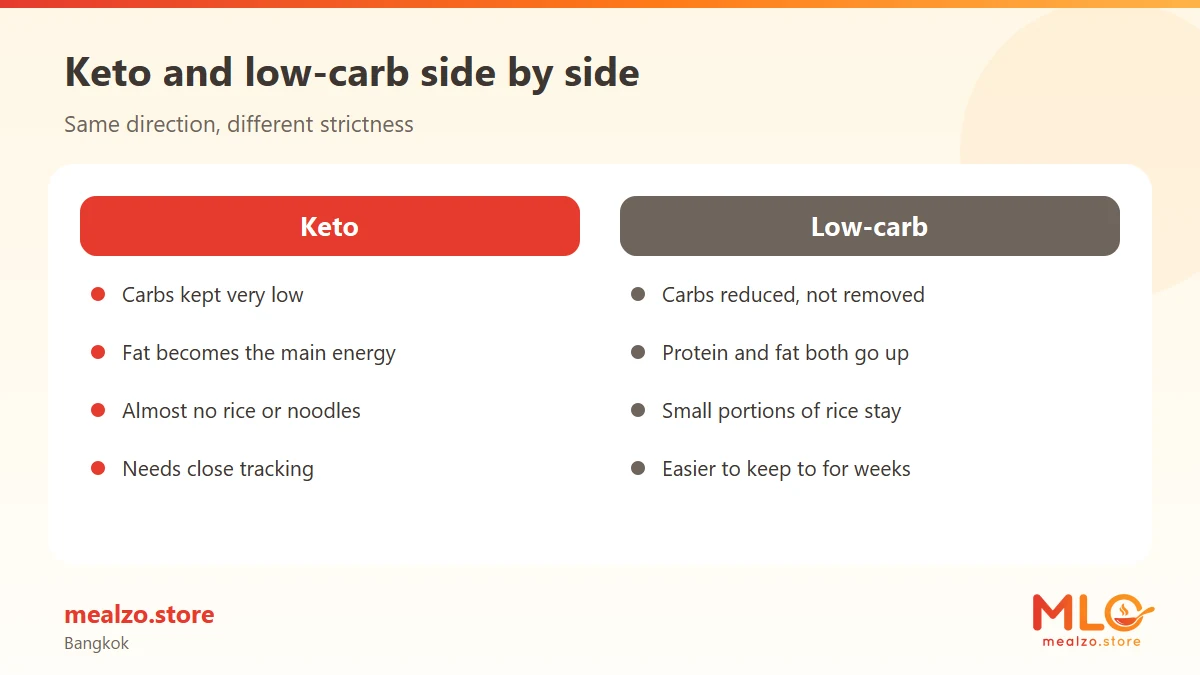
The most useful distinction is purpose. A general low-carb diet reduces carbohydrate intake. A ketogenic diet reduces it much more aggressively with the specific intention of creating and maintaining nutritional ketosis.
That changes food choices considerably.
| Feature | Low-carb diet | Keto diet |
|---|---|---|
| Main approach | Reduce carbohydrate intake | Restrict carbohydrates enough to support ketosis |
| Carbohydrates | Limited but often still included | Much more tightly restricted |
| Rice and noodles | Small portions may fit | Usually difficult to include regularly |
| Fruit | Some fruit may fit depending on the plan | Selection and portions usually need tighter control |
| Flexibility | Generally higher | Generally lower |
| Ketosis required | No | Yes |
| Eating out | Often easier to adapt | Usually requires closer checking |
A low-carb lunch, for example, might still contain a modest serving of rice. A keto lunch would normally need to treat that rice very differently because even an ordinary portion can conflict with the diet's metabolic goal.
For a more detailed side-by-side comparison, the complete keto versus low-carb guide looks at how the two approaches differ in structure, food choices and day-to-day practicality.
3. Why Carbohydrate Quality Still Matters
Reducing carbohydrates does not make every low-carb meal nutritionally equivalent.
A plate dominated by processed meat and added fat with almost no vegetables is technically capable of being low in carbohydrates. That does not automatically make it a sensible everyday meal. Low-carb eating still benefits from variety, adequate protein and foods that contribute fibre, micronutrients and texture.
It is also useful to distinguish between carbohydrate sources rather than treating them as interchangeable. Sweetened drinks, desserts and heavily refined snacks behave differently in a normal diet from vegetables, legumes, intact grains or whole fruit.
The goal does not have to be "eat as little carbohydrate as possible." A more practical question is which carbohydrate foods deserve space in your diet and how much of that space makes sense for you.
A better way to think about the plate
Instead of starting with a large rice or noodle portion and filling the remaining space around it, start with protein and vegetables. Add carbohydrate afterward according to the level of restriction you want.
That simple reversal often makes low-carb meal planning much easier.
4. Building a Practical Low-Carb Plate
A useful low-carb meal does not need special ingredients. The proportions are simply different from a conventional carbohydrate-centred plate.
| Part of the meal | Practical role | Examples |
|---|---|---|
| Protein | Provides the main structural component of the meal | Chicken, fish, eggs, tofu, beef, pork |
| Non-starchy vegetables | Adds volume, fibre, texture and variety | Greens, cabbage, cucumber, mushrooms, broccoli |
| Fat | Contributes flavour and energy | Nuts, seeds, avocado, cooking oils |
| Carbohydrate | Optional or reduced portion depending on the plan | Rice, noodles, potatoes, fruit, legumes |
This format is intentionally flexible. Someone who trains frequently, for example, may choose to keep more carbohydrate around demanding sessions. Someone who mainly wants to reduce sugary drinks and oversized rice portions may make a much smaller adjustment.
There is no prize for making a diet unnecessarily restrictive.
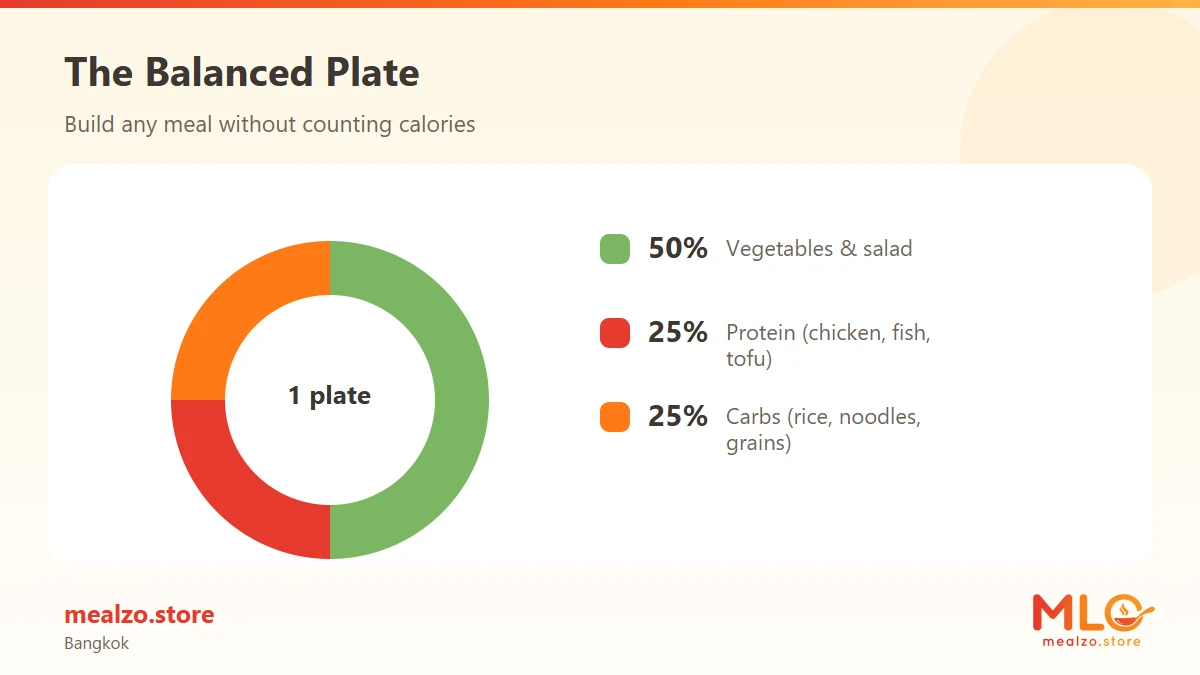
Key takeaway: A sustainable low-carb plate is usually built by changing proportions, not simply deleting the carbohydrate side dish.
5. Low-Carb Eating in Bangkok
Bangkok is both easy and difficult for low-carb eating. Protein and vegetables are widely available, but many familiar dishes also contain rice, noodles, sugar or sauces that are difficult to judge by appearance alone.
A grilled meat dish with vegetables may look straightforward until a sweet marinade, dipping sauce or glaze is added. Stir-fries can contain sugar in seasoning. Soups may be relatively low in obvious starch while still being served with noodles or sweetened condiments.
Useful everyday adjustments can include:
- ordering less rice rather than automatically removing it
- choosing grilled, boiled or stir-fried protein dishes instead of meals built primarily around noodles
- adding vegetables where practical
- asking for sauces separately when possible
- treating sweet drinks as a carbohydrate source rather than as a neutral beverage
- checking whether apparently savoury sauces contain significant sugar
Thai food is not inherently incompatible with low-carb eating. The challenge is that carbohydrates are sometimes less visible than a bowl of rice. common hidden carbohydrates in Thai food covers sauces, drinks and other sources that are easy to overlook.
6. Protein Becomes More Important When Carbs Come Down
When people reduce carbohydrates, they often concentrate on what they are removing and pay too little attention to what remains.
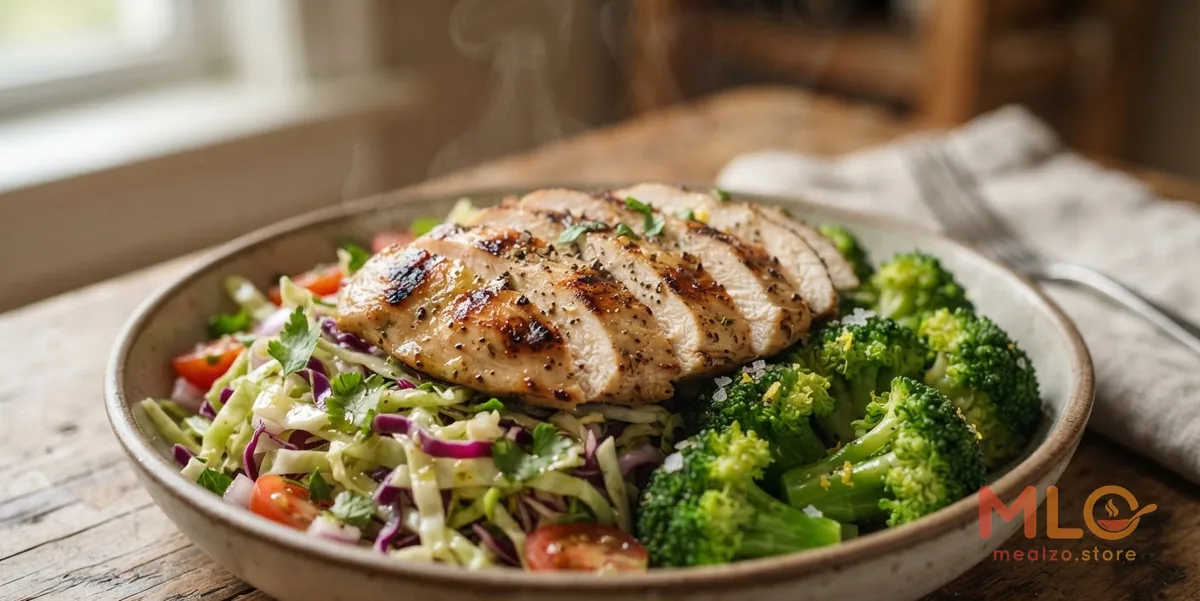
Protein deserves deliberate attention. It gives meals structure and helps prevent the common low-carb mistake of replacing every missing carbohydrate calorie with fat.
A low-carb breakfast, for example, does not need to mean coffee plus something fatty. Eggs with vegetables, tofu with greens, or another protein-centred meal can provide a more complete foundation.
The same principle applies at lunch and dinner. Choose the protein first. Then arrange vegetables, fats and any carbohydrate portion around it.
Low-carb eating can therefore include relatively lean meals as well as richer ones. It is not synonymous with eating unlimited cheese, bacon, butter or oil.
7. Fat Is Part of the Diet, but More Is Not Always Better
Reducing carbohydrates changes where dietary energy comes from. Some additional fat is common, particularly if rice, noodles, bread and similar foods are reduced substantially.
But low-carb and keto are often confused precisely because people assume both require extremely high-fat meals.
A moderate low-carb diet gives you considerably more freedom. You can use fats for cooking, flavour and satiety without making them the centre of every plate.
Foods such as nuts, seeds, avocado and oils can fit. So can naturally fattier cuts of meat or fish. Portion awareness still matters because fat is energy-dense, and adding it mechanically to every meal can change total energy intake considerably.
If your main interest is strict carbohydrate restriction rather than general low-carb eating, keto diet macros and everyday food choices explains why fat plays a different role in ketogenic meal planning.
8. Common Low-Carb Mistakes
Most difficulties with low-carb eating are less dramatic than people expect. They usually come from poor planning or from making the diet stricter than necessary.
Cutting carbohydrates without replacing the meal
Removing rice or noodles from a plate can leave too little food. Add protein and vegetables rather than simply accepting a smaller meal.
Assuming low-carb means unlimited fat
Fat can replace some of the energy removed with carbohydrates, but that is not the same as adding butter, oil or cheese without considering the rest of the meal.
Forgetting drinks and sauces
A plate can look low-carb while the accompanying iced drink or sweet dipping sauce changes the picture substantially.
Avoiding vegetables because they contain carbohydrates
Many vegetables contain some carbohydrate, but automatically excluding them makes the diet unnecessarily narrow.
Turning one meal into an all-or-nothing test
If lunch includes more rice than planned, the diet has not somehow failed. The next meal can simply return to the intended pattern.
Key takeaway: The most common low-carb problems come from poor substitutions and hidden carbohydrates, not from a single imperfect meal.
9. Low-Carb Versus Keto in Normal Life
The right level of restriction depends partly on how much structure you want.
| Situation | Low-carb | Keto |
|---|---|---|
| Social meals | Usually easier to accommodate | Requires more careful choices |
| Small rice portion | Often possible | Frequently difficult to fit |
| Occasional fruit | Generally easier | More limited |
| Tracking | Can be relatively light | Usually requires closer attention |
| Main objective | Reduce carbohydrate intake | Maintain a ketogenic dietary pattern |
| Flexibility over time | Higher | Lower |
Someone who eats with colleagues, orders from restaurants and occasionally wants fruit or rice may find moderate low-carb eating easier to integrate into normal Bangkok life.
Someone deliberately following keto may accept the extra restriction because ketosis itself is part of the goal.
Neither label tells you whether the overall diet is suitable for you. Personal preferences, activity, appetite, medical circumstances and previous eating habits all matter.
10. What About Low-Carb for Weight Management?
Low-carb diets are often discussed in the context of weight management, but carbohydrate reduction is not a guarantee of a particular result.
One reason low-carb eating can change total energy intake is structural. Large portions of rice, noodles, baked goods, desserts and sweet drinks can contribute substantial energy. Reducing those foods may lower overall intake if they are not replaced fully by other energy-dense foods.
But the reverse is possible too. A person can reduce carbohydrates and compensate with large quantities of cheese, fatty meat, nuts, sauces and oils. The diet may then contain as much or more energy than before.
That is why dietary pattern and portion size still matter.
For a broader look at calories, meal structure and sustainable approaches in the city, the guide to weight-loss meal plans in Bangkok places low-carb eating alongside other ways of organising meals.
11. Making Low-Carb Easier to Maintain
The best starting point is usually not maximum restriction. Decide what you are actually trying to change.
Perhaps breakfast pastries are the problem. Perhaps lunch comes with more rice than you want. Perhaps sweet drinks have become automatic. Perhaps you prefer keeping carbohydrates at one meal rather than spreading them throughout the day.
Choose a structure that you can recognise without turning every meal into a calculation.
A simple routine might be:
- build each main meal around a clear protein source
- make vegetables a normal part of lunch and dinner
- choose deliberately when rice, noodles or other starches are worth including
- keep drinks mostly unsweetened
- pay attention to sauces and condiments
- adjust portions according to appetite, activity and the rest of the day's food
Meal planning can remove some of the daily decision-making. Mealzo includes a Low-Carb plan among its 12 plans, alongside Balanced, Weight Loss, High Protein, Vegetarian, Vegan, Keto, Gluten Free, Easy-to-Digest, Pescatarian, No Fish & Seafood, and Dairy & Egg Free options.
There are six daily calorie levels: 1200, 1500, 1800, 2000, 2200 and 2500 kcal, with either 3 or 5 meals per day and packages lasting 3, 7, 14 or 30 days. Delivery across Bangkok is available in morning 06:00-09:00 or evening 17:00-20:00 windows.
The app also includes a calorie calculator based on the Mifflin-St Jeor formula. It provides an estimate rather than medical advice. Customers can declare allergens from nine allergen groups; dishes containing a declared allergen are then excluded from assignment to that customer. This mechanism should not be interpreted as a guarantee that a meal is allergen-free.
You can compare the available formats through Mealzo low-carb and other meal plans if preparing and portioning every meal yourself is becoming the main obstacle.
A low-carb diet works best as a defined eating pattern rather than a collection of prohibitions. Know which foods you are reducing, know what will replace them, and keep enough flexibility for the way you actually live.
FAQ
Do I have to stop eating rice on a low-carb diet?
No. A moderate low-carb diet can include rice if the portion fits your overall eating pattern. Reducing the serving and increasing protein and vegetables is often more practical than removing rice completely. Keto is different because carbohydrate intake is restricted much more tightly.
Is low-carb automatically healthier than a normal diet?
No. The label describes carbohydrate intake, not overall diet quality. A low-carb diet can contain plenty of vegetables, varied proteins and sensible fats, or it can be dominated by highly processed foods and excessive added fat. The complete meal pattern matters more than the label.
Can fruit fit into a low-carb diet?
Often, yes. The amount and type depend on how restrictive your approach is and what else you eat. Moderate low-carb eating usually allows more flexibility with fruit than keto because maintaining ketosis is not the objective.
Is keto simply a stricter version of low-carb?
Keto belongs within the broader low-carbohydrate family, but the difference is more than degree. Keto is specifically structured to support nutritional ketosis. General low-carb eating reduces carbohydrates without requiring that metabolic state.
Do I need to count every carbohydrate?
Not necessarily. Some people prefer tracking because they want precise control, while others can create a moderate low-carb pattern by controlling portions and choosing meals carefully. Strict keto normally demands more attention to carbohydrate intake than a flexible low-carb diet.
Is low-carb appropriate for everyone?
No single dietary pattern suits everyone. Activity level, food preferences, medical circumstances, medications and personal history can affect what is appropriate. People managing a medical condition, taking medication affected by dietary changes, or considering a major restriction should discuss it with an appropriate healthcare professional.
Find a Meal Plan That Fits
Compare Mealzo plans or use the calculator to explore meal options for your needs.