Hidden Carbs in Thai Food: Sauces, Drinks and Common Traps
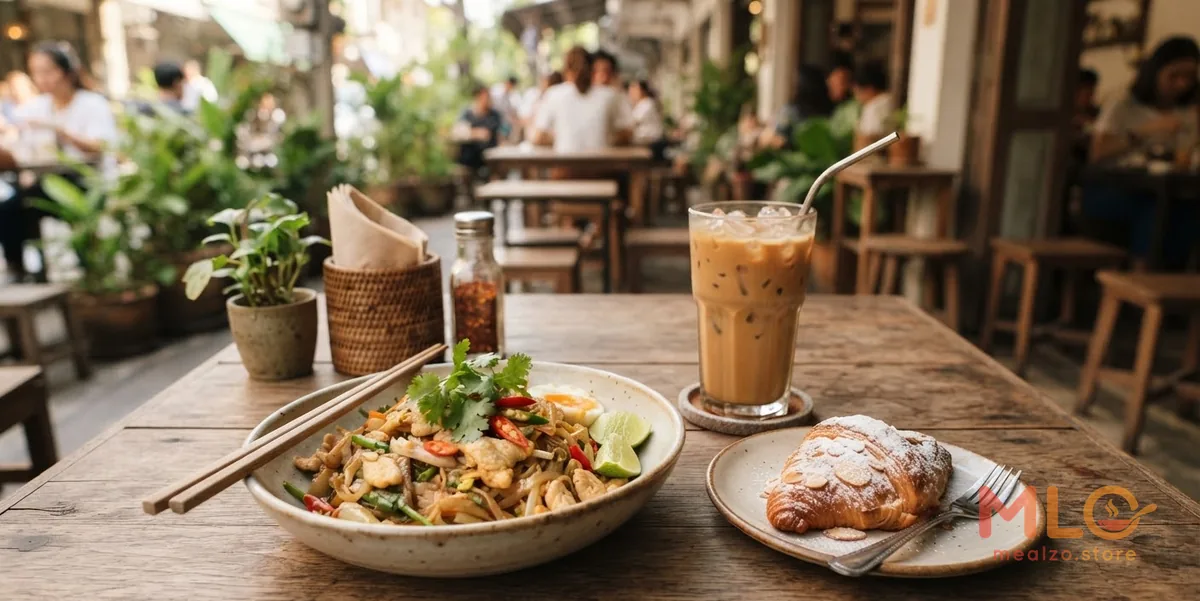
Thai food can fit comfortably into many different eating styles, including lower-carbohydrate approaches. The difficulty is not usually the obvious bowl of jasmine rice or plate of noodles. Those are easy to see. The less obvious carbohydrates are often mixed into sauces, marinades, drinks and condiments that barely register as part of the meal.
That matters because a dish that looks mostly like grilled meat, seafood or vegetables can still contain added sugar, sweetened sauce or a starch-thickened dressing. None of this makes Thai food "bad." Sweetness, acidity, salt, heat and umami are part of the balance that gives many Thai dishes their character.
The useful skill is learning where carbohydrates tend to hide, deciding which ones actually matter to you, and knowing when a modification is worth making. Someone eating a generally balanced diet does not need to interrogate every teaspoon of sauce. Someone following keto or a deliberately low-carb plan may need to pay much closer attention.
Understanding hidden carbs in Thai food therefore works better than simply memorising a list of dishes to avoid.
1. What Counts as a Hidden Carb?
A hidden carbohydrate is simply a source of carbohydrate that is easy to overlook because it is not the main starch on the plate.
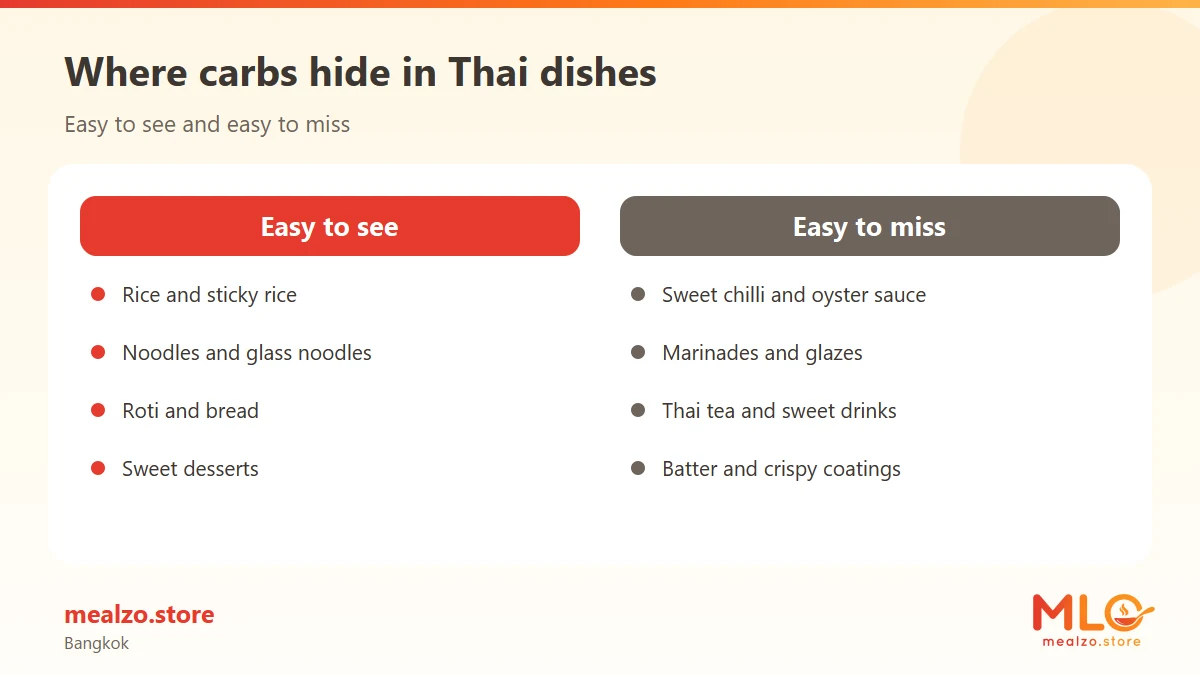
Rice, rice noodles, bread and sticky rice are obvious carbohydrate sources. A spoonful of sweet chilli sauce is less obvious. So is sugar dissolved into a stir-fry sauce, condensed milk in coffee, a sweetened marinade or starch used to thicken a glossy sauce.
Common sources include:
- Sugar added during cooking
- Sweet sauces and bottled condiments
- Sweetened drinks, tea and coffee
- Condensed or evaporated milk mixtures
- Starch used as a thickener
- Sweet marinades
- Fruit juices and blended fruit drinks
- Large quantities of naturally carbohydrate-containing ingredients
The amount matters. A small splash of a sauce is different from a dish served in a pool of sweet glaze. Context also matters. Someone eating 150 grams of cooked rice does not need to pretend that a small amount of onion is the central carbohydrate issue.
Key takeaway: Hidden carbohydrates matter most when they are repeated, concentrated or added to foods you otherwise assume are very low in carbohydrate.
2. Thai Sauces Are Often Where the Surprise Starts
Thai cooking frequently builds flavour by combining salty, sour, spicy and sweet elements. The sweetness may come from palm sugar, white sugar, sweetened bottled sauces or prepared seasoning mixtures.
That balance is one reason a simple stir-fry can taste far more complex than the ingredient list suggests.
Some sauces are more relevant than others.
| Sauce or condiment | What to watch for |
|---|---|
| Fish sauce | Usually used mainly for salt and umami; check packaged products if carbohydrate intake must be tightly controlled |
| Oyster sauce | Commonly contains sweetening and may contain starch or other carbohydrate ingredients |
| Sweet chilli sauce | Typically designed to be sweet as well as spicy |
| Hoisin-style sauces | Generally sweet and concentrated |
| Soy sauce | Often relatively low in carbohydrate, although formulations vary |
| Teriyaki-style sauces | Usually contain substantial sweetness compared with plain soy sauce |
| Tamarind-based sauce | Tamarind itself contributes carbohydrate and recipes often add sugar |
| Peanut sauce | Can combine peanuts with sugar, coconut milk and other sweet ingredients |
The point is not to eliminate sauce. It is to recognise that "chicken and vegetables" does not automatically describe the whole nutritional structure of a stir-fry.
When ordering, a practical request such as "less sugar" or "sauce on the side" may be more useful than trying to turn a traditional dish into something it was never designed to be.
For a broader explanation of how carbohydrates fit into different approaches, comparing keto and low-carb eating can help clarify how strict you actually need to be.
3. Sugar Can Appear in Savoury Dishes
People often associate sugar with dessert, but Thai cooking uses it as a seasoning as well.
A little sugar can round out acidity, soften chilli heat and balance fish sauce. In dishes such as pad kra pao, stir-fried vegetables, grilled meat marinades and dipping sauces, sweetness may be present even when the dish does not taste obviously sugary.
This becomes more significant when several components contain added sweetness at the same time. A meal might include:
- Meat cooked in a sweetened sauce
- A sweet dipping sauce
- Rice or noodles
- A sweetened drink
- A dessert or fruit drink afterwards
Individually, each addition may seem modest. Together they can change the overall carbohydrate load considerably.
This is one reason focusing only on the rice portion can be misleading.
Key takeaway: In savoury Thai food, sweetness often functions as seasoning rather than dessert, so taste alone is not a reliable guide to carbohydrate content.
4. Stir-Fries: The Main Ingredient Does Not Tell the Whole Story
A plate of stir-fried chicken, pork, beef, prawns or tofu can look like an obvious lower-carb choice. Sometimes it is. Sometimes the cooking sauce changes the picture.
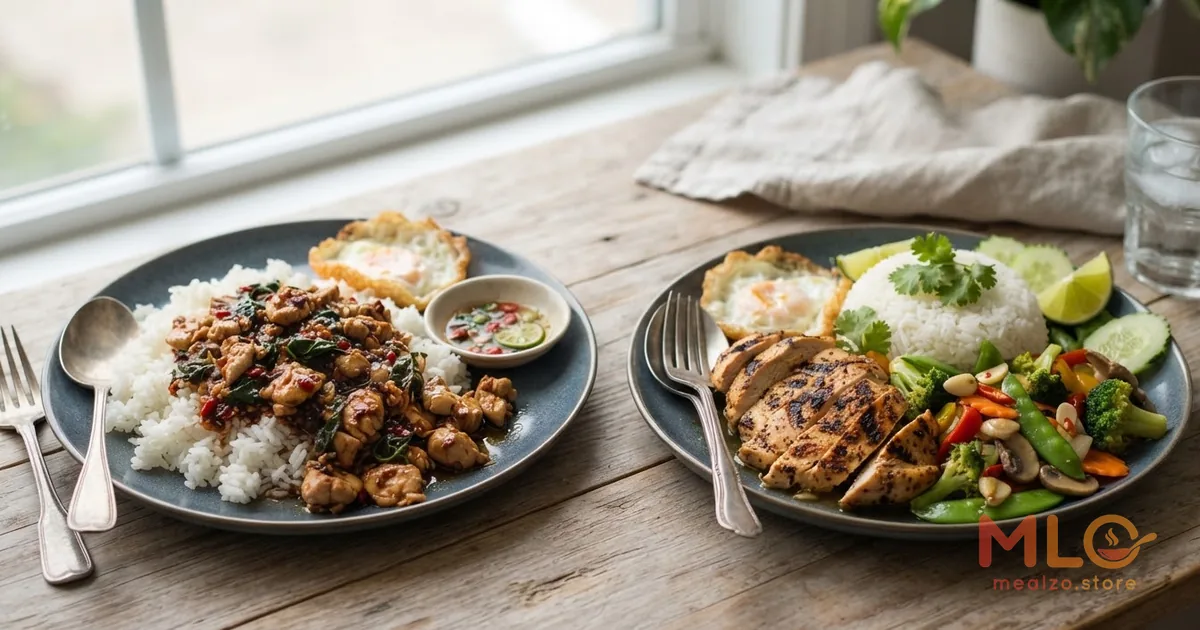
Pad kra pao is a good example. The core ingredients may include minced meat, holy basil, chilli and garlic. Depending on the kitchen, the sauce can also contain soy sauce, oyster sauce, seasoning sauce and sugar.
The same principle applies to dishes such as cashew chicken, black-pepper stir-fries and mixed vegetables in oyster sauce.
If you are deliberately limiting carbohydrate, useful requests include:
- Ask for less sugar
- Request no added sugar where the kitchen can accommodate it
- Ask for sauce to be used lightly
- Order rice separately so you control the portion
- Choose a simple protein-and-vegetable preparation when precision matters
There is a trade-off. Removing sweetness entirely can alter the flavour balance of a dish. "Less sugar" is often a more realistic restaurant request than expecting every Thai recipe to become keto.
Anyone following a stricter approach should also understand the basic rules and common mistakes of a keto diet before treating restaurant meals as reliably ketogenic.
5. Curries: Not All Carbohydrates Come From Rice
Thai curries are often discussed mainly in terms of coconut milk, but the carbohydrate question is more complicated.
Coconut milk contains some carbohydrate, although it is more notable for its fat content. Curry pastes can contain ingredients such as shallots, garlic and aromatics that contribute smaller amounts of carbohydrate. More importantly, many prepared curries include added sugar as part of the seasoning.
Different curries are also built differently. Green curry, red curry, massaman curry and panang curry should not be treated as nutritionally interchangeable simply because they are all called "curry."
Massaman curry, for example, commonly includes potatoes and may include peanuts, making the visible carbohydrate sources more substantial. Other curries may contain vegetables that contribute less carbohydrate but still use sweetened seasoning.
Rice remains another separate decision.
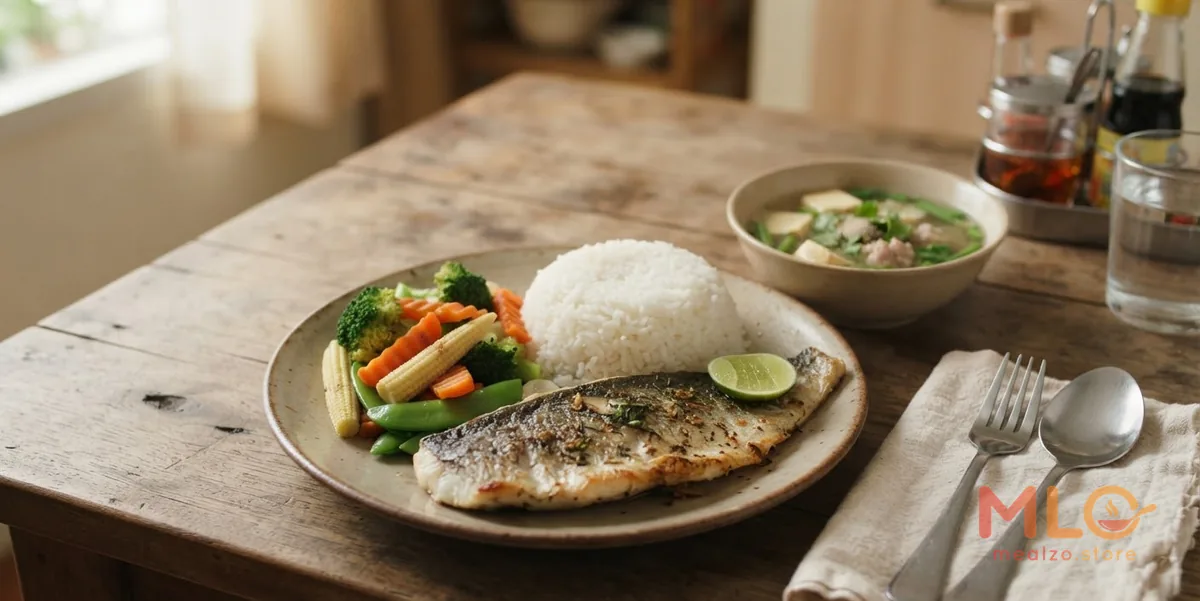
A useful way to think about the plate is to separate the components: curry base, protein, vegetables, obvious starch and added condiments. That gives a much clearer picture than assigning the entire dish a label such as "low-carb" or "not low-carb."
6. Drinks Can Contain More Carbohydrate Than You Expect
For many people, drinks are the easiest hidden carbohydrate source to overlook because they do not feel like food.
Thai iced tea is deliberately sweet. Thai-style iced coffee may also contain sugar, condensed milk or other sweetened ingredients. Bubble tea, milk tea and many café drinks can combine several carbohydrate sources in one cup.
Fruit-based drinks deserve similar attention. A smoothie made from mango, banana, pineapple or other fruit is not nutritionally equivalent to drinking water alongside a meal. The fruit contributes naturally occurring carbohydrate, and shops may also add syrup, sugar, sweetened yoghurt or milk products.
Common drinks worth checking include:
| Drink | Common carbohydrate sources |
|---|---|
| Thai iced tea | Sugar and sweetened milk ingredients |
| Thai iced coffee | Sugar, condensed milk or sweetened creamer |
| Milk tea | Sweetened tea base, milk products and possible toppings |
| Fruit smoothie | Fruit plus possible added syrup or sugar |
| Fresh juice | Naturally occurring fruit sugars, sometimes added sweetener |
| Soft drinks | Added sugar unless a sugar-free version is chosen |
| Coconut water | Naturally occurring carbohydrate |
| Plain water or unsweetened tea | Usually the simplest option when carbohydrate control matters |
If the meal itself already includes rice, noodles or a sweet sauce, a sweet drink can become another substantial carbohydrate source without adding much satiety.
Choosing water, soda water, unsweetened tea or coffee without added sugar is one of the least disruptive adjustments.
Key takeaway: When checking hidden carbs in Thai food, look at the glass as carefully as the plate.
7. Noodle Dishes Have Both Visible and Hidden Carbohydrates
With noodle dishes, the noodles are obviously the main carbohydrate source. The less visible issue is that the sauce can add more.
Pad Thai illustrates this clearly. Rice noodles provide the obvious starch, while the sauce traditionally combines tamarind, fish sauce and sweetness. Peanuts, tofu, egg, bean sprouts and other ingredients contribute additional flavour and texture, but reducing the sauce does not turn the noodles themselves into a low-carb food.
Pad see ew follows a similar pattern. Wide rice noodles are the main carbohydrate source, while the dark, savoury-sweet seasoning contributes more.
This distinction is useful because it prevents unrealistic modifications. Asking for "no sugar" in pad Thai may reduce added carbohydrate, but the fundamental dish still centres on rice noodles.
If you want an eating pattern that reduces carbohydrates without pushing them extremely low, how a low-carb diet differs from keto explains why moderate restriction and ketogenic eating are not the same thing.
8. Dipping Sauces Can Quietly Change a Simple Meal
Grilled chicken, seafood or pork can be relatively straightforward until the dipping sauces arrive.
Thai nam jim sauces vary widely. Some are sharp, salty and chilli-heavy. Others contain a meaningful amount of sugar. Sweet chilli sauce is the clearest example, but seafood sauces, grilled-meat dips and bottled table sauces may also contain sweetness.
This does not mean you need to eat grilled chicken dry.
Instead, consider how much sauce you actually use. Dipping lightly is different from pouring half a bowl over the plate. Requesting sauce on the side preserves the intended flavour while giving you control.
The same logic applies to salads. Som tam, yum woon sen and many other Thai salads depend on strongly seasoned dressings. Som tam, for example, commonly balances lime, fish sauce, chilli and sugar. The green papaya itself also contributes carbohydrate.
If your goal is simply to eat a little lighter, portion management may matter more than removing every gram of sugar. managing portions, sauces and snacks in Thai food looks at that broader context.
9. "Healthy-Looking" Foods Are Not Automatically Low-Carb
Some of the most common misunderstandings happen when people confuse fresh, natural or nutritious food with low-carbohydrate food.
Fruit is a good example. Mango, pineapple, banana, watermelon and dragon fruit can all be part of a balanced diet, but they still contain carbohydrate. A large fruit bowl is not a low-carb meal simply because it contains no refined sugar.
The same applies to:
- Sweetened yoghurt
- Granola
- Fruit smoothies
- Coconut water
- Cashews and some nut-heavy dishes
- Sweetened plant-based drinks
- Sauces labelled "natural"
This is where dietary goals need to stay clear. If you are eating a balanced diet, none of these foods necessarily needs to disappear. If you are trying to keep carbohydrate intake low enough for a ketogenic approach, the threshold is much tighter.
A food can be perfectly reasonable in one diet and unsuitable for another.
10. How to Order Lower-Carb Thai Food Without Making It Miserable
The easiest strategy is not to redesign every dish. Start with the biggest carbohydrate sources.
Choose a protein and vegetable dish, decide what you want to do with rice or noodles, then look at sauces and drinks.
Useful restaurant requests might include:
- "Less sugar, please"
- "Sauce on the side"
- "Less sauce"
- "No sweet drink"
- "Rice separately"
- "Extra vegetables instead of part of the rice," where available
You do not need to ask five questions about every plate. If your approach is flexible, concentrate on the obvious sources first. If you are following keto, restaurant uncertainty becomes more important because small additions can accumulate.
For people who want tighter control without analysing every restaurant meal, prepared meals can make ingredient and portion decisions more predictable. When evaluating that option, what to check before choosing keto meal delivery in Bangkok covers the practical questions worth asking.
11. Hidden Carbs Matter Differently on Keto, Low-Carb and Balanced Diets
The phrase "hidden carbs" can sound more dramatic than it needs to.
On a balanced eating plan, a little sugar in a sauce may be a minor part of the overall meal. The more relevant questions may be portion size, how much rice is served, whether vegetables are present, and what you drink alongside it.
On a low-carb diet, sauces and drinks deserve more attention because you are deliberately reducing total carbohydrate intake.
On keto, the margin is narrower. Sweetened sauces, milk drinks and marinades that seem insignificant in ordinary eating can make it harder to maintain the carbohydrate restriction the diet requires.
This is why the same Thai meal can make sense for one person and not another.
| Eating approach | Main practical concern |
|---|---|
| Balanced | Overall meal composition and portions |
| Low-carb | Reduce major starches and watch sauces, drinks and snacks |
| Keto | Carbohydrates from sauces, marinades, drinks and small additions become more significant |
| Flexible restaurant eating | Focus on the largest sources rather than chasing perfect precision |
Key takeaway: The stricter your carbohydrate target, the more attention small ingredients deserve; for everyone else, the largest sources usually matter first.
12. A Practical Way to Handle Bangkok Eating
Bangkok makes it easy to eat frequently outside the home. Street stalls, food courts, cafés, office lunches and delivery apps are part of normal life, so a plan that depends on perfect nutritional information at every meal is difficult to sustain.
A more workable approach is to decide how much precision you actually need.
If you are eating generally balanced meals, keep portions sensible, choose unsweetened drinks more often, and pay attention to dishes that combine noodles, sweet sauce and sugary drinks in the same meal.
If you are intentionally low-carb, reduce the obvious starch first and ask for lighter seasoning when appropriate.
If you are following keto, ingredient uncertainty becomes more important. A dish that appears keto-friendly from its main ingredients may not be keto-friendly after the marinade, sauce and drink are included.
Mealzo offers Balanced, Weight Loss, High Protein, Vegetarian, Vegan, Keto, Low-Carb, Gluten Free, Easy-to-Digest, Pescatarian, No Fish & Seafood, Dairy & Egg Free plans. Customers can choose 1200, 1500, 1800, 2000, 2200 or 2500 kcal per day, with 3 or 5 meals and packages lasting 3, 7, 14 or 30 days.
Delivery is available across Bangkok in morning windows from 06:00-09:00 or evening windows from 17:00-20:00. The app also includes a calorie calculator based on the Mifflin-St Jeor formula; it provides an estimate rather than medical advice.
Customers declare allergens from nine allergen groups, and the assignment system excludes dishes containing a declared allergen from being assigned to that customer. That describes the matching mechanism rather than guaranteeing an allergen-free meal.
You can compare the available options through Mealzo meal plans in Bangkok.
The larger lesson is simple. Thai food does not need to be avoided to manage carbohydrates. You just need to distinguish the rice you can see from the sugar, sauces and drinks you might otherwise forget to count.
FAQ
Which Thai sauces are most likely to contain hidden carbs?
Sweet chilli sauce, oyster sauce, hoisin-style sauces, peanut sauces and tamarind-based sauces are among the most obvious places to look. Recipes and commercial formulations vary, so the same sauce name does not guarantee an identical carbohydrate content everywhere.
Is fish sauce high in carbohydrates?
Fish sauce is primarily used for saltiness and umami and is generally not one of the major carbohydrate sources in a Thai meal. However, packaged seasoning products and prepared sauces can differ, so anyone following a very strict carbohydrate target should check the actual product rather than assuming every bottle is identical.
Can I eat Thai food on a low-carb diet?
Yes, but the easiest choices usually involve controlling rice, noodles, sweetened sauces and drinks rather than trying to eliminate every carbohydrate-containing ingredient. Grilled proteins, eggs, seafood and many vegetable dishes can fit more easily when sauces and starch portions are managed.
Is Thai curry low-carb?
It depends on the curry and how it is prepared. Coconut-based curries can still contain added sugar, vegetables, curry-paste ingredients and sometimes obvious starches such as potatoes. Rice served alongside the curry is another separate carbohydrate source.
Are Thai fruit smoothies a good low-carb choice?
Usually not if carbohydrate intake is being deliberately restricted. Fruit itself contains carbohydrate, and smoothies may also include sugar, syrup, sweetened yoghurt or milk products. Asking for no added sugar reduces one source but does not remove the carbohydrate naturally present in the fruit.
What is the easiest hidden carb to cut when eating out in Bangkok?
Sweetened drinks are often the simplest place to start because changing the drink usually does not alter the meal itself. After that, controlling rice or noodles and asking for less sweet sauce can reduce carbohydrate intake without requiring major changes to the style of food you enjoy.
Find a Meal Plan That Fits
Compare Mealzo plans or use the calculator to explore meal options for your needs.