Thai Food and Weight Loss: Managing Portions, Sauces and Snacks
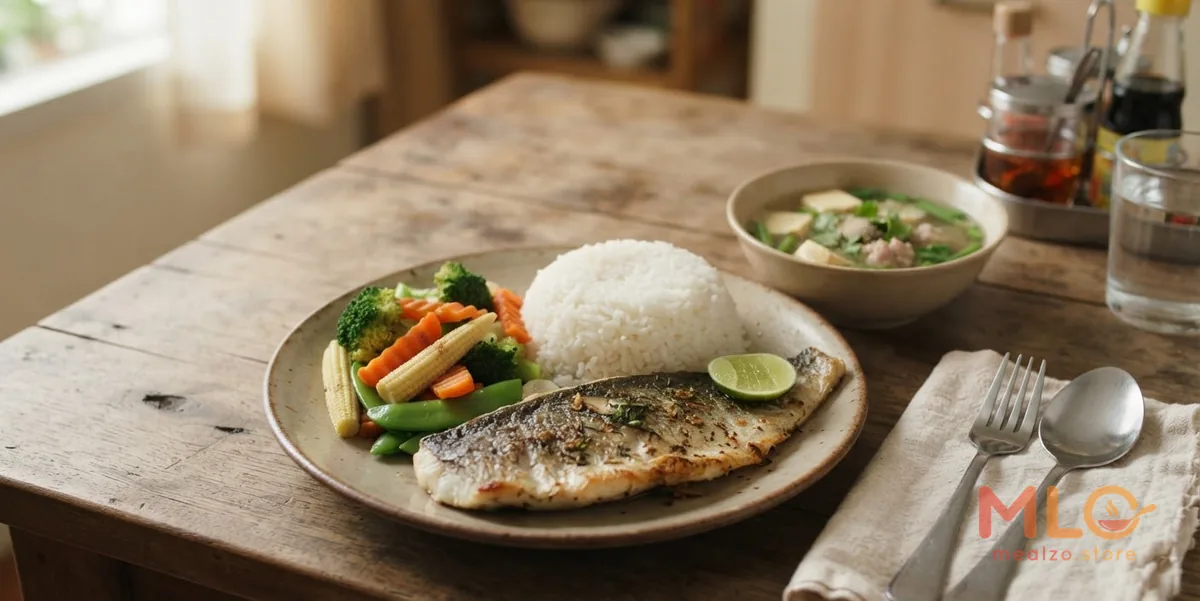
Thai food can fit perfectly well into a weight-loss diet. The difficult part is rarely a single ingredient. It is usually the combination of rice, noodles, cooking oil, sweetened sauces, fried toppings, drinks and snacks that makes a meal more energy-dense than it first appears.
That does not mean you need to replace Thai food with plain chicken breast and steamed broccoli. Bangkok is one of the easiest places to eat varied, satisfying food, but portion sizes and preparation methods matter. A bowl of tom yum, a plate of pad kra pao and a green curry can all play different roles depending on how much rice comes with them and what else you eat that day.
The useful question is therefore not whether Thai food is "good" or "bad" for weight loss. It is how to build meals that are filling enough, enjoyable enough and predictable enough to support a calorie deficit without turning normal eating into a permanent exercise in restraint.
Thai food for weight loss works best when you pay attention to the parts of the meal that are easy to overlook: serving size, sauces, added oil, liquid calories and the snacks eaten between meals.
1. Start with the calorie deficit, not the cuisine
Body weight changes are influenced by energy balance. If your average calorie intake stays below the amount your body uses, body weight tends to move downward over time. The exact rate varies, and everyday fluctuations in water, digestion and sodium can temporarily hide what is happening.
Thai cuisine does not change that basic mechanism. A traditional Thai meal can be relatively light or extremely energy-dense depending on preparation and portion size.
This is why replacing one cuisine with another is often less useful than understanding the structure of your meals. Someone can eat only salads and still consume more energy than intended if those salads contain generous dressings, fried toppings and large portions. Someone else can regularly eat rice and Thai curries while keeping overall intake more moderate.
For a fuller explanation of the underlying mechanism, see how a calorie deficit works in practice.
Key takeaway: Weight loss depends more on total energy intake over time than on whether the food is Thai, Western or anything else.
2. Control the rice before cutting it out
Rice is one of the easiest parts of a Thai meal to adjust because it is visible, measurable and usually served separately.
It is also something many people enjoy enough that removing it completely can make meals less satisfying. That can create its own problems later, especially if a very light lunch is followed by grazing throughout the afternoon.
A more practical approach is often to keep rice but change its proportion on the plate.
| Meal pattern | What it tends to look like | More controlled approach |
|---|---|---|
| Large rice plate | Rice dominates the plate | Reduce rice and increase vegetables or protein |
| Curry with rice | Rice refilled automatically | Decide the rice portion before starting |
| Fried rice | Rice, oil and seasoning combined | Choose a smaller portion and add a lean protein or vegetable dish |
| Rice plus several shared dishes | Easy to keep serving yourself | Plate one serving rather than eating continuously from shared bowls |
You do not need to weigh every grain. Even simple visual consistency helps. If today's lunch contains twice as much rice as yesterday's while the rest of the meal is similar, calorie intake will probably be higher.
Rice is therefore less of a problem than unplanned rice.
3. Be more careful with sauces than with spices
Thai food is full of strong flavors, and that is useful when you are trying to eat satisfying meals without relying entirely on large portions. Chilli, lime, herbs, garlic, ginger and aromatic spices add plenty of character.
Sauces are different. Some contribute sugar, oil or both, and the amount used can vary enormously from one kitchen to another.
Common examples worth paying attention to include:
- sweet chilli sauce
- sweetened fish-sauce mixtures
- oyster-based stir-fry sauces
- peanut sauces
- sugary dipping sauces
- coconut-based curry sauces
- glazes used on grilled or fried meat
This does not mean these sauces are forbidden. The issue is that several tablespoons can be added almost invisibly, especially in stir-fries and restaurant meals.
If you want to understand where these calories and carbohydrates often hide, hidden carbs in Thai sauces, drinks and everyday dishes covers the problem in more detail.
Ask for sauce separately when it makes sense
For salads, grilled meats and dipping sauces, asking for sauce on the side can make portion control much easier. You still get the flavor, but you decide how much actually goes onto the food.
With stir-fries and curries, this is not always practical because the sauce is part of the cooking process. In those cases, portion size becomes more important.
4. Build the meal around protein and vegetables
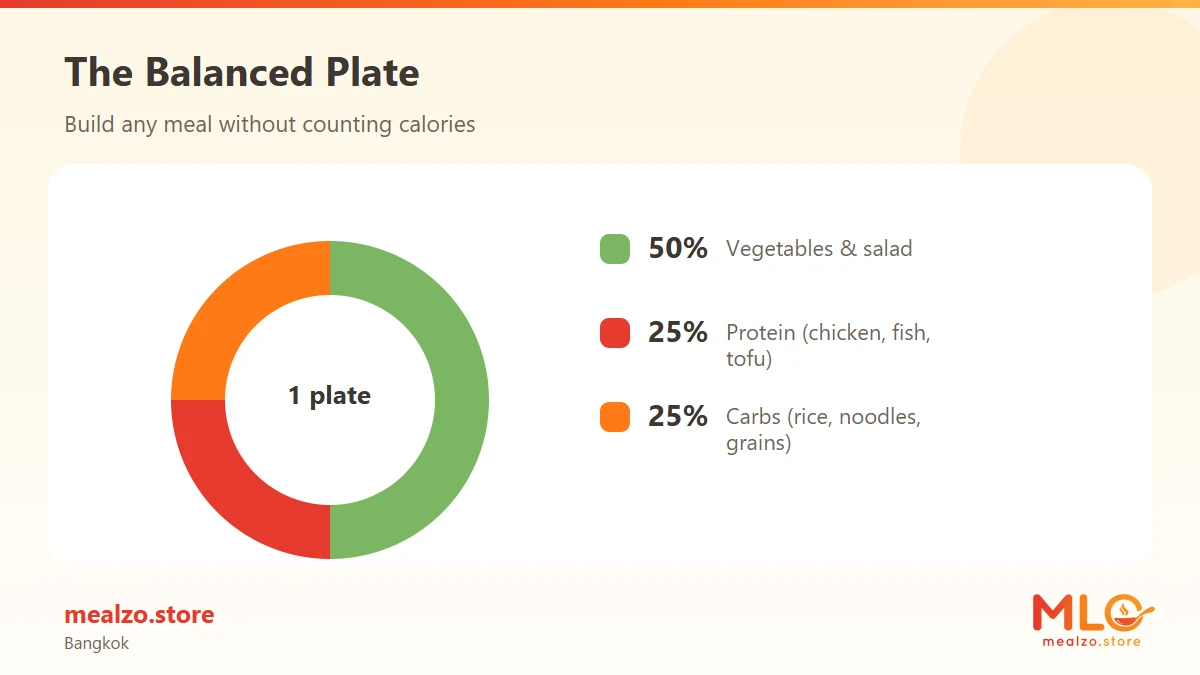
A useful way to approach Thai food for weight loss is to think about what takes up most of the plate.
Meals tend to feel more substantial when they include a meaningful serving of protein and plenty of vegetables. These foods also create more volume than a plate dominated by rice, noodles or fried batter.
Possible protein choices include grilled chicken, fish, prawns, eggs, tofu, leaner cuts of meat and protein included in soups or stir-fries.
Vegetables can come from stir-fries, soups, salads, curries or simple side dishes.
A practical plate might contain:
- one solid protein serving
- a generous vegetable portion
- a moderate serving of rice or noodles
- sauce or curry in a controlled amount
This is not a rigid formula. Some meals will naturally contain more starch, and shared Thai meals often do not divide neatly into separate components. The principle is simply to prevent rice, noodles or fried food from becoming the entire meal.
Key takeaway: Protein and vegetables make it easier to build a satisfying meal without relying on a very large portion of rice or noodles.
5. Know the difference between soups, curries and stir-fries
Thai dishes with similar ingredients can have very different calorie densities depending on how they are cooked.
Clear soups are often quite different from coconut curries. A grilled protein dish behaves differently from the same protein deep-fried. A vegetable stir-fry may still contain a meaningful amount of cooking oil.
| Dish style | What can raise calories | What to watch |
|---|---|---|
| Clear soup | Added meat, noodles or sugar in seasoning | Portion of noodles and extras |
| Coconut curry | Coconut milk, oil, sugar | Sauce quantity and rice portion |
| Stir-fry | Cooking oil, sugary sauce | Oil level and serving size |
| Grilled dish | Fatty cuts, sweet marinades | Marinade and dipping sauce |
| Deep-fried dish | Oil absorbed during frying | Portion size and side dishes |
| Thai salad | Sweet dressing, peanuts, fried toppings | Dressing and add-ons |
A coconut curry does not need to disappear from your diet. It simply works better when treated as a richer dish rather than as something you can eat in unlimited quantities because it contains vegetables.
The same applies to stir-fries. "Vegetable stir-fry" can sound automatically light, but the cooking oil still matters.
6. Watch the combination meals
One reason Bangkok eating can become difficult to manage is not that any individual dish is excessive. It is that meals often accumulate.
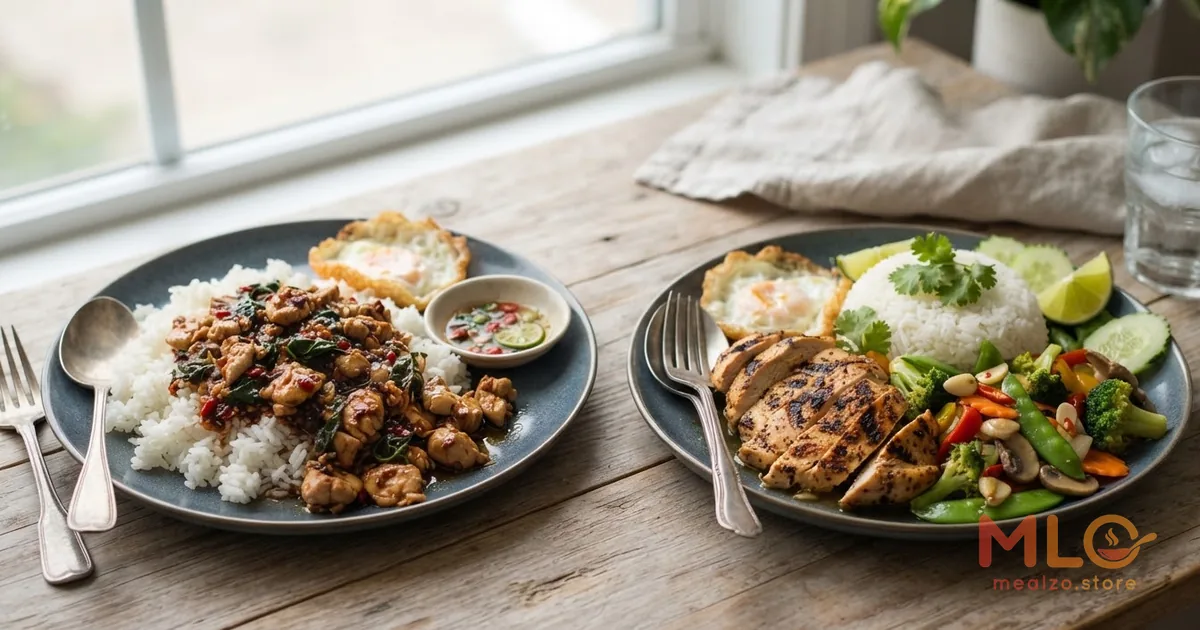
A lunch might start with rice and basil chicken, followed by a sweet iced drink. A colleague shares fried snacks. There is dessert after dinner. None of these decisions feels particularly large by itself.
Taken together, they can make it difficult to maintain the calorie deficit you intended.
Combination meals deserve particular attention:
Rice plus fried protein plus sweet sauce
This is a common high-energy combination because all three components add calories quickly.
Noodles plus fried side dishes
The noodle dish may already contain oil, while spring rolls, fried chicken or fish cakes add another layer.
Curry plus several servings of rice
Rich curry sauce is easy to underestimate when most of the attention goes to the rice.
Rather than banning these meals, decide which part matters most. If you really want fried chicken, perhaps the rest of the plate can be simpler. If you want a rich curry, you may not need a sweet drink and fried starter at the same meal.
7. Drinks can undo careful food choices
Liquid calories are easy to consume quickly and are often less filling than solid food.
Bangkok makes this especially relevant because sweet drinks are everywhere: iced tea, iced coffee, fruit drinks, smoothies and café beverages can all contain significant amounts of sugar or other calorie-containing ingredients.
Water, unsweetened tea and unsweetened coffee are simpler choices when you want your calories to come mainly from food.
That does not mean you can never have Thai milk tea. It means you should count it mentally as part of the meal rather than as something that does not matter.
A useful rule is to avoid automatically pairing every meal with a sweet drink. Sometimes the meal is enough.
8. Snacks matter more than people think
A person can eat three sensible meals and still struggle to create a calorie deficit if snacks are frequent and unplanned.
Bangkok offers food constantly. Convenience stores, cafés, street stalls and delivery apps make it easy to eat simply because something is available.
Common examples include:
- fried chicken pieces
- pastries
- sweetened yoghurt
- nuts eaten directly from a large bag
- crisps
- sweet drinks
- desserts
- grilled snacks with sugary sauces
- small portions of food ordered late at night
The issue is not that snacks are inherently bad. Planned snacks can be useful, especially for people who prefer smaller meals or have long gaps between meals.
The problem is repeated eating without much awareness of quantity.
If you want snacks, decide in advance what role they serve. Hunger between lunch and dinner is different from eating because you are bored at your desk.
Key takeaway: Small snacks become significant when they happen repeatedly, especially when they are eaten without reducing anything elsewhere.
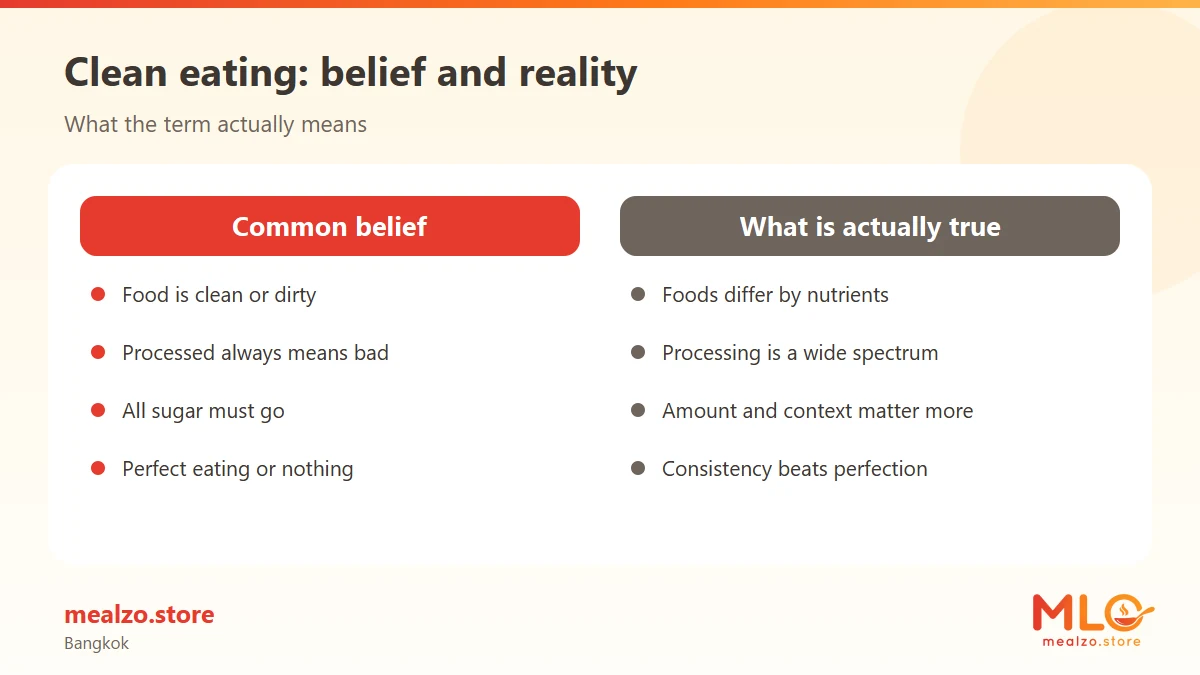
9. "Clean eating" is not the same as eating fewer calories
A meal can be made from wholesome ingredients and still contain more energy than you need.
Avocado, nuts, coconut milk, olive oil, peanut sauce and large portions of rice can all fit into a nutritious diet. They are not automatically low-calorie.
This is where the idea of "clean eating" becomes confusing. Food quality matters, but food quantity still matters too.
For a more complete discussion, see what clean eating actually means and where the idea becomes misleading.
It is usually more useful to ask two separate questions:
- Does this meal contain foods that contribute useful nutrients and variety?
- Does the total portion fit the amount of energy I am trying to eat?
Those questions overlap, but they are not identical.
10. Street food can work if you simplify the order
Street food does not need to disappear when you are trying to lose weight.
The main challenge is that portion sizes and cooking methods are not standardized. One vendor may use considerably more oil or sauce than another, even for the same dish.
This makes precision difficult, but you can still make sensible adjustments.
You might choose grilled rather than fried food, ask for less rice, avoid adding extra sauces automatically, or pair a main dish with a vegetable soup instead of another fried side.
It also helps to avoid turning one street-food stop into several. Bangkok makes it very easy to have "just one more thing" while walking between stalls.
The social side matters too. Food markets are part of normal life. If you enjoy visiting them with friends, it is often better to manage quantity than to avoid the experience entirely.
11. Portion awareness matters more than perfect calorie tracking
Calorie tracking can be useful, but Thai restaurant food is difficult to estimate precisely because recipes vary. The amount of oil, sugar, coconut milk and sauce is rarely visible.
You therefore need some tolerance for uncertainty.
One option is to use recurring meal patterns. If you regularly eat similar breakfasts and lunches, your daily intake becomes easier to understand even if you do not know the exact calorie count of every spoonful.
Another option is to prepare or order meals where calorie amounts are defined more consistently.
Mealzo offers six daily calorie levels: 1200, 1500, 1800, 2000, 2200 and 2500 kcal. Customers can choose three or five meals per day in packages lasting 3, 7, 14 or 30 days. The app also includes a calorie calculator based on the Mifflin-St Jeor formula, which provides an estimate rather than medical advice.
People who want a more structured approach can compare Mealzo meal plans available in Bangkok.
12. Adjust spice for comfort, not for calorie burning
Spicy food is often discussed as though chilli itself can solve weight-loss problems. That is not a useful way to think about it.
Spice mainly affects flavor and eating experience. Some people enjoy very spicy food and feel satisfied with it. Others find strong chilli uncomfortable and may prefer milder meals.
Mealzo offers six spice levels: not spicy, mild, medium, standard, hot and Thai-spicy. The selected level applies to the package and can be changed later.
The best level is the one that lets you enjoy the food consistently. There is no advantage in choosing a level you dislike simply because you assume hotter food must be better for weight loss.
13. Use structure when decision fatigue becomes the problem
Eating well in Bangkok is not difficult because healthy food is unavailable. The harder part is making sensible decisions repeatedly when you are busy, hungry or tired.
Lunch meetings, delivery apps, convenience-store snacks and late dinners all create opportunities to eat more than planned.
Some people handle this well with flexible restaurant choices. Others do better when at least part of the day is predetermined.
A structured meal plan can reduce the number of decisions you need to make. Mealzo offers Balanced, Weight Loss, High Protein, Vegetarian, Vegan, Keto, Low-Carb, Gluten Free, Easy-to-Digest, Pescatarian, No Fish & Seafood, and Dairy & Egg Free plans.
Customers can also declare allergens from nine allergen groups. Dishes containing a declared allergen are not assigned to that customer. This is a meal-assignment mechanism rather than a guarantee that any meal is allergen-free.
Delivery is available across Bangkok, with morning delivery from 06:00-09:00 or evening delivery from 17:00-20:00, from the kitchen in Bang Na.
For a broader overview of how structured plans can fit into a calorie-controlled approach, see the complete guide to weight loss meal plans in Bangkok.
Key takeaway: Structure is useful when it reduces repeated food decisions, but it still needs to fit your appetite, routine and overall calorie needs.
14. Keep Thai food, change the proportions
The most sustainable version of Thai food for weight loss usually looks surprisingly normal.
There is still rice. There can still be curries, noodles, street food and meals with friends. The difference is that portions become more deliberate and richer foods stop being paired automatically with several other calorie-dense extras.
A simple pattern is enough for many meals: choose a protein, include vegetables where practical, keep rice or noodles to a deliberate amount, and pay attention to sauces, fried extras and sweet drinks.
Some days will be higher-calorie than others. Restaurant meals, celebrations and travel make perfect consistency unrealistic. What matters more is the overall pattern across days and weeks.
If your diet requires you to avoid every food you enjoy, the problem may not be Thai food. The plan itself may simply be too rigid.
FAQ
Can I eat Thai food every day and still lose weight?
Yes, Thai food can be part of a calorie-controlled diet. The important variables are total calorie intake, portion size, preparation method and the extras that accompany the main meal. Rice, curries and noodles do not automatically prevent weight loss.
Is rice bad for weight loss?
No. Rice provides calories, so the amount matters, but it does not need to be eliminated. A moderate portion alongside protein and vegetables can fit into many weight-loss diets.
Which Thai dishes are best for weight loss?
There is no universal list because recipes and portions vary. Grilled proteins, clear soups, vegetable dishes and meals with controlled rice portions can be easier to manage, while fried foods, coconut-rich dishes and sweet sauces often require more attention to serving size.
Should I avoid coconut milk?
Not necessarily. Coconut milk can make curries energy-dense, so portion size matters. You can still eat coconut-based curries, but it helps to treat them as richer meals rather than assuming they are light because they contain vegetables or herbs.
Are Thai salads always low in calories?
No. Some Thai salads contain sweet dressing, peanuts, fried toppings or other calorie-dense ingredients. They can still be excellent choices, but the word "salad" does not automatically mean low-calorie.
Do I need to count every calorie?
Not always. Tracking can help some people understand portions, but restaurant meals are difficult to estimate precisely. Consistent serving sizes, predictable meals and attention to obvious sources such as rice, oil, sauces, drinks and snacks can also be useful.
People who are pregnant, breastfeeding, under medical treatment, managing an eating disorder or dealing with another condition affecting nutrition should not rely on a general calorie article to set an intake target. Individual professional advice is more appropriate.
Find a Meal Plan That Fits
Compare Mealzo plans or use the calculator to explore meal options for your needs.