Macronutrients vs Micronutrients: What a Complete Diet Needs
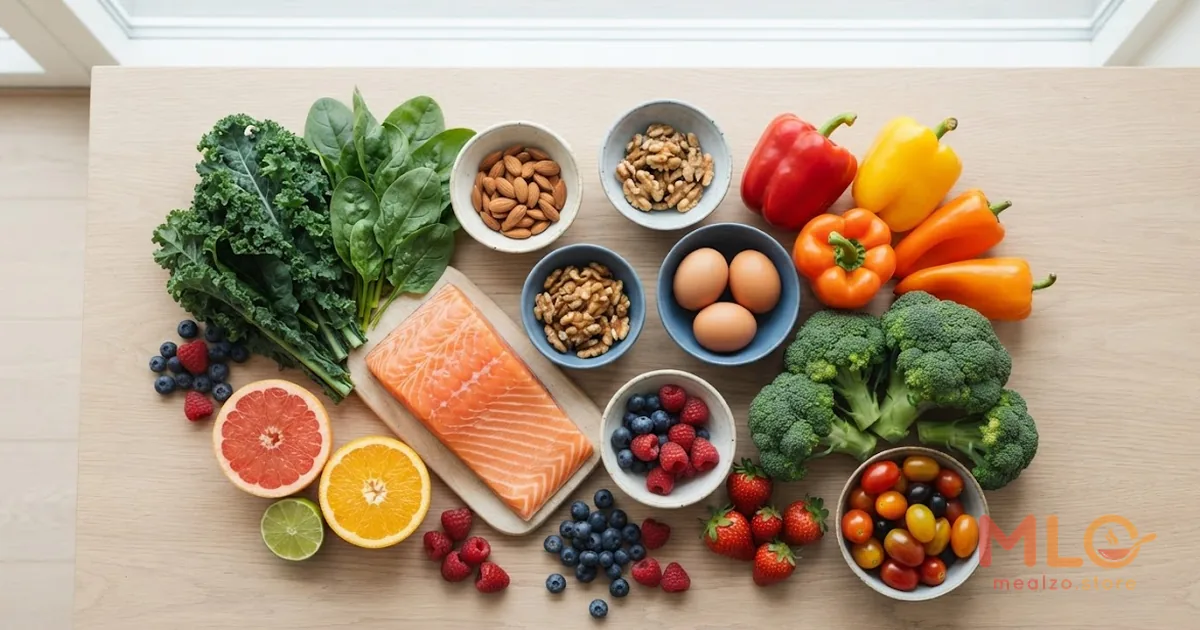
A healthy diet is not just about getting enough protein, keeping carbohydrates under control, or choosing the “right” amount of fat. Those things matter, but they are only one part of the picture.
Food has two major nutritional jobs. First, it provides energy and the building materials your body needs in relatively large amounts. Second, it provides vitamins and minerals that support hundreds of smaller processes happening constantly in the background.
That is the real difference behind macronutrients vs micronutrients.
Macronutrients, protein, carbohydrates, and fats, provide calories and structural materials. Micronutrients, vitamins and minerals, are needed in much smaller quantities, but they help regulate everything from energy metabolism and immunity to muscle function, red blood cell formation, bone health, and nerve signaling.
You need both.
A meal can look impressive on a calorie tracker and still be nutritionally weak. At the same time, a plate full of vegetables without enough protein, energy, or healthy fats may not be particularly balanced either.
The goal is not to turn every meal into a nutrition calculation. It is to understand what a complete diet needs, then build eating habits that cover the basics consistently.
Macronutrients vs Micronutrients: The Simple Difference
The easiest distinction is quantity.
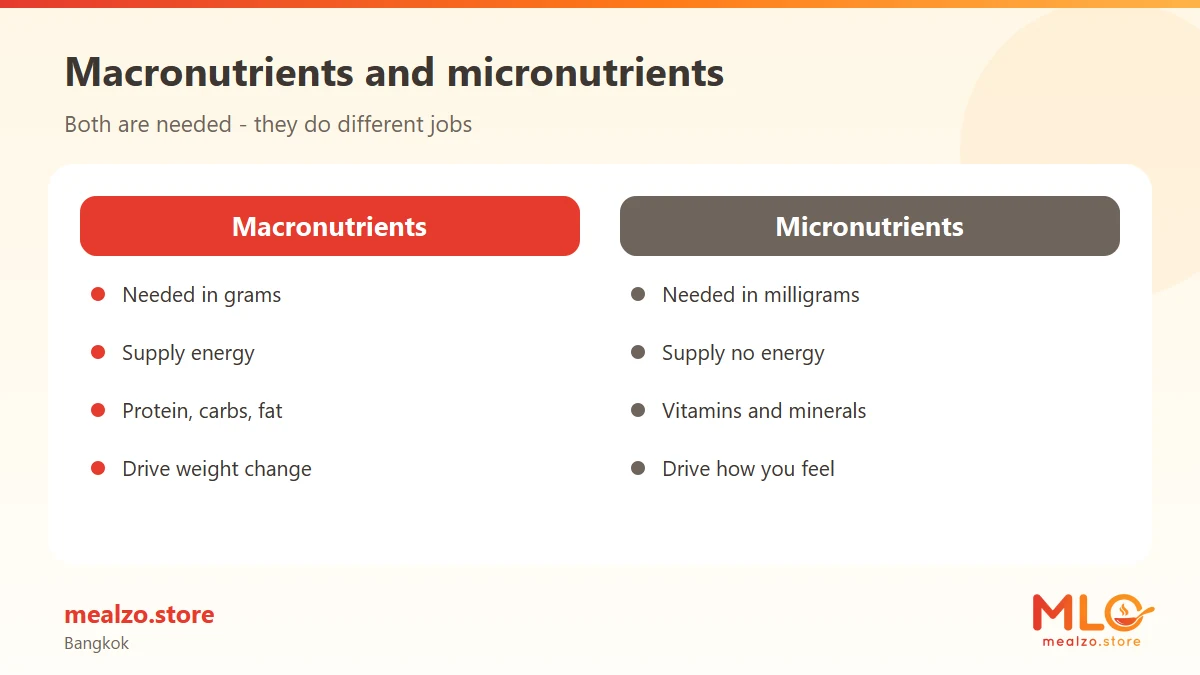
Macronutrients are nutrients your body requires in relatively large amounts:
- Protein
- Carbohydrates
- Fat
They provide energy, structural materials, or both.
Micronutrients are required in much smaller quantities:
- Vitamins
- Minerals
They generally do not provide calories, but they are essential for the processes that allow your body to use food, maintain tissues, produce cells, contract muscles, transmit nerve signals, and keep major systems working normally.
You can think of macronutrients as the fuel and building materials of a house. Micronutrients are more like the wiring, switches, control systems, and small components that make the house function properly.
You would not build a house using only electrical wiring. But a pile of concrete and bricks without functioning systems would not be very useful either.
Nutrition works in much the same way.
What Are Macronutrients?
Key takeaway: Macronutrients supply energy and building materials, while micronutrients support the many processes that keep the body functioning normally.
Macronutrients are the nutrients responsible for most of the calories you consume.
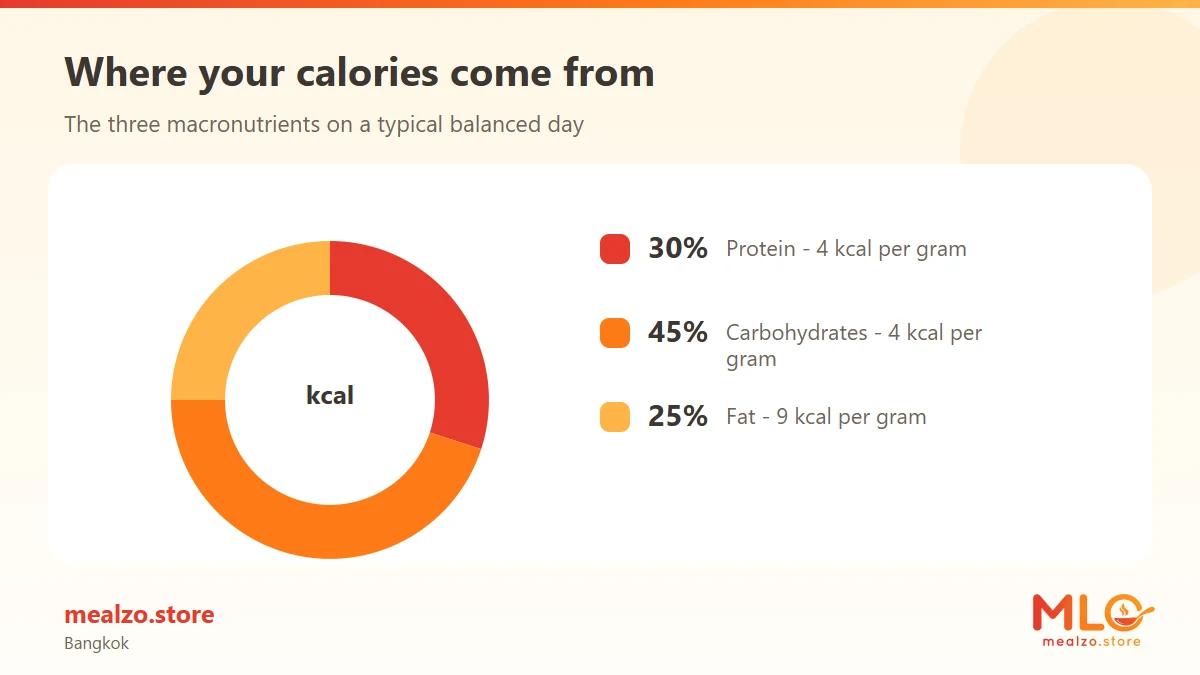
Protein and carbohydrates each provide roughly 4 calories per gram, while fat provides about 9 calories per gram. Alcohol also provides calories, but it is not considered an essential macronutrient because the body does not require it.
Each major macronutrient has a different role.
Protein provides amino acids used to build and maintain muscle, enzymes, hormones, skin, connective tissue, and many other body structures.
Carbohydrates are an efficient source of energy. Foods containing carbohydrates range from rice and fruit to bread, noodles, potatoes, beans, oats, and vegetables.
Fat provides concentrated energy and essential fatty acids. It is also necessary for cell membranes and helps the body absorb the fat-soluble vitamins A, D, E, and K.
If you want a deeper explanation of protein, carbohydrates, fats, calorie contribution, and practical food sources, see our beginner's guide to macronutrients.
The important point is that no single macro works independently. A reasonably balanced diet normally includes all three in proportions that fit the individual's overall needs, preferences, activity, and goals.
What Are Micronutrients?
Micronutrients include vitamins and minerals.
Unlike macronutrients, they are needed in milligrams or even micrograms rather than tens or hundreds of grams per day.
Vitamins include nutrients such as:
- Vitamin A
- B vitamins
- Vitamin C
- Vitamin D
- Vitamin E
- Vitamin K
- Folate
- Vitamin B12
Minerals include nutrients such as:
- Calcium
- Magnesium
- Potassium
- Iron
- Zinc
- Selenium
- Iodine
- Phosphorus
Each one has specific functions.
Iron contributes to normal oxygen transport through red blood cells. Calcium and vitamin D are associated with bone health. Potassium plays an important role in fluid balance, nerve transmission, and muscle function. B vitamins participate in numerous metabolic processes. Vitamin C contributes to collagen formation and antioxidant protection.
These nutrients are needed in smaller amounts than macros, but “smaller” does not mean “less important.”
A tiny missing component can still create a major problem if the body depends on it.
Why Hitting Your Macros Is Not the Same as Eating Well
| Macronutrients | Micronutrients | |
|---|---|---|
| What they are | Nutrients needed in larger amounts | Vitamins and minerals needed in smaller amounts |
| Amounts needed | Relatively large | Relatively small |
| Main job | Energy, structure, growth and repair | Support normal body functions |
| Energy provided | Carbs, protein and fat provide calories | Do not provide calories |
| Examples | Protein, carbohydrates, fats | Iron, calcium, vitamins, magnesium |
| What happens if low | Energy or protein intake may become inadequate | Specific nutrient gaps can develop |
Macro tracking can be useful.
It can help someone understand protein intake, portion size, total calorie intake, or the relationship between food and a specific fitness goal.
But there is a major limitation: macro numbers do not automatically reveal food quality.
Imagine two hypothetical days that contain similar amounts of protein, carbohydrates, fat, and total calories.
One includes chicken, eggs, rice, mixed vegetables, fruit, yogurt, nuts, beans, and fish.
The other relies heavily on refined bread, protein shakes, processed meat, sweets, and packaged snack foods.
On a simplified macro tracker, the totals might look surprisingly similar.
Nutritionally, the two days can be very different.
The first is likely to provide a broader range of fiber, vitamins, minerals, plant compounds, and varied food sources. The second could technically “fit the macros” while providing far less nutritional variety.
That is why macro targets should be treated as one layer of diet quality, not the complete definition of a healthy diet.
Micronutrient Density Matters More Than Most People Realize
A useful concept here is nutrient density.
Nutrient-dense foods provide meaningful amounts of vitamins, minerals, fiber, protein, beneficial fats, or other valuable nutrients relative to their calorie content.
Examples include:
- Vegetables
- Fruit
- Eggs
- Fish and seafood
- Lean meats
- Dairy or fortified alternatives
- Beans and lentils
- Nuts and seeds
- Whole grains
- Soy foods
This does not mean every food you eat must be extremely nutrient dense.
Diet quality is created by the overall pattern.
A bowl of white jasmine rice, for example, may not contain the same micronutrient density as leafy vegetables or legumes. But it can still fit perfectly well into a balanced meal when combined with protein, vegetables, and appropriate fats.
That is especially relevant in Bangkok, where rice and noodles are normal everyday staples rather than foods that need to be treated as nutritional mistakes.
The better question is not, “Is this food perfect?”
It is, “What does the whole meal provide?”
The Three Macronutrients and Their Micronutrient Connections
Key takeaway: Meeting calorie and macro targets does not automatically guarantee enough vitamins and minerals.
Macronutrients and micronutrients are usually discussed separately, but real foods contain them together.
A piece of salmon provides protein and fat, but it also supplies micronutrients.
Eggs provide protein and fat along with vitamins and minerals.
Lentils provide carbohydrates and protein while contributing iron, folate, potassium, magnesium, and other nutrients.
A serving of fruit contains carbohydrates but may also provide vitamin C, potassium, folate, and plant compounds.
This is why food choice matters even when two foods occupy the same macro category.
For example, both sugary cereal and oats are carbohydrate-rich foods, but their fiber and micronutrient profiles can differ substantially.
Likewise, protein from fish, eggs, tofu, dairy, legumes, poultry, and meat brings different combinations of micronutrients.
Variety within each macronutrient category helps broaden nutrient coverage.
Why Vegetables Cannot “Fix” an Unbalanced Diet by Themselves
Vegetables are important, but nutrition advice sometimes gives them almost magical status.
Adding broccoli or spinach to a meal does not automatically make the whole diet complete.
Someone can eat plenty of vegetables and still fall short on protein, calories, omega-3 fats, vitamin B12, calcium, iron, or other nutrients depending on what the rest of the diet looks like.
The opposite is also true.
A high-protein diet made mostly from chicken breasts, rice, protein powder, and very few fruits or vegetables may deliver enough protein and calories while lacking nutritional variety.
A complete eating pattern therefore needs several categories working together:
protein-rich foods, carbohydrate sources, appropriate fats, vegetables, fruit, and other nutrient-dense foods.
Instead of trying to make one “superfood” carry the whole diet, it is far more effective to distribute nutritional responsibility across different foods.
How to Build Meals That Cover Both Macros and Micronutrients
| Nutrient | Why it matters | Common food sources |
|---|---|---|
| Iron | Supports oxygen transport | Meat, legumes, leafy greens |
| Calcium | Supports bones and muscle function | Dairy, tofu, leafy greens |
| Vitamin D | Supports calcium use and normal body functions | Eggs, fatty fish, fortified foods |
| Vitamin C | Supports antioxidant functions and collagen formation | Citrus, guava, peppers, broccoli |
| Magnesium | Supports muscles and normal metabolism | Nuts, seeds, whole grains, greens |
| B12 | Supports red blood cells and normal nerve function | Meat, fish, eggs, dairy, fortified foods |
You do not need laboratory-level precision.
A practical balanced meal usually contains several components:
A clear protein source provides amino acids and often several important vitamins and minerals.
A carbohydrate source provides energy and may also contribute fiber and micronutrients depending on the food chosen.
Vegetables add volume, fiber, vitamins, minerals, and variety.
A moderate source of fat improves satiety, contributes essential fats, and assists with the absorption of fat-soluble vitamins.
Fruit, dairy, legumes, nuts, seeds, eggs, seafood, and other foods can then fill nutritional gaps across the day.
For a practical visual framework, how to build a balanced plate explains how to combine protein, vegetables, carbohydrates, and fats without weighing every gram.
The major advantage of this approach is simplicity.
Instead of asking, “Did I get exactly 350 mg of magnesium today?” you build a food pattern that repeatedly includes foods known to provide a broad spectrum of nutrients.

Food Variety Is Nutritional Insurance
Eating the same healthy meal every day may be convenient, but excessive repetition can narrow your nutrient intake.
Chicken, rice, and broccoli is a classic example.
There is nothing wrong with that meal. It provides protein, carbohydrates, fiber, and several micronutrients.
But eating nearly identical foods every day means you repeatedly receive the nutrients those foods provide while potentially missing nutrients found in other foods.
Rotate protein sources:
chicken one day, fish another, eggs, tofu, legumes, lean beef, seafood, yogurt, or other suitable choices.
Rotate vegetables too.
Dark leafy greens offer a different nutritional profile from carrots, tomatoes, mushrooms, pumpkin, cabbage, bell peppers, or green beans.
Use different fruits across the week.
Alternate rice with potatoes, oats, whole grains, beans, noodles, or other carbohydrate sources when practical.
You do not need dozens of ingredients every day. Variety across several days is already useful.
Think weekly rather than obsessively meal by meal.
Common Foods That Help Cover Important Micronutrients
Key takeaway: A varied diet built from different protein sources, vegetables, fruits, grains and other whole foods makes broader nutrient coverage easier.
No single food contains everything, but several common foods can contribute significantly to micronutrient intake.
Dark leafy vegetables can provide folate, vitamin K, carotenoids, magnesium, and other nutrients.
Orange and yellow vegetables such as pumpkin and carrots are known for carotenoids, including precursors the body can convert to vitamin A.
Fruit contributes varying combinations of vitamin C, potassium, folate, fiber, and plant compounds.
Fish and seafood can provide protein alongside nutrients such as iodine, selenium, vitamin B12, and, depending on the species, vitamin D and omega-3 fats.
Eggs provide protein, fats, choline, selenium, vitamin B12, and other nutrients.
Dairy foods can contribute protein, calcium, phosphorus, vitamin B12, and sometimes vitamin D when fortified.
Legumes such as lentils, chickpeas, kidney beans, and mung beans provide carbohydrates, plant protein, fiber, iron, folate, potassium, and magnesium.
Nuts and seeds offer fats, protein, magnesium, vitamin E, zinc, selenium, and other minerals depending on the variety.
This is one reason balanced eating often becomes easier when you stop categorizing foods only as “protein,” “carbs,” or “fat.”
Foods are nutritional packages.
Does a Plant-Based Diet Provide Enough of Both?
A plant-based diet can provide excellent nutrition, but it benefits from planning.
Plant foods can provide carbohydrates, protein, healthy fats, fiber, potassium, magnesium, folate, vitamin C, vitamin E, and a wide range of other nutrients.
However, some nutrients require more attention.
Vitamin B12 is a major example because reliable natural plant sources are extremely limited. Iron and zinc may also require thoughtful food selection because their absorption differs between plant and animal sources. Calcium, iodine, vitamin D, omega-3 fats, and total protein can also deserve attention depending on the exact eating pattern.
The important distinction is between simply removing animal foods and deliberately constructing a nutritionally complete diet.
Someone eating rice, noodles, vegetables, fruit, tofu, legumes, nuts, seeds, and appropriate fortified foods has a very different nutritional pattern from someone living mostly on bread, fries, sweet drinks, and occasional vegetables.
For a more complete approach, see a well-planned plant-based diet.
The Most Common Macronutrient and Micronutrient Mistakes
Most problems are not caused by one terrible meal. They come from patterns repeated for weeks or months.
One mistake is prioritizing protein so aggressively that food variety disappears. Protein is important, but eating almost nothing except lean protein and a narrow set of side dishes is not automatically optimal nutrition.
Another is cutting carbohydrates unnecessarily. Removing fruit, legumes, grains, or starchy vegetables can reduce food variety and make it harder to obtain enough fiber and certain micronutrients.
A third is avoiding fat too aggressively. Extremely low-fat eating can make meals less satisfying and may reduce intake of essential fatty acids while also affecting absorption of fat-soluble vitamins.
Another common mistake is assuming a multivitamin makes diet quality irrelevant. Supplements can be useful in specific situations, but they do not reproduce the complete nutritional profile of whole foods.
Then there is eating “clean” but eating too little. Even highly nutritious foods cannot compensate for chronically inadequate energy or protein intake.
Finally, many people eat a very narrow selection of apparently healthy foods. The problem is not that those foods are bad. The problem is lack of variety.
You Do Not Need to Track Every Vitamin and Mineral
Nutrition apps can make it tempting to monitor everything.
Protein.
Carbohydrates.
Fat.
Fiber.
Iron.
Calcium.
Magnesium.
Potassium.
Vitamin C.
Vitamin D.
Every gram. Every milligram. Every meal.
For most healthy people, that level of tracking is unnecessary and can turn eating into a permanent accounting exercise.
A better strategy is to build a repeatable meal structure.
Include a meaningful protein source in major meals.
Eat vegetables regularly and vary the types.
Include fruit.
Use carbohydrate foods that fit your lifestyle and energy needs.
Include suitable sources of dietary fat.
Rotate protein sources.
Include legumes, whole grains, nuts, seeds, dairy or alternatives, seafood, eggs, or other nutrient-rich foods as appropriate for your diet.
Once that basic pattern is consistent, detailed nutrient tracking becomes much less important for everyday eating.
A Balanced Meal Is More Useful Than a “Perfect” Food
Nutrition conversations often focus on individual foods.
Is rice healthy?
Are eggs healthy?
Is coconut milk healthy?
Are noodles bad?
Is fruit too sugary?
Those questions miss the broader structure.
Consider a Thai-style meal built around rice, grilled chicken or tofu, mixed vegetables, herbs, and a sauce containing some fat.
The rice supplies carbohydrate.
The chicken or tofu contributes protein.
The vegetables add fiber and micronutrients.
The fat contributes energy, flavor, satiety, and helps with the absorption of fat-soluble nutrients.
Now compare that with eating only grilled chicken because it is “high protein,” or only vegetables because they are “healthy.”
The mixed meal is usually more nutritionally complete.
That is why our balanced meal plan guide focuses on overall meal structure rather than chasing isolated nutritional rules.
Why Balanced Meals Are Especially Practical in Bangkok
Bangkok makes healthy eating both easy and complicated.
The city offers enormous food variety: rice dishes, noodles, curries, seafood, grilled meats, soups, vegetables, fruit, tofu, eggs, international cuisine, cafés, convenience stores, and food delivery at almost every hour.
That variety creates opportunities.
It also makes it easy for busy professionals to construct an entire day from disconnected foods: coffee in the morning, a pastry during a meeting, a large noodle dish at lunch, snacks in the afternoon, then takeaway late at night.
The issue is not that any single food is forbidden.
The issue is that the day may never form a balanced nutritional pattern.
A simple mental check can help:
Where is the protein?
Where are the vegetables?
Have I eaten fruit?
Is there a reasonable carbohydrate source?
Am I getting some healthy fats?
Have my meals contained different colors and food types today?
Those questions tell you far more about diet quality than asking whether lunch had 52 or 57 grams of carbohydrates.
How MEALZO Approaches Macros and Micronutrients
For people who understand the principle but do not want to plan, shop, portion, cook, and calculate every meal themselves, meal-plan delivery can remove much of the daily friction.
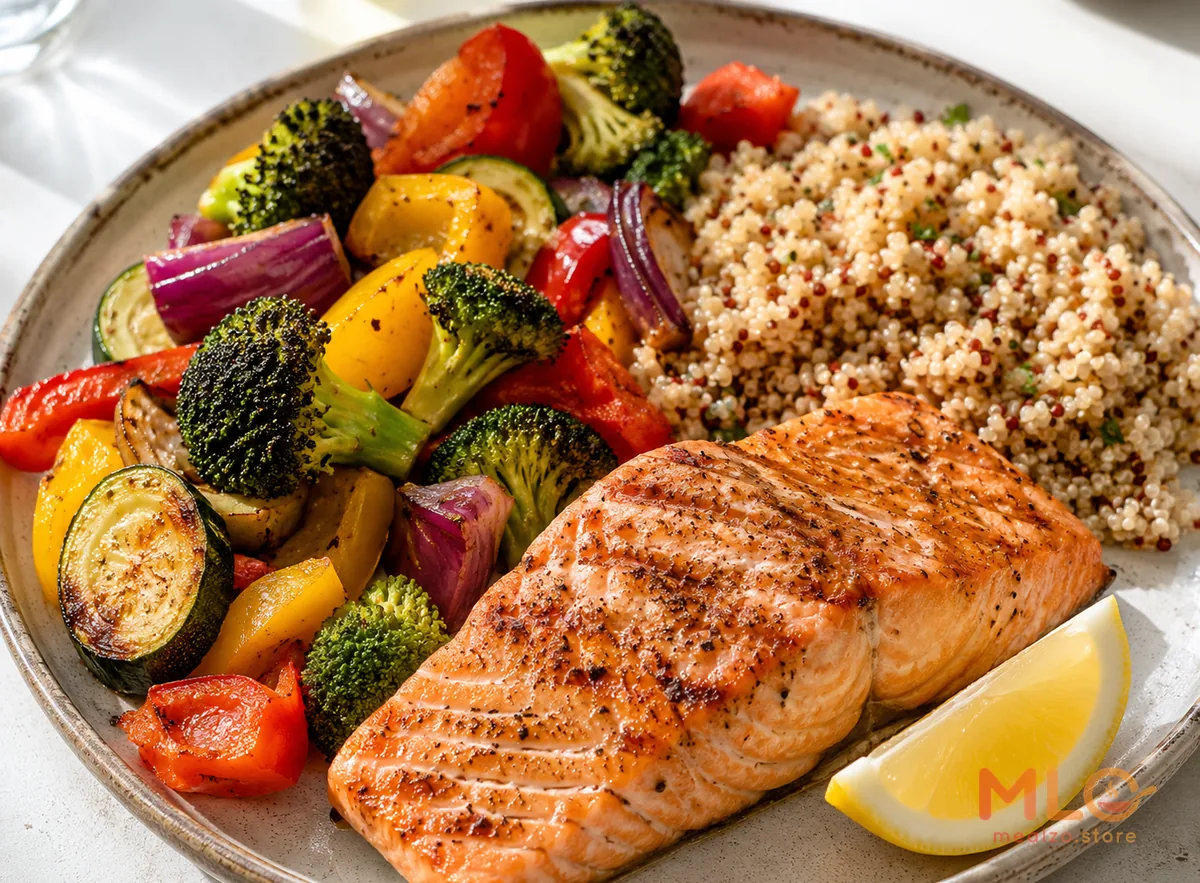
MEALZO provides chef-prepared balanced meal-plan delivery in Bangkok, with flexible plans designed around complete meals rather than isolated macro numbers.
That means considering protein, carbohydrates, fats, vegetables, and varied ingredients together so that meals contribute both macronutrients and micronutrients.
The point is not to make eating feel clinical.
It is to make balanced food easier to repeat.
Someone with a busy work schedule should not need to spend every evening building spreadsheets of vitamins and minerals just to eat reasonably well the next day.
If you prefer having structured meals prepared for you, you can explore Mealzo's balanced meal plans.
What a Complete Diet Actually Looks Like
A complete diet is not defined by one macro ratio.
It is not defined by one “superfood.”
It is not defined by avoiding rice, eating enormous amounts of protein, cutting fat, or reaching an arbitrary calorie number.
A strong nutritional pattern combines several things at once.
You consume enough overall energy for your needs.
You get adequate protein.
You include carbohydrates rather than treating them automatically as a problem.
You consume appropriate sources of fat.
You eat vegetables and fruit.
You rotate food sources.
You include foods that contribute key vitamins and minerals.
You build meals that are satisfying enough to sustain consistently.
Some days will naturally be more balanced than others. That is normal.
Nutrition works through repetition.
One low-vegetable lunch does not create a deficiency. One perfectly balanced dinner does not compensate for months of poor eating either.
The pattern matters.
Macronutrients vs Micronutrients: Focus on the Whole System
Understanding macronutrients vs micronutrients is useful because it prevents a common nutrition mistake: reducing food to calories and macro targets alone.
Macros answer questions such as:
How much protein am I eating?
Where is my energy coming from?
Am I consuming enough carbohydrates and fats for my needs?
Micronutrients answer a different set of questions:
Does my diet contain enough variety?
Am I eating foods that supply vitamins and minerals?
Are vegetables, fruits, legumes, seafood, dairy, eggs, nuts, seeds, whole grains, or suitable alternatives appearing regularly?
Neither perspective is complete on its own.
A well-structured diet provides enough energy and macronutrients while repeatedly exposing the body to a wide range of micronutrients.
Fortunately, you do not need perfect mathematical precision to achieve that.
Build meals around protein, vegetables, carbohydrates, and suitable fats. Rotate your ingredients. Include different colors and food groups throughout the week. Pay attention to the pattern rather than trying to optimize every bite.
That is what nutritional completeness looks like in real life: not obsession, but consistency.
Frequently Asked Questions
What is the difference between macronutrients and micronutrients?
Macronutrients are carbohydrates, protein and fat, which the body needs in relatively large amounts. Micronutrients are vitamins and minerals required in much smaller quantities. Both are essential parts of a complete diet, but they serve different roles.
Can you hit your macros and still be low in micronutrients?
Yes. A diet can match its protein, carbohydrate, fat and calorie targets while relying on a narrow range of foods. Including vegetables, fruits, varied protein sources and other nutrient-dense foods improves micronutrient variety.
Do you need supplements to get enough micronutrients?
Not necessarily. Many people can obtain a wide range of vitamins and minerals from a varied diet built around different food groups. Supplements are not a substitute for dietary variety, and individual needs can differ.
How does eating a variety of foods improve micronutrient intake?
Different foods provide different combinations of vitamins and minerals. Rotating vegetables, fruits, protein sources, grains, legumes, nuts and seeds reduces reliance on a small nutrient profile. Variety also makes meals less repetitive.
Does cooking destroy nutrients?
Cooking can reduce some heat-sensitive nutrients, while other nutrients may become easier to access after heating. The effect depends on the food, nutrient and cooking method. Using a mix of raw, steamed, roasted, stir-fried and otherwise prepared foods helps maintain dietary variety.
How can prepared meal plans help with nutrient coverage?
A structured meal plan can make it easier to combine appropriate portions of protein, carbohydrates, fats and varied whole-food ingredients across the week. MEALZO provides chef-prepared, balanced meal-plan delivery in Bangkok with flexible and calorie-controlled plan options. A planned menu can therefore support consistency and food variety without requiring every meal to be planned from scratch.
Find a Meal Plan That Fits
Compare Mealzo plans or use the calculator to explore meal options for your needs.