Korean Food in Bangkok: BBQ, Bibimbap, Kimchi Stew, Fried Chicken and How to Fit Them Into a Balanced Week
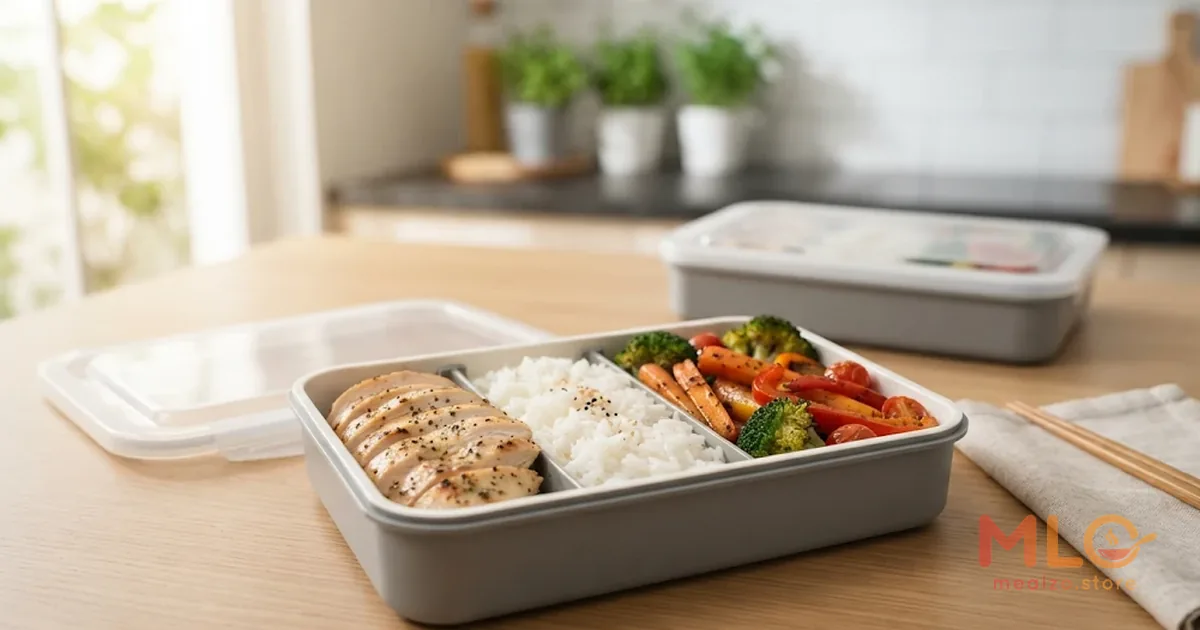
Korean food in Bangkok has become part of everyday eating. You can spend an evening grilling pork belly with friends, pick up a gimbap roll for lunch, order a bubbling kimchi stew in a shopping mall, or grab spicy instant noodles from a convenience store. The variety is enormous, and the same cuisine can produce very different meals depending on what you order.
Around Sukhumvit Soi 12, Korean restaurants serve the familiar combination of tabletop grills, lettuce wraps, bubbling soups and small plates of side dishes. Sukhumvit Soi 26 and Bangkok's shopping malls offer more options, from casual bibimbap counters to Korean fried chicken restaurants. Korean snacks and packaged foods have also become familiar choices in convenience stores and supermarkets.
The interesting question is not whether Korean food is healthy or unhealthy. A grilled beef and vegetable meal has a very different composition from unlimited pork belly with sweet dipping sauces. Bibimbap can combine rice, vegetables and protein in one bowl, while tteokbokki delivers mostly rice cakes coated in a sweet-spicy sauce. Even dishes served with plenty of vegetables can contain substantial sodium.
This guide looks at what actually goes into popular Korean dishes in Bangkok, how cooking methods and portions change the meal, and how to enjoy Korean restaurants without turning every dinner into a nutrition calculation.
1. Why Korean Food Is Everywhere in Bangkok
Korean restaurants in Bangkok serve several different eating occasions. Some are designed for long social dinners, while others specialise in quick rice bowls, noodles or takeaway snacks.
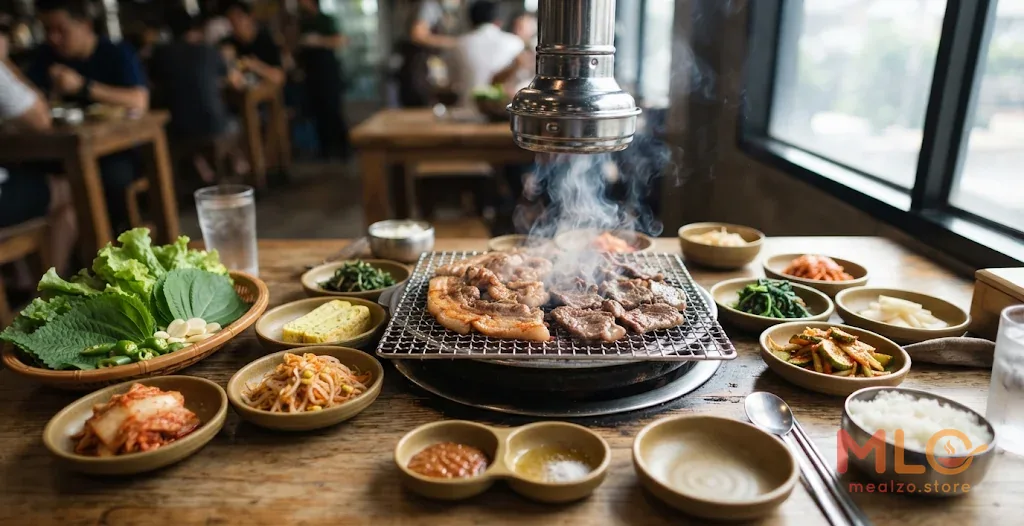
Korean BBQ restaurants are particularly popular for group meals. Diners share a grill, cook their own meat and build lettuce wraps with garlic, sauces and side dishes. Many restaurants offer all-you-can-eat packages, which make ordering convenient but can also encourage people to eat beyond their usual appetite.
At food courts and smaller restaurants, bibimbap, kimchi fried rice, ramyeon and Korean stews offer quicker meals. Fried chicken shops focus on crispy wings, drumsticks and boneless pieces coated in different sauces. Korean-style convenience store snacks cover another part of the market, including instant noodles, rice cakes and ready-to-eat rolls.
The important distinction is the composition of the dish, not its nationality. Korean cooking uses grilling, boiling, simmering, stir-frying, fermentation and deep-frying. Each method changes how much oil, sauce and other ingredients end up on the plate.
| Korean dish | Main cooking method | Main components | Lighter or heavier tendency | Practical approach |
|---|---|---|---|---|
| Samgyeopsal | Tabletop grilling | Pork belly, lettuce, sauces | Higher fat content | Alternate pork belly with leaner cuts |
| Bulgogi | Marinating and grilling | Beef or pork, sweet-savory marinade | Depends on cut and marinade | Add vegetables and moderate sauce |
| Bibimbap | Mixed cooked ingredients | Rice, vegetables, meat, egg | Often more balanced | Adjust the rice and gochujang |
| Kimchi jjigae | Simmering | Kimchi, tofu, pork, broth | Variable fat, often salty | Eat the solids without finishing all the broth |
| Soondubu jjigae | Simmering | Soft tofu, vegetables, egg, broth | Depends on added ingredients | Pair with a reasonable rice portion |
| Tteokbokki | Simmering | Rice cakes, sweet-spicy sauce | Carbohydrate-heavy | Share as a side |
| Korean fried chicken | Deep-frying | Chicken, coating, glaze | Usually higher in fat and energy | Share and add vegetables |
| Japchae | Stir-frying | Glass noodles, vegetables, protein | Depends on oil and noodles | Treat noodles as the starch portion |
| Gimbap | Rolling prepared ingredients | Rice, seaweed, fillings | Varies by filling | Choose rolls with vegetables and protein |
There is no need to avoid an entire cuisine because some dishes are richer than others. Understanding what changes between dishes gives you more useful choices.
2. Korean BBQ: What Happens at the Table
Korean BBQ is one of the most social ways to eat Korean food Bangkok restaurants offer. The grill sits in the middle of the table, meat arrives in rounds, and diners cook small portions while talking and sharing side dishes.
A typical spread may include samgyeopsal, thinly sliced beef, marinated bulgogi, mushrooms, lettuce, garlic, kimchi and dipping sauces.
Samgyeopsal is pork belly. Its alternating layers of fat and meat give it a rich flavour and satisfying texture when grilled. That fat is also why pork belly contributes substantially more dietary fat than many lean cuts.
Bulgogi is usually thinly sliced meat marinated in a sweet-savory mixture. Soy sauce, sugar and other seasonings contribute flavour, while the meat itself supplies protein. The final composition depends on the cut and how much marinade is used.
A lettuce wrap, called ssam, commonly combines a piece of grilled meat with lettuce, garlic, kimchi and ssamjang. The lettuce and vegetables add volume, texture and fibre, but they do not cancel the fat from several rounds of pork belly.
All-you-can-eat restaurants introduce another consideration. Once the package is paid for, diners may keep ordering because additional plates feel free.
A practical pattern is to decide on rounds before ordering:
- Start with one round of meat, mushrooms and lettuce.
- Include leaner cuts when they are available.
- Use the side dishes between bites rather than filling every wrap with extra meat.
- Take a short break before deciding whether another round is actually wanted.
- Treat sauces as flavour additions rather than something every bite needs to be covered in.
This is not about calculating every gram. It is about allowing appetite, rather than the buffet format, to determine the meal.
For a comparison with Bangkok's Thai-style shared grilling and hot-pot culture, read our guide to mookata and suki in Bangkok.
Key takeaway: Korean BBQ can combine protein and vegetables, but fatty cuts, sweet marinades and unlimited rounds can change the meal substantially.
3. Lean Cuts, Lettuce Wraps, Kimchi and Sauces
A Korean BBQ table can look vegetable-heavy because it contains bowls of kimchi, greens, mushrooms, pickles and seasoned vegetables. Those ingredients are useful, but preparation matters.
Banchan is the collective name for the small side dishes served alongside a Korean meal. Common examples include fermented kimchi, pickled radish, seasoned spinach, bean sprouts and other vegetables.
At many Korean restaurants, banchan is included with the meal and can be refilled. This makes it easy to add vegetables without ordering a separate dish.
Kimchi is fermented and brings acidity, chilli and a distinctive savoury flavour. It is also salted during preparation, so repeated large servings can contribute considerable sodium.
The same applies to sauces. Ssamjang, the thick paste used in lettuce wraps, typically contains fermented soybean paste and chilli paste. Gochujang, the familiar red chilli paste, combines spicy flavour with sweetness and salt.
There is nothing inherently wrong with using these condiments. The issue is that several small additions throughout dinner can become significant.
Consider a plate of grilled beef eaten with lettuce, kimchi and a little ssamjang. Compare it with the same beef repeatedly dipped into thick sauce, followed by sweet-marinated meat and another bowl of rice. The protein may be similar, but the added sauce, starch and total portion change the meal.
For more context on sodium in everyday Bangkok meals, see how salt and sodium add up in Thai food.
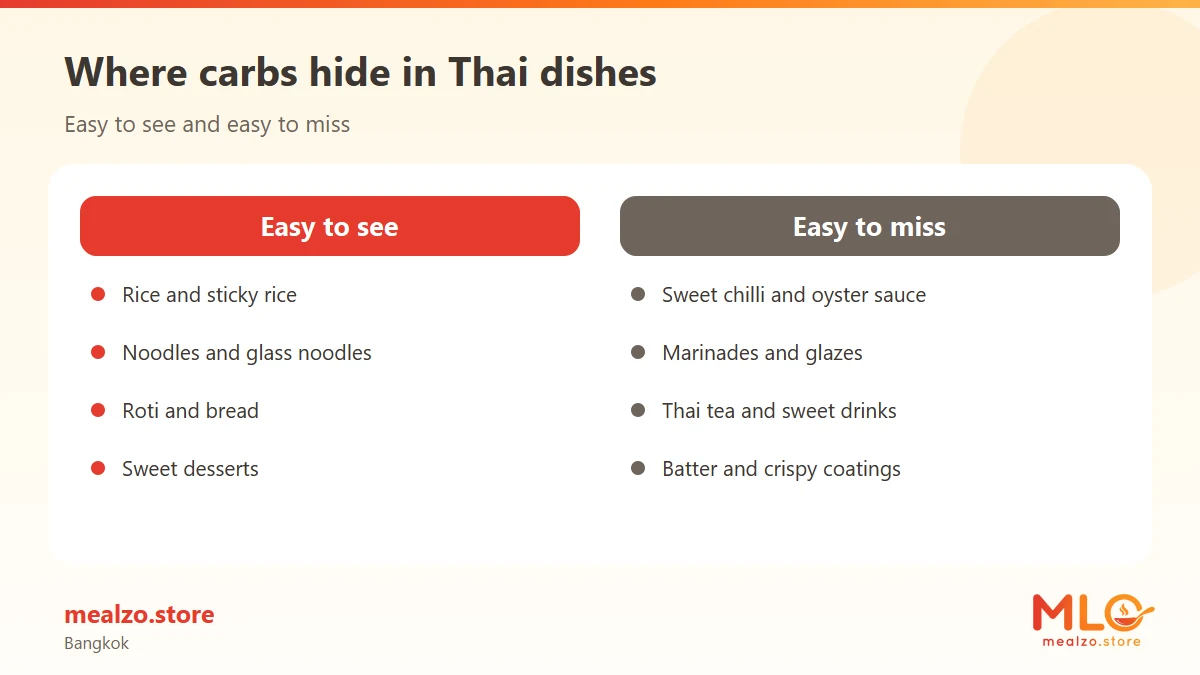
Key takeaway: Vegetable side dishes add variety, but kimchi, fermented pastes and sweet marinades can contribute more sodium and sugar than their small serving sizes suggest.
4. Bibimbap: Building a Balanced Korean Rice Bowl
Bibimbap is one of the most straightforward Korean dishes to understand because its ingredients are visible in a single bowl.
A typical serving combines steamed rice, seasoned vegetables, sliced beef or another protein, an egg and gochujang. Common vegetables include spinach, carrots, mushrooms and bean sprouts.
The components can work well together. Rice provides carbohydrates, meat and egg provide protein, and vegetables contribute fibre and variety.
The differences appear in the proportions.
A bowl with a large base of rice and a small amount of vegetables is quite different from one with generous vegetables, an adequate protein portion and a more moderate rice serving.
Gochujang is another variable. A little adds heat and complexity; several large spoonfuls increase the sauce contribution.
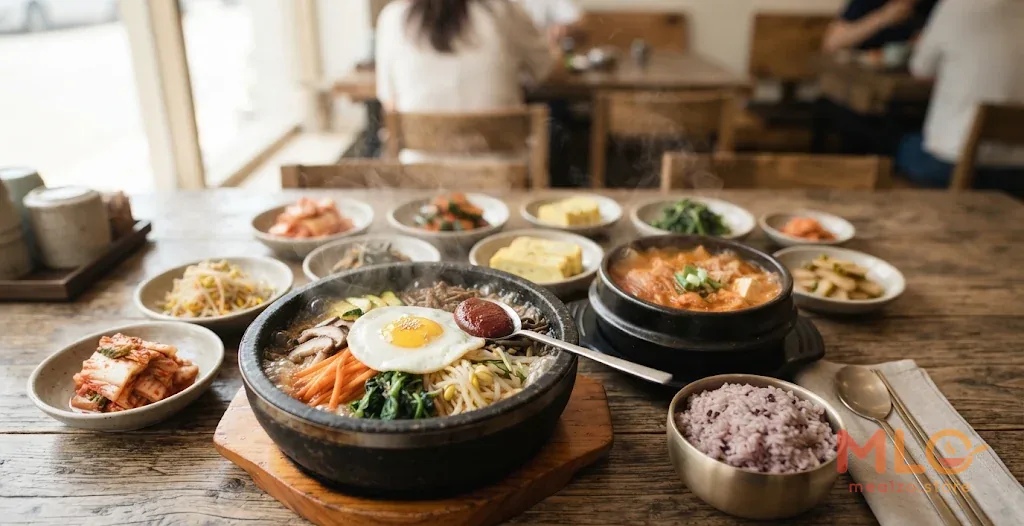
Dolsot bibimbap arrives in a hot stone bowl. The rice touching the heated surface becomes crispy, creating one of the dish's best textures. The stone bowl may also contain oil, so the amount used during preparation matters.
A useful way to approach bibimbap is to think about the whole bowl rather than treating rice as the only component.
- Keep enough rice for a satisfying meal without automatically adding extra.
- Look for a substantial portion of vegetables and protein.
- Add gochujang gradually and taste before adding more.
- Include the egg if it suits your preferences and dietary requirements.
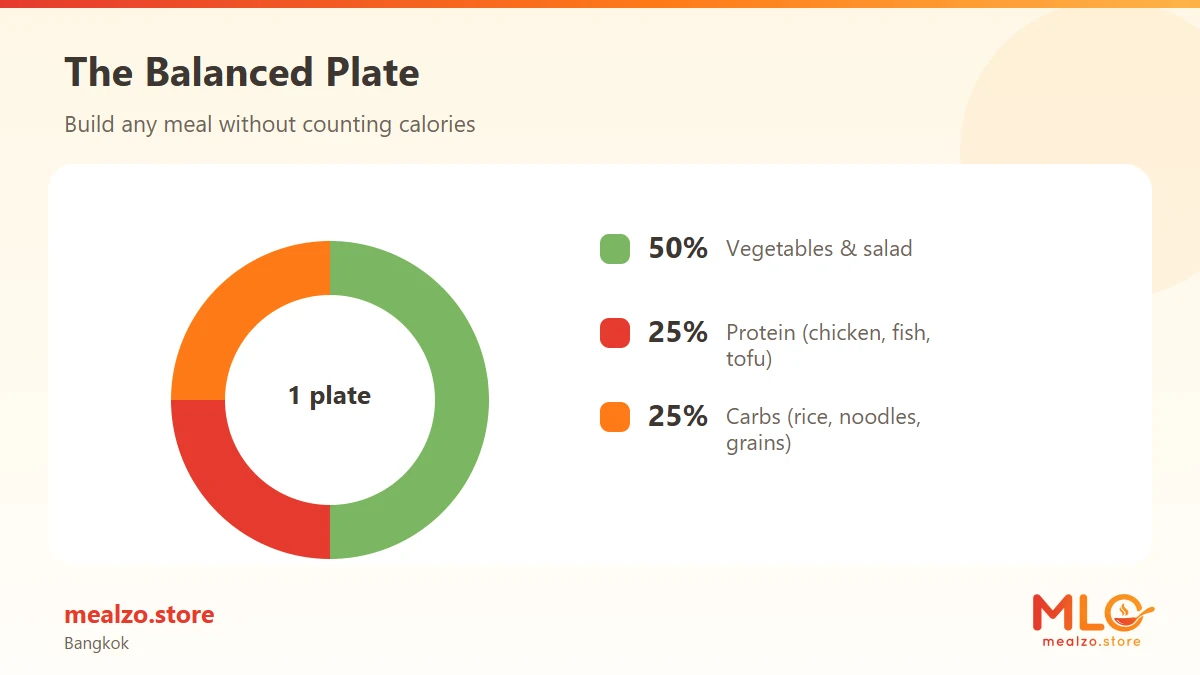
Rice is not something that needs to disappear from a balanced diet. Portion size, activity and the other foods eaten across the day all matter. Our practical guide to rice portions in Bangkok explores these choices in more detail.
Bibimbap also illustrates why a dish's appearance alone cannot establish its nutritional composition. Two bowls with the same name can have very different proportions.
5. Korean Stews: Kimchi Jjigae, Soondubu and Budae Jjigae
Korean stews often arrive bubbling in stone or metal pots, usually with rice and side dishes. They can feel lighter than grilled meat or fried chicken, but the ingredients and broth deserve attention.
Kimchi jjigae is made with fermented kimchi simmered with ingredients such as tofu, pork and vegetables. Its flavour comes from the kimchi, chilli and savoury broth.
Soondubu jjigae uses soft tofu, which creates a delicate texture. Depending on the recipe, it may contain egg, seafood, meat or vegetables. Some versions are comparatively simple, while others include richer ingredients.
Budae jjigae is a different kind of meal. Often called army stew, it commonly combines processed meats, instant noodles, vegetables, spicy broth and sometimes cheese. It is substantial and frequently shared.
One of the main considerations with these stews is sodium. Broth concentrates seasoning from kimchi, sauces, stock and other ingredients.
Eating the tofu, meat and vegetables without drinking every spoonful of broth is a practical way to reduce how much of that seasoned liquid you consume. It does not eliminate the sodium already absorbed by the ingredients.
Rice portions also matter. When a stew already contains instant noodles, adding a full bowl of rice introduces another substantial starch serving.
Spicy heat is a matter of preference and comfort, not proof that a dish is healthier. People who find very spicy food uncomfortable can choose milder versions when available.
A hot tofu stew with vegetables can be a satisfying meal. A large pot of budae jjigae with processed meats, noodles, cheese and rice serves a different purpose, especially when shared among friends.
6. Tteokbokki and Korean Street Snacks
Tteokbokki is one of the most recognisable Korean street foods in Bangkok. Cylindrical rice cakes are simmered in a thick red sauce, usually combining chilli paste, sweetness and savoury seasoning.
The chewy texture makes the dish distinctive. Nutritionally, however, rice cakes are primarily a refined carbohydrate source, and the sauce can contain added sugar.
Tteokbokki is often eaten as a snack rather than a complete meal. That can make portions harder to judge, especially when a serving is shared while waiting for other food.
Additional ingredients such as fish cakes, noodles, cheese or boiled eggs change the composition, but a larger serving still contributes more food overall.
Other Korean-style snacks found around Bangkok include corn dogs, instant noodle cups, packaged rice snacks and convenience store rice rolls.
These foods are convenient, particularly during shopping trips or late evenings, but convenience does not automatically mean a complete meal.
A Korean corn dog coated in batter and fried is not nutritionally equivalent to gimbap containing vegetables and egg. A packet of instant noodles also differs from a freshly prepared rice bowl with protein.
One practical approach is to decide whether the snack is replacing a meal or accompanying one. A generous tteokbokki serving followed by a full dinner can become more food than intended simply because the first dish was labelled a snack.
For a snack meal, adding a protein source and vegetables where practical can improve the overall mix.
7. Korean Fried Chicken: Crunch, Coating and Glaze
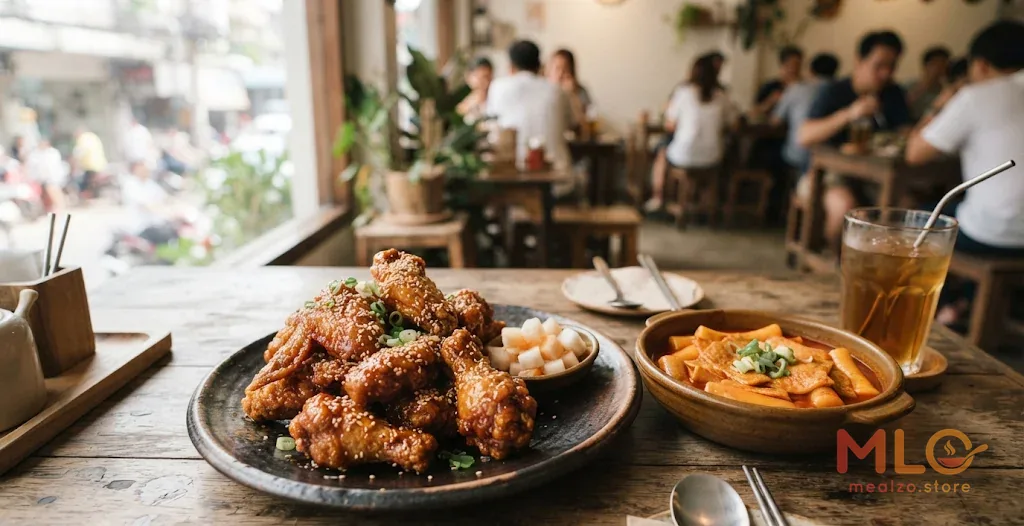
Korean fried chicken is popular for good reason. It offers a crisp coating, juicy meat and sauces ranging from garlic-soy to sweet-spicy chilli.
Many Korean-style preparations involve frying the chicken twice. This produces a crisp exterior, although the amount of oil retained depends on the coating, frying process and portion.
The chicken itself supplies protein. The coating adds starch and absorbs oil, while sticky glazes can add sugar and sodium.
A serving of glazed chicken therefore differs from plain grilled chicken even when both contain a similar quantity of meat.
Boneless chicken is not necessarily lighter. It may contain heavily coated pieces, and the absence of bones makes it easier to eat a substantial amount without noticing.
Pickled radish is a familiar accompaniment. Its sharp flavour cuts through the richness, although it can also contribute sodium or sugar depending on preparation.
When ordering fried chicken with friends, sharing a portion alongside vegetables or another less rich dish changes the overall meal.
| Ordering choice | What changes | When it suits |
|---|---|---|
| Plain grilled chicken instead of fried | Less coating and frying oil | When you prefer a simpler protein dish |
| Smaller shared fried chicken portion | Reduces the amount per person | When fried chicken is part of a group meal |
| Sauce served separately, if available | Lets you control added glaze | When you want more control over sweetness |
| Pickled radish and vegetables | Adds contrast and vegetable variety | With richer fried dishes |
| Water or unsweetened barley tea | Avoids added sugar from sweet drinks | When the food already includes sweet sauces |
| Rice with grilled protein and vegetables | Combines starch, protein and vegetables | When choosing a more complete main meal |
The aim is not to make fried chicken behave like a different dish. Its appeal comes partly from the frying and sauce.
Enjoying a shared portion occasionally is compatible with a varied eating pattern. The problem arises when a large fried portion, extra sauces, noodles and sweet drinks all become automatic additions.
For more on how frying changes food, read our guide to fried food and cooking oil in Bangkok.
Key takeaway: With Korean fried chicken, portion size, coating, glaze and accompanying drinks often matter more than whether the chicken is boneless or bone-in.
8. Jjajangmyeon, Ramyeon, Japchae and Gimbap
Korean noodle dishes vary considerably, even though they are often grouped together on restaurant menus.
Jjajangmyeon consists of wheat noodles covered in a thick black bean sauce, commonly prepared with vegetables and pork. The sauce provides its characteristic rich flavour, while the noodles contribute most of the starch.
Ramyeon is usually based on instant noodles in a strongly seasoned broth. Restaurant versions may include egg, vegetables, cheese or meat. These additions change the meal, but the noodles and seasoning remain central.
Cold Korean noodles offer another experience, often with chilled broth or a spicy dressing. They can feel refreshing in Bangkok's heat, although their salt and sugar content depends on the preparation.
Japchae is made with glass noodles, traditionally from sweet potato starch, stir-fried with vegetables and sometimes beef. The transparent noodles may appear lighter than wheat noodles, but they still provide carbohydrates. Oil and sweet-savory seasoning also affect the final dish.
Gimbap is different. Rice and fillings are rolled in seaweed and sliced into convenient pieces. Common fillings include egg, carrots, spinach, pickled radish, meat or other proteins.
A vegetable-and-egg gimbap can be a portable lunch option. Versions containing fried ingredients, mayonnaise-based fillings or large amounts of rice have a different composition.
Because fillings vary, reading the menu or asking what is inside is more useful than assuming every roll is equivalent.
Korean noodles are also worth comparing with Japanese dishes commonly eaten in Bangkok. Our Japanese food guide covering ramen, sushi and rice bowls explains how broth, noodles and toppings influence those meals.
9. Soju, Beer and Sweet Drinks at Korean Restaurants
Drinks are easily overlooked during a Korean meal, particularly when the focus is on a shared grill or several plates of fried chicken.
Soju is closely associated with Korean dining culture, and beer is another common choice. Some diners combine them during long meals.
Alcohol contributes energy without replacing the nutritional value of a meal. Drinking over a long dinner can also make it harder to keep track of how much has been consumed.
Sweetened teas, fruit drinks and soft drinks add another source of sugar. Combined with sweet bulgogi marinades, glazed fried chicken or tteokbokki sauce, those additions can accumulate.
Water or unsweetened barley tea offers a straightforward alternative.
A person having a Korean BBQ dinner for a celebration may reasonably make different choices from someone eating Korean food three times a week. Frequency matters, and not every social meal needs to be optimised.
The useful habit is simply to recognise what the drinks contribute rather than treating them as separate from the food.
10. Allergens, Food Safety and Eating Comfortably
Korean dishes often combine several sauces, marinades and prepared side dishes. This makes ingredients difficult to identify from appearance alone.
Soy, sesame, shellfish in kimchi paste, egg, gluten and peanuts can be difficult to check in Korean restaurant dishes, particularly when sauces and banchan are prepared in advance.
If you have a food allergy, ask about ingredients and preparation rather than assuming a vegetable-based dish is suitable.
At tabletop BBQ restaurants, use separate tongs for raw and cooked meat and cook the meat thoroughly before eating.
Hygiene also matters when eating ready-to-eat snacks. Choose food that has been stored and handled appropriately, particularly when buying prepared meals in Bangkok's warm climate.
For people who find chilli-heavy dishes uncomfortable, mild soups, plain grilled meats or rice bowls without added chilli paste may be more suitable.
There is no need to equate spicy food with nutritional superiority. Heat changes flavour and eating comfort, not the fundamental composition of the dish.
11. How Mealzo Bangkok Fits Around a Korean Food Week
A Korean BBQ dinner with friends is a social occasion. It involves choosing meat, grilling at the table, sharing banchan and spending time together. A prepared meal plan is not intended to replace that experience.
Where planning becomes useful is during the rest of the week.
Someone who eats out regularly may have several unplanned meals between Korean dinners, office lunches and convenience store snacks. Having meals organised in advance can make those ordinary days more predictable without requiring every restaurant visit to follow strict rules.
Mealzo Bangkok operates a kitchen in Bang Na, Bangkok. Meals are cooked fresh daily and delivered across Bangkok.
The service provides two delivery windows: morning from 06:00 to 09:00 and evening from 17:00 to 20:00. Customers select one delivery window.
Every plan combines Thai and international dishes in one mixed cuisine. Customers do not choose between separate cuisine categories, and a meal plan should not be confused with ordering Korean restaurant dishes.
There are 12 available meal plans: Balanced, Weight Loss, High Protein, Vegetarian, Vegan, Keto, Low-Carb, Gluten Free, Easy-to-Digest, Pescatarian, No Fish & Seafood, and Dairy & Egg Free.
Customers can select from six daily calorie levels ranging from 1200 to 2500 kcal, choose 3 or 5 meals per day, and arrange packages lasting 3, 7, 14 or 30 days.
The website and mobile app support Thai, English, Polish, German, French, Russian, Simplified Chinese and Burmese.
For allergen handling, customers declare relevant allergens from nine allergen groups. Dishes containing a declared allergen are not assigned to that customer. This is an ingredient-assignment mechanism, not a guarantee that meals are allergen-free.
The app also includes a calorie calculator based on the Mifflin-St Jeor formula. Its results are estimates rather than medical advice or an individual clinical assessment.
A realistic week might include planned meals on working days, bibimbap during a busy afternoon, and a Korean BBQ dinner at the weekend. The point is consistency across several days, not treating one generous meal as something that needs to be compensated for.
You can explore the Mealzo Bangkok meal plans and available options to see which structure fits your routine. Questions about the service can be sent to contact@mealzo.store.
Key takeaway: A planned eating routine can coexist with Korean BBQ nights and occasional fried chicken; what matters is the pattern across the week, not one restaurant meal.
FAQ
Is Korean BBQ a balanced meal?
It can be, depending on the meat cuts, vegetables, sauces and total portions. Lean beef or pork with mushrooms, lettuce and side dishes creates a different meal from unlimited pork belly and sweet marinades. The all-you-can-eat format is not automatically a problem, but it makes portion awareness more useful.
Is bibimbap a good everyday lunch in Bangkok?
Bibimbap can be a practical lunch because it combines rice, vegetables, protein and often an egg. Its balance depends on the amount of rice, vegetables, meat and sauce. Choosing a bowl with sufficient vegetables and protein, then adjusting the gochujang to taste, is a reasonable approach.
Which Korean stew is lighter: kimchi jjigae or soondubu?
Neither is automatically lighter. Soondubu contains soft tofu, while kimchi jjigae commonly includes fermented kimchi, tofu and sometimes pork. Their composition depends on the broth, meat, oil and additional ingredients. Both can contain substantial sodium, particularly when the broth is consumed completely.
Are gimbap and japchae low-carbohydrate foods?
Generally, no. Gimbap contains rice, and japchae uses starch-based glass noodles. Both can include vegetables and protein, but the rice or noodles remain significant carbohydrate sources. Their suitability depends on portion size and the rest of the meal.
Can I eat Korean food regularly while using a Mealzo Bangkok meal plan?
Yes, the two can fit into the same weekly routine. Mealzo Bangkok provides prepared meals through its selected delivery window, while Korean restaurant meals can remain part of your social and personal food choices. The most practical approach is to consider your overall eating pattern rather than expecting every meal to have the same composition.
Mealzo Bangkok is a kitchen and meal delivery service operating exclusively in Bangkok, Thailand. We are not affiliated with similarly named services outside Thailand.
Find a Meal Plan That Fits
Compare Mealzo plans or use the calculator to explore meal options for your needs.