Buffet Eating in Bangkok: Portion Control for Hotel Buffets, BBQ and Shabu
Buffets are woven into ordinary social life in Bangkok. A hotel brunch on a weekend, BBQ or shabu with colleagues, sushi with friends, or an all-you-can-eat seafood dinner can be a routine part of the month rather than a rare celebration.
That changes the way practical advice needs to work. Telling people to avoid buffets misses the point. The more useful question is how to enjoy the format without letting the fixed price, constant food and long meal quietly take over the rest of the day.
For buffet eating in Bangkok, portion control is less about rigid rules and more about pacing, hunger and noticing when the meal has shifted from enjoyment into automatic eating. The surroundings matter because different buffet formats encourage different habits.
You do not need to turn the meal into a nutrition exercise. A few ordinary decisions before and during the buffet usually matter more than trying to compensate afterwards.
1. In Bangkok, a buffet is often just a normal social meal
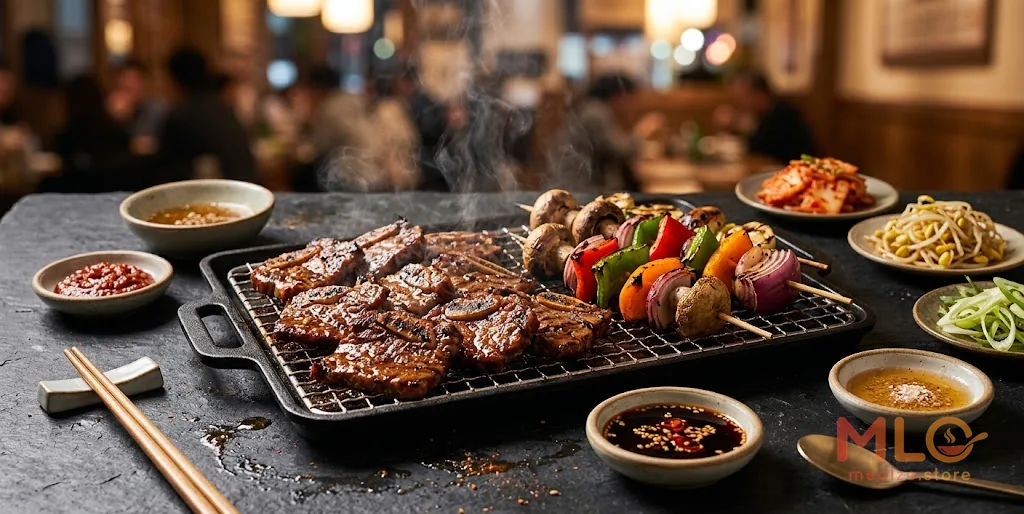
In many cities, a buffet may be reserved for holidays or special events. Bangkok is different. Hotel brunches, cook-it-yourself BBQ, shabu-shabu, sushi and seafood buffets are common ways to meet friends, celebrate with family or spend a relaxed weekend afternoon.
That means the useful goal is not perfect eating. It is finding a repeatable way to handle a meal that may appear several times a month.
The challenge begins with the format itself. Food is always visible or always available to order. There is no normal stopping point created by an empty plate or a finished main course. Someone can feel comfortably satisfied and still keep eating because another round arrives, someone at the table orders more, or a dessert section has not yet been visited.
A buffet also stretches the meal. At a hotel brunch, people may graze for two or three hours. At BBQ or shabu, conversation continues while another batch cooks. At seafood and sushi restaurants, small plates can keep arriving almost unnoticed.
None of this makes buffets a problem by definition. It simply means that normal hunger and fullness signals are competing with price, variety and social momentum.
Key takeaway: A buffet becomes easier to manage when you treat it as a normal meal in an unusual environment, not as a challenge to eat as much as possible.
2. The fixed price creates a different kind of hunger
A fixed price changes the mental calculation around food. Once the meal is paid for, it is easy to feel that stopping while food remains available means leaving value behind.
That is the familiar "get your money's worth" instinct. It has very little to do with physical hunger. Someone may already feel satisfied but still think about whether they have tried enough premium meat, seafood, sushi or dessert.
The buffet environment reinforces this feeling. Expensive-looking items become tempting because they seem to justify the price. A person may choose food based on perceived value rather than what they actually want to eat.
The useful response is not to argue with yourself about whether the buffet is "worth it." The price has already bought access to the experience, the variety, the service and the time with other people. It does not become better value because the meal finishes uncomfortably.
A simple mental shift helps: instead of asking what is still available, ask what would genuinely make the meal better from this point.
That question leaves room for another dish if you want it. It also makes stopping a normal option.
3. Hotel buffets, BBQ and seafood buffets behave differently
Different buffet formats create different traps. Treating them all the same misses how people actually eat in each setting.
| Buffet format | What tends to happen | Practical response |
|---|---|---|
| Hotel brunch buffet | Huge variety, long grazing, free-flow drinks and constant switching between savoury and sweet food | Scout the room first and decide what genuinely looks worth eating |
| BBQ or shabu | Food arrives in repeated rounds and the table keeps cooking while everyone talks | Order gradually and allow the table to finish what is already cooking before automatically adding more |
| Seafood or sushi buffet | Small plates keep arriving and it becomes difficult to remember how much has already been eaten | Pause between orders and look at what is already on the table before starting another round |
At a hotel buffet, the problem is often variety. A little from many stations can turn into a very large meal without any single plate looking excessive.
At BBQ or shabu, the rhythm is different. Raw meat and vegetables may be ordered continuously, and cooking creates a natural reason to keep the meal moving.
Seafood and sushi buffets can feel lighter because individual servings are small. The difficulty is accumulation. Many small plates can pass through the table without creating a clear sense of a main meal and an ending.
Recognising the format makes portion control practical rather than abstract.
4. Skipping food beforehand usually makes the buffet harder
A common plan is to eat very little earlier in the day so there is more "room" for the buffet. It sounds logical because the meal is going to be large anyway.
In practice, arriving extremely hungry often changes eating speed and decision-making. The first plate becomes urgent. People choose faster, load more food and begin eating before noticing what is available elsewhere.
Arriving normally fed creates a different start. You can look around, talk and choose food without feeling that everything needs to happen immediately.
This does not mean eating an extra meal specifically before the buffet. It means following a broadly normal routine rather than deliberately creating extreme hunger.
The same idea applies to people who already use a structured meal routine. Skipping planned food earlier in the day to compensate in advance can produce exactly the hunger that makes buffet eating harder to regulate later.
For a wider look at balancing restaurant meals with a structured routine, read about keeping meal plans and social eating together.
| Stage | What actually helps | What often backfires |
|---|---|---|
| Before the buffet | Eating normally and arriving able to make deliberate choices | Skipping food to create maximum hunger |
| During the buffet | Slowing down enough to notice satisfaction and what is already on the table | Treating every available item as something that must be tried |
| After the buffet | Returning to an ordinary routine | Trying to punish or compensate for the meal |
5. The first plate should look like a meal, not a strategy
The first plate has an outsized effect because it is usually chosen when hunger is strongest.
Walking directly to the most expensive-looking station can turn the start of the meal into a value calculation. A better approach is to scout the buffet before filling the plate. See what is actually there, then choose what you want rather than what seems most financially efficient.
Build that first plate much as you would build an ordinary meal: include a protein source, vegetables and a carbohydrate that you enjoy. This is not a special buffet formula. It is simply a familiar structure in an environment designed around endless choice.
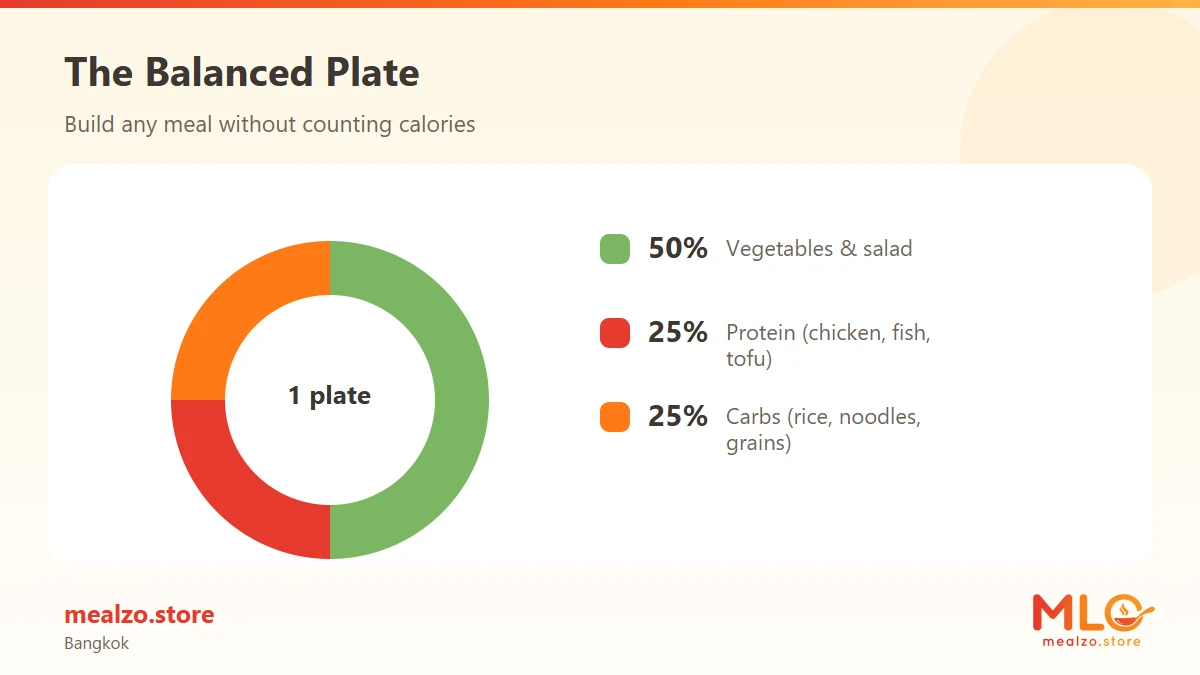
The same principle works outside buffets. The practical thinking used for building a balanced tray at Bangkok food courts also works when the food happens to be unlimited.
A few useful questions before serving yourself are:
- Which dishes do I actually want, rather than feel obligated to try?
- Which foods will still be appealing once the first hunger has passed?
- Am I choosing variety because I enjoy it, or because it is available?
- Is there something on the plate that makes this feel like a complete meal?
Key takeaway: The strongest first-plate decision is usually to build an ordinary meal before experimenting with everything else.
6. Smaller returns to the buffet beat one overloaded plate
There is no prize for fitting the entire buffet onto the first visit.
Smaller repeated visits make it easier to notice how the meal is progressing. You can eat, talk, pause and then decide whether another dish genuinely sounds appealing.
This matters especially during a hotel brunch lasting two or three hours. The meal can become continuous grazing simply because food remains within reach. Separating eating into distinct moments creates natural chances to reassess.
At BBQ and shabu, the equivalent is ordering in stages. When the grill or pot is already full and more food is waiting beside it, placing another order immediately can make the next round feel compulsory once it arrives.
Pauses do not need to become a rule or a timer. They can happen naturally while the table talks, while food cooks or while you decide what you actually want next.
The important distinction is between continuing because you are still enjoying the meal and continuing because the buffet is still open.
7. Drinks, sauces and fried extras can quietly change the meal
Some buffet food is easy to notice. Other additions accumulate in the background.
At hotel buffets, free-flow sugary drinks and cocktails can continue throughout the meal without feeling like another course. Alternating with water can make the drinking part of the meal more deliberate without turning it into a restriction.
BBQ and shabu have a different issue. Dipping sauces, ready-made sauces and oil can become a major part of the flavour. You do not need to avoid them. It is simply useful to notice whether every bite is being heavily coated out of habit.
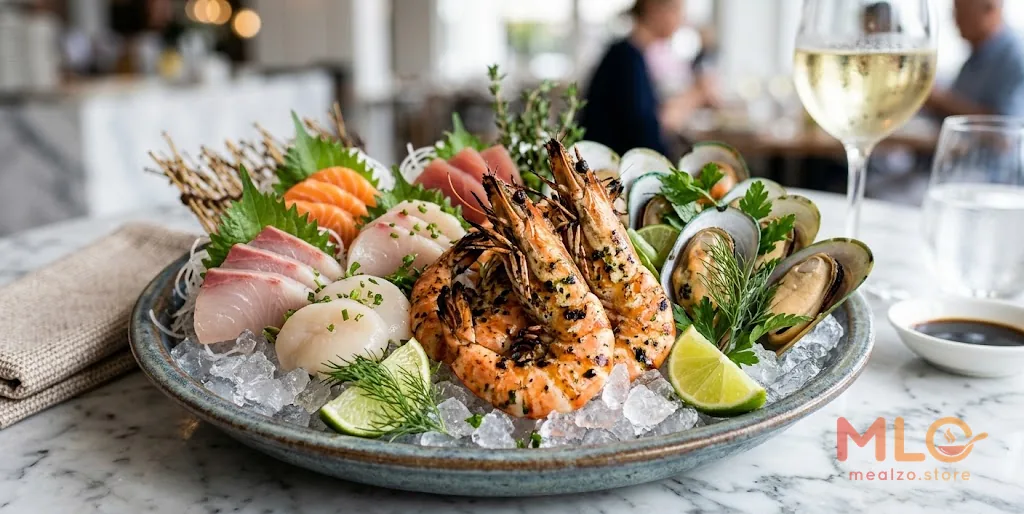
At seafood buffets, fried items often become more attractive later in the meal. The strange part is that this can happen after someone is already full. The food is new, hot and different from what came before, so appetite can briefly feel refreshed even though physical hunger has not returned.
A few practical habits can keep these extras visible:
- Taste sauces before automatically adding more.
- Keep water available alongside sweet drinks or alcohol.
- Notice whether a late fried dish is something you really want or simply something new.
- Let flavour changes add interest without using them as a reason to restart the meal.
The same awareness around sauces appears in everyday Thai meals too. This guide to portions, sauces and snacks in Thai food looks at the same mechanism outside the buffet setting, while this practical guide to Pad Thai, Som Tam and Tom Yum focuses on familiar dishes.
8. Dessert tastes good without becoming another buffet
Dessert sections create their own version of the money's-worth instinct.
A person may already feel satisfied but see cakes, fruit, ice cream and small sweets and think that the meal is incomplete unless several of them are tried. When everyone else returns with dessert plates, declining anything can also feel unnecessarily serious.
There is a middle ground. Choose the dessert that looks genuinely worth eating and eat it slowly enough to notice it.
Dessert satisfaction does not increase automatically because more varieties are sampled. Once the most appealing choice has been enjoyed, additional desserts can become more about completion than pleasure.
This is especially relevant at ice-cream or dessert-focused buffets, where variety itself is part of the attraction. Trying something unfamiliar can be part of the fun. The practical question is whether the next serving is still interesting or whether you are continuing because it is included.
No lecture is necessary. You can enjoy dessert without turning it into an obligation to test the entire section.
Key takeaway: At the dessert section, choosing what looks genuinely enjoyable is usually more satisfying than trying everything because it is included.
9. Social pressure can be stronger than hunger
Buffets are social meals, and that changes behaviour.
People often match the pace of the table. If everyone continues ordering meat, sushi or seafood, stopping can feel like separating yourself from the group. Someone may joke that another person is "not eating enough" to justify the price.
You do not need to defend your plate or turn the conversation into a nutrition discussion.
Simple responses work because they do not challenge anyone else's choices. You can say you are slowing down for a while, that you are already satisfied, or that you want to save room for something you noticed earlier.
Then keep participating in the conversation.
The useful distinction is between stopping eating and leaving the social event. They are not the same thing. You can sit at the table, talk, help cook and enjoy the evening without matching every new order.
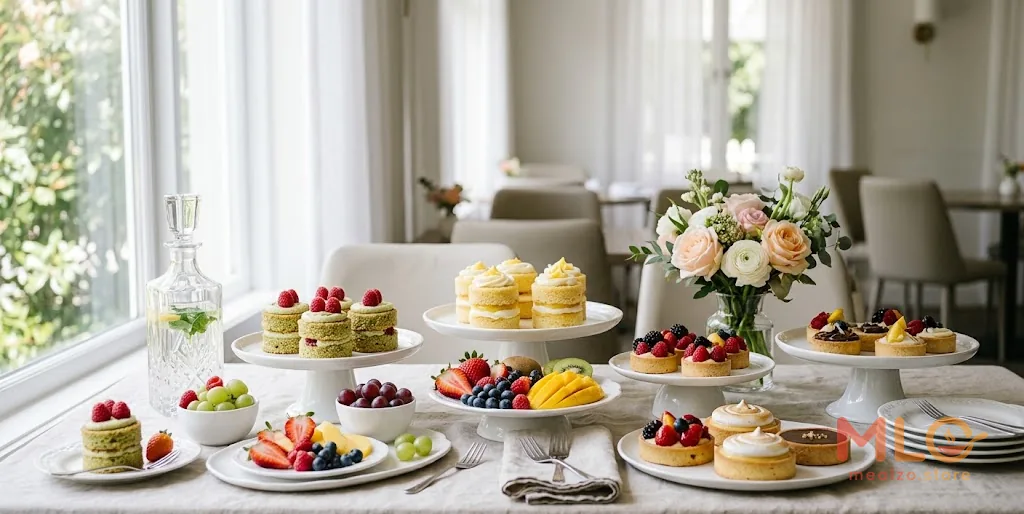
People who enjoy eating more can continue. People who have had enough can stop. A good social meal has room for both.
10. The next day does not need punishment
A heavy buffet can leave you feeling unusually full, thirsty or simply uninterested in food for a while. That does not require an extreme response the following day.
Return to an ordinary eating routine.
Trying to "undo" the buffet by skipping meals can recreate the same cycle that caused trouble before the meal: strong hunger followed by faster, less deliberate eating later.
There is also no need to label the buffet as a failure or a "cheat." It was a meal. Sometimes it was larger than usual. That does not require a moral interpretation.
Eat according to your normal appetite, choose familiar meals and let the week continue.
Anyone managing a medical condition such as diabetes or a digestive condition should ask their own doctor about occasional large meals.
11. Meal plans can sit around buffet meals without pretending buffets do not happen
A fixed meal plan does not require avoiding restaurants, family dinners or weekend buffets. It works better when the plan reflects real life rather than assuming every meal will happen at home.
Mealzo Bangkok prepares meals fresh daily from its kitchen in Bang Na and delivers across Bangkok. Customers choose between the morning delivery window of 06:00-09:00 and the evening window of 17:00-20:00.
There are 12 meal plans: Balanced, Weight Loss, High Protein, Vegetarian, Vegan, Keto, Low-Carb, Gluten Free, Easy-to-Digest, Pescatarian, No Fish & Seafood, and Dairy & Egg Free. Each plan uses one mixed cuisine that combines Thai and international dishes. There are 6 daily calorie levels from 1200 to 2500 kcal, options for 3 or 5 meals per day, and package lengths of 3, 7, 14 or 30 days.
The website and mobile app operate in 8 languages: Thai, English, Polish, German, French, Russian, Simplified Chinese and Burmese. An Android app is also available on Google Play.
Customers can declare from 9 allergen groups. Dishes containing a declared allergen are not assigned to that customer. This describes the assignment mechanism and is not a guarantee that a meal is allergen-free.
The app also includes a calorie calculator using the Mifflin-St Jeor formula. It provides an estimate and is not medical advice.
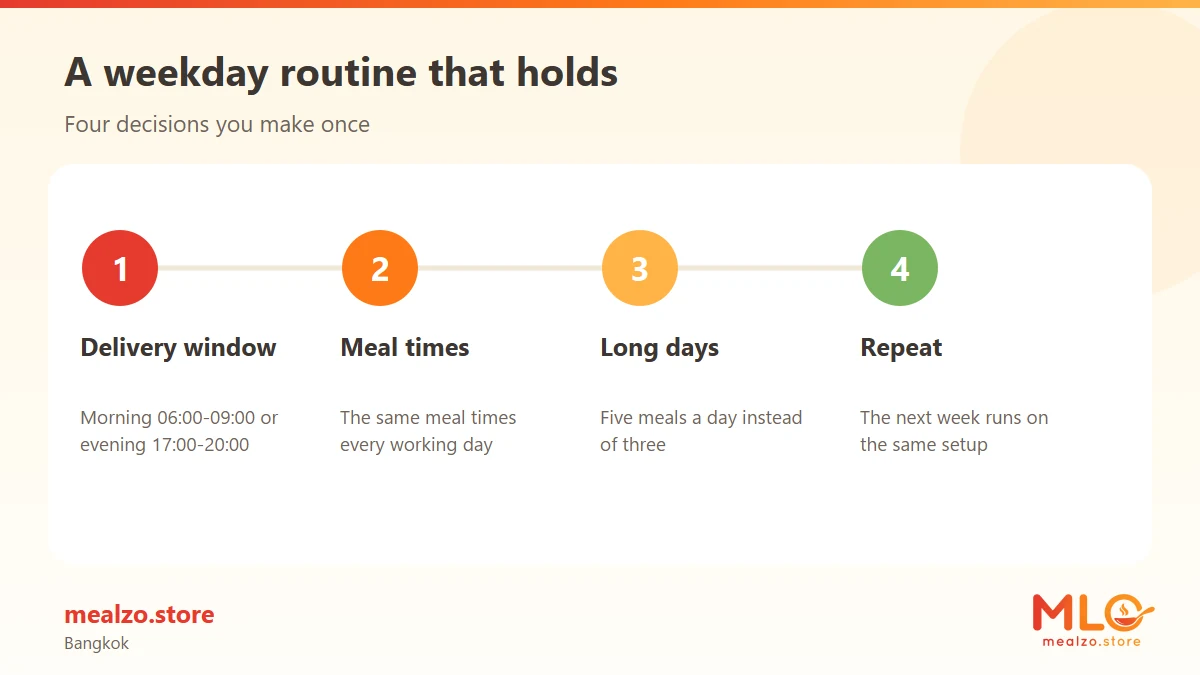
The useful way to combine a plan with a buffet is straightforward. Treat the buffet as one meal among many during the week rather than deliberately skipping planned meals earlier to create extra room. That keeps the day closer to its normal rhythm.
People who want to see the available options can view Mealzo Bangkok meal plans.
The plan provides structure when structure is useful. The buffet remains a social meal. Neither needs to pretend the other does not exist.
Key takeaway: A routine is more useful when it can absorb an occasional buffet without turning the meals before or after it into compensation.
FAQ
Should I skip breakfast or lunch before a Bangkok buffet?
Usually, deliberately arriving extremely hungry makes the buffet harder to manage. Strong hunger can push you to eat faster and choose more food before you have had time to look around. Following a broadly normal routine beforehand usually makes deliberate choices easier.
Is a hotel buffet harder to manage than BBQ or shabu?
Not necessarily, but the challenges are different. Hotel buffets encourage variety and long grazing. BBQ and shabu encourage repeated ordering while food cooks. Seafood and sushi buffets make it easy to lose track because many small dishes arrive over time. Knowing which pattern you are dealing with is more useful than deciding that one format is automatically better.
Do I need to avoid sauces, cocktails or dessert?
No. The practical issue is that these items can continue in the background after the main meal is already satisfying. Enjoy what you actually want, but notice whether you are choosing it because it tastes good or simply because it is included.
What should I do if everyone else at the table keeps ordering?
You can stop eating without stopping the social part of the meal. Continue talking, cooking or sharing the table. A short comment that you are satisfied or slowing down is usually enough. There is no need to explain your eating choices or persuade anyone else to change theirs.
Can I still go to buffets while using a Mealzo Bangkok meal plan?
Yes. A buffet can simply be one meal within a broader weekly routine. The practical approach is not to skip earlier plan meals purely to create room, because arriving extremely hungry can make the buffet more difficult to pace.
Mealzo Bangkok is a kitchen and meal delivery service operating exclusively in Bangkok, Thailand. We are not affiliated with similarly named services outside Thailand.
Find a Meal Plan That Fits
Compare Mealzo plans or use the calculator to explore meal options for your needs.