Dairy- and Egg-Free Meal Planning: Protein, Calcium and Variety
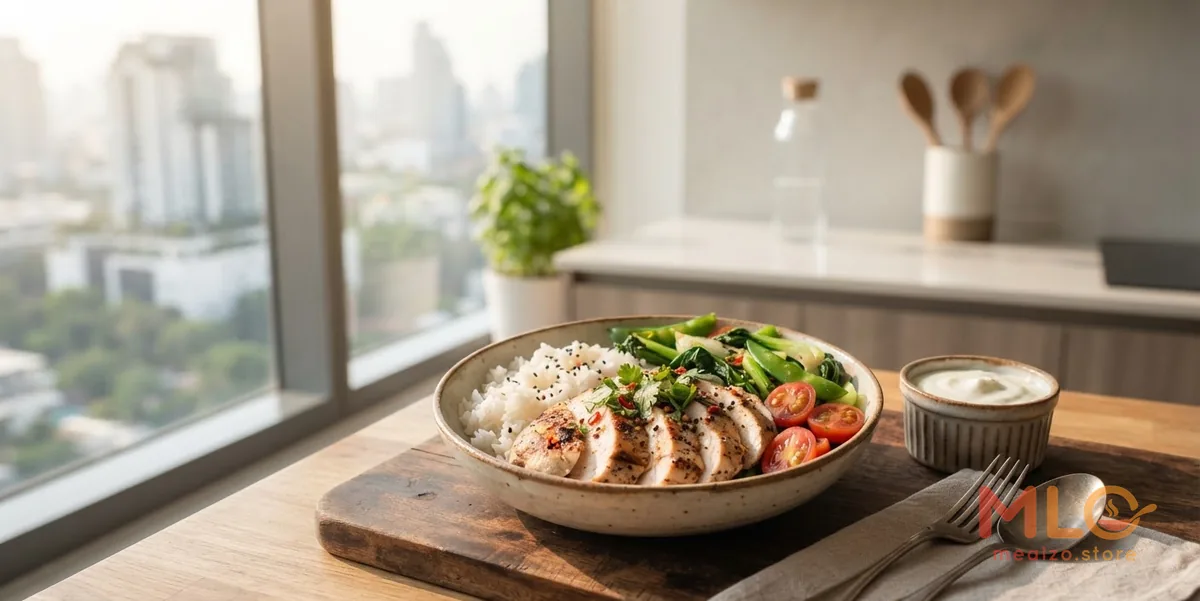
A dairy and egg free meal plan changes more than breakfast. Milk, cheese, butter and eggs are obvious ingredients, but they also affect texture, richness, binding and the way familiar dishes are assembled. Remove them and a meal still needs to feel complete rather than like several ingredients have simply disappeared.
The good news is that everyday food already offers plenty of ways to build satisfying plates without relying on dairy or eggs. Rice, noodles, tofu, legumes, vegetables, fish, seafood, meat, seeds, nuts and coconut-based ingredients can all play different roles. Thai cooking is especially useful territory because many savoury dishes traditionally depend far more on coconut milk, herbs, chilli, lime, vegetables and stock than on cream or cheese.
People avoid dairy, eggs or both for different reasons. From a food-planning perspective, the useful question is practical: what replaces their culinary role, where do protein and calcium come from, and how do you keep enough variety over several days?
Mealzo approaches this in two separate ways. There is a Dairy & Egg Free plan, while customers can separately declare milk and egg among nine allergen groups so dishes containing those declared allergens are not assigned. The kitchen is shared, and trace cross-contact is not eliminated.
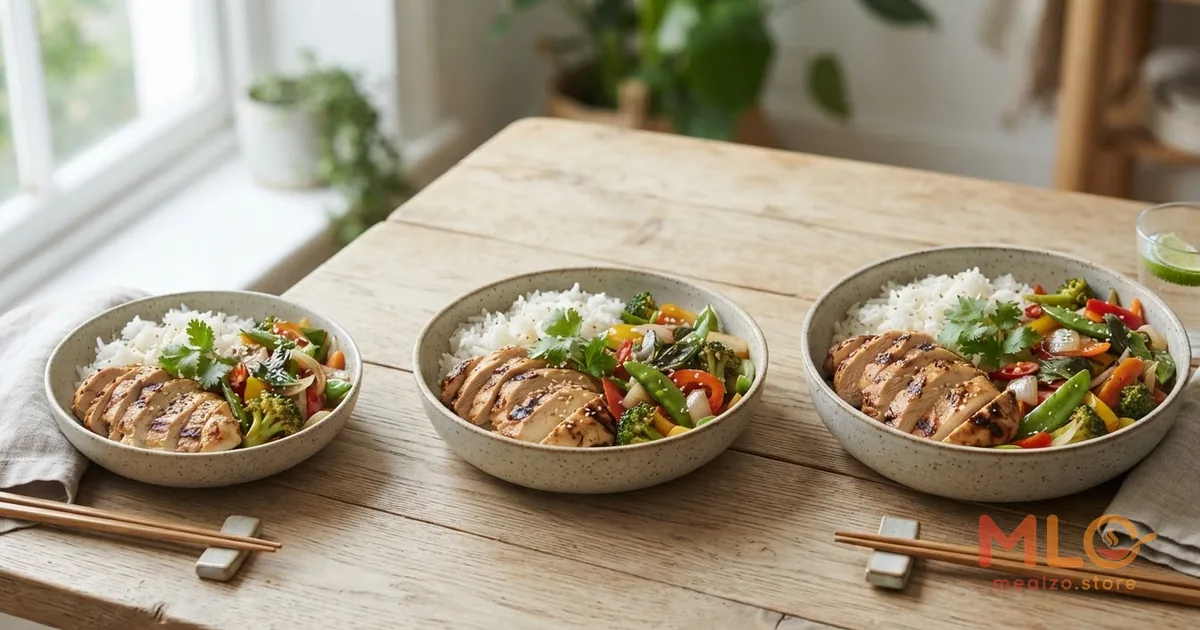
1. Start with what dairy and eggs actually do on the plate
Removing ingredients is easy. Rebuilding the meal is the part that deserves attention.
Dairy can contribute creaminess, fat, saltiness and richness. Eggs can provide protein, structure, binding and a familiar centrepiece at breakfast. If either disappears without replacement, the result may be technically different but less satisfying.
A useful dairy and egg free meal plan therefore starts by looking at functions rather than searching for a single universal substitute.
A creamy sauce may need coconut milk rather than dairy cream. A breakfast that once centred on eggs may need tofu, meat, fish or legumes as its main protein. A salad normally finished with mayonnaise may work better with a sesame, citrus or herb-based dressing.
That is why understanding meal plans for common food restrictions can be more useful than thinking in terms of a long list of forbidden foods. Good planning focuses on how the whole dish works after an ingredient changes.
Key takeaway: Removing dairy or eggs works best when their role in the dish is replaced, not merely deleted.
2. Protein does not have to come from eggs or cheese
Eggs and dairy are convenient protein foods, but they are not the only way to build a protein-focused meal. The alternative depends on the dish.
For savoury meals, useful protein components can include:
- chicken, pork, beef, fish or seafood where they fit the eating pattern
- tofu and other soy-based foods
- beans, lentils and chickpeas
- nuts and seeds as supporting ingredients
- combinations of grains, legumes and vegetables in plant-based meals
The objective is not to force one replacement into every situation. Tofu may work naturally in a Thai stir-fry, while chickpeas suit a grain bowl or salad. Fish may be the centre of one dinner, while a tofu-and-vegetable curry works better the next day.
For people who also eat fully plant-based meals, practical vegan meal planning for protein and micronutrients provides another useful framework. The principle carries over: variety matters because different foods contribute differently to the plate.
Build around a clear protein component
A simple planning habit is to identify the protein element before filling in the rest of the meal.
For example, start with tofu, chicken, fish or lentils. Add rice, noodles or another carbohydrate as appropriate. Then bring in vegetables, herbs, sauces and texture.
This keeps the meal structured. Without that step, dairy- and egg-avoiding meals can accidentally turn into plates built mostly around starch and vegetables, even when that was not the intention.
3. Calcium can come from everyday foods without dairy
Dairy is strongly associated with calcium, so removing it often raises an obvious food-planning question: what else can appear regularly on the plate?
Several everyday foods can contribute calcium, including tofu made with calcium-containing coagulants, sesame, tahini, some leafy greens, beans, almonds and certain fish eaten with their soft edible bones. Fortified foods may also contain calcium, depending on the specific product.
The useful approach is not to chase one perfect replacement for milk or cheese. Instead, bring several calcium-containing foods into normal meals where they make culinary sense.
| Everyday food | Practical way to use it |
|---|---|
| Tofu | Stir-fries, curries, soups, rice bowls |
| Sesame seeds | Toppings for vegetables, noodles or rice |
| Tahini | Dressings, sauces and dips |
| Leafy greens | Stir-fries, soups and mixed vegetable dishes |
| Beans | Curries, salads, stews and grain bowls |
| Almonds | Snacks, toppings or part of mixed dishes |
| Fish with soft edible bones | Served with rice, vegetables or salads |
| Fortified foods | Used according to the product and meal |
Calcium planning is one part of building varied food. Anything beyond food planning belongs to a doctor.
Key takeaway: A non-dairy plate can draw calcium from several ordinary foods instead of depending on a single substitute.
4. Thai food often makes dairy easier to replace
Thai savoury cooking frequently uses little dairy in the first place. Coconut milk provides richness in many curries and soups where another cuisine might use cream. Fresh herbs, chilli, lime, tamarind, garlic, shallots and fish sauce can create intensity without cheese or butter.
That makes many Thai-style meal structures useful starting points.
A curry with coconut milk, vegetables and a suitable protein does not need to imitate a cream-based dish. A stir-fry built around tofu, meat or seafood already has its own logic. Rice, soups, grilled proteins and vegetable dishes also fit naturally into this style of planning.
This does not mean every Thai dish automatically excludes milk or egg. Ingredients still have to be checked dish by dish. Prepared sauces, bakery items, desserts and mixed dishes can change the picture considerably.
Coconut milk is not dairy cream
Coconut milk and dairy cream are different ingredients with different flavours. That difference is worth accepting rather than hiding.
In a Thai curry, coconut milk belongs. In another dish, forcing coconut milk into a recipe simply because dairy cream has been removed may change the character too much. Sometimes the better option is a lighter sauce based on stock, tomato, sesame, herbs or blended vegetables.
5. Dairy and egg often hide in familiar mixed dishes
The obvious ingredients are not always the ones that create the most confusion.
Milk may appear in desserts, bakery items, creamy dressings or sauces. Butter can be part of pastries and baked products. Cheese may appear in Western-style pasta, sandwiches or gratins.
Egg is particularly common in:
- some noodle and fried-rice dishes
- mayonnaise and mayonnaise-based salads
- bakery products
- desserts
- batters and coatings
- some sauces and mixed preparations
This is where ingredient information becomes more useful than guessing from a dish name. how to read ingredient and allergen information in prepared meals explains the distinction in more detail.
A noodle dish, for example, may contain egg in the noodles, include scrambled egg in the finished dish, or contain neither. The name alone does not always tell you which version you are looking at.
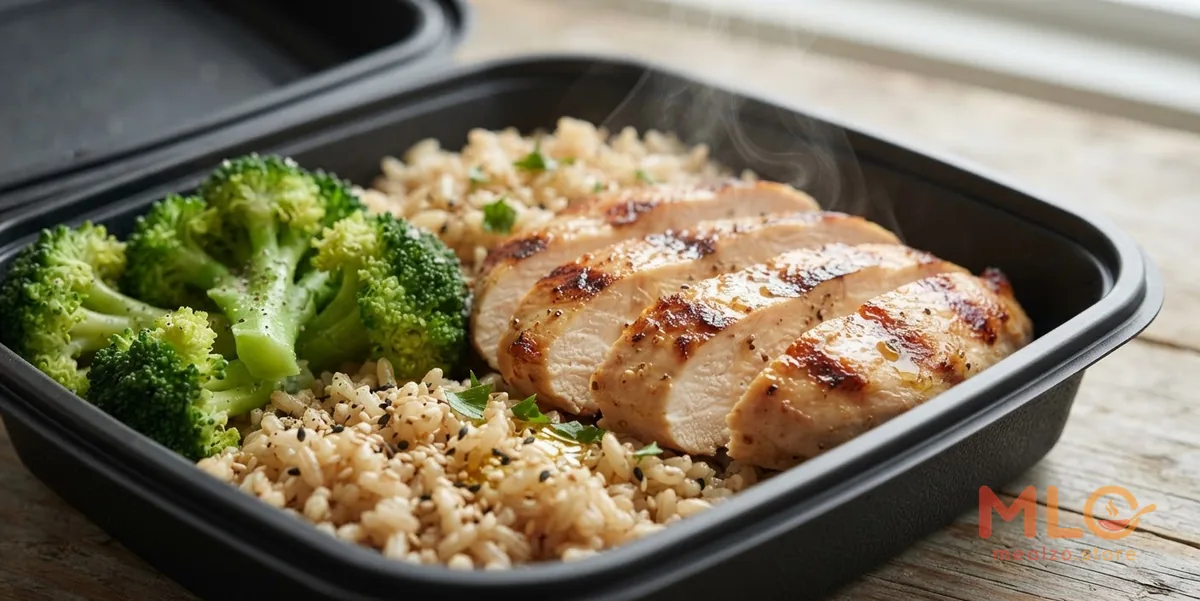
6. Use swaps that preserve the dish, not just the ingredient list
The best replacement is the one that keeps the meal coherent.
A swap should consider texture, flavour, protein and cooking method. Replacing cheese with nothing may leave a dish dry. Replacing mayonnaise with plain oil may remove too much body. Replacing eggs at breakfast with more bread changes the nutritional shape of the meal as well as the texture.
Here are practical examples.
| Original role | Possible swap | Why the dish still works |
|---|---|---|
| Dairy cream in Thai curry | Coconut milk | Keeps richness while fitting the cuisine |
| Dairy cream in a light savoury sauce | Stock, blended vegetables or sesame-based sauce | Adds body without forcing coconut flavour |
| Egg as breakfast protein | Tofu, fish or meat | Keeps a clear protein component |
| Mayonnaise dressing | Sesame, herb or citrus dressing | Restores moisture and flavour |
| Cheese as savoury topping | Toasted seeds, nuts or herbs | Adds texture and flavour contrast |
| Butter in some cooking applications | Appropriate cooking oil | Maintains cooking fat where the recipe allows |
| Egg in a mixed rice dish | Additional tofu, meat or vegetables | Keeps substance and variety |
| Creamy dip | Tahini- or bean-based dip | Provides body and works with vegetables or grains |
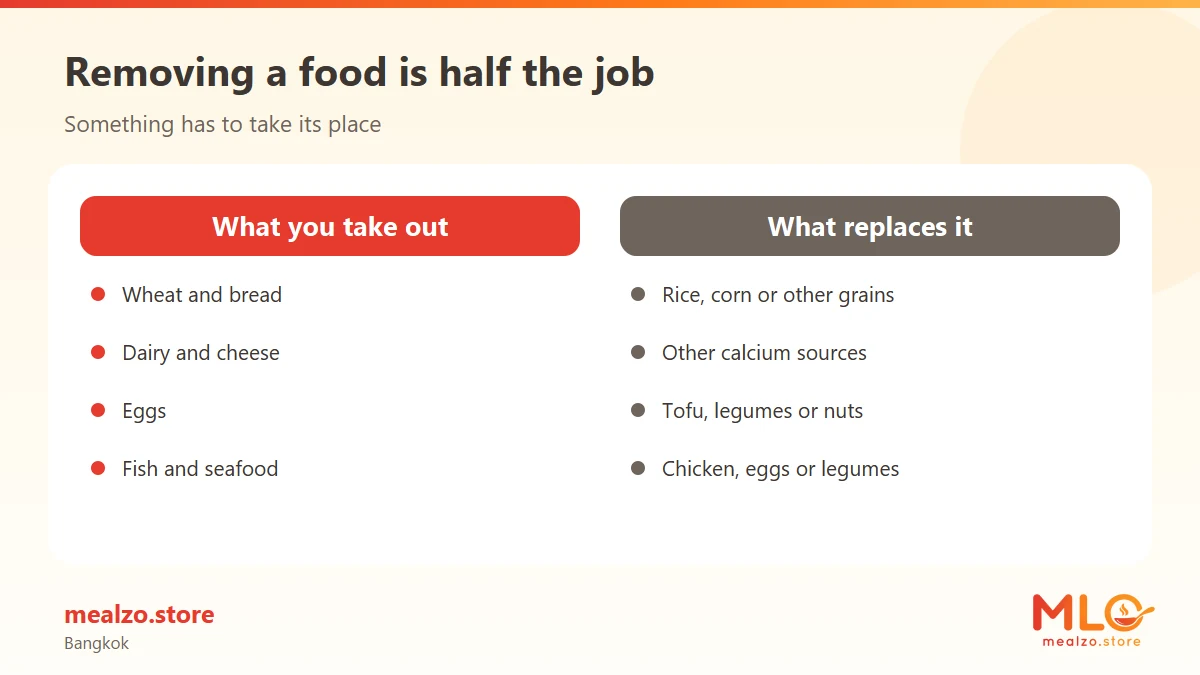
Key takeaway: A useful swap preserves the structure of the meal rather than trying to make every replacement taste exactly like dairy or egg.
7. Breakfast needs the most deliberate rebuilding
Breakfast is where eggs and dairy often do several jobs at once.
Eggs may be the main protein. Milk may appear in cereal, coffee or porridge. Yogurt can form the base of a bowl. Cheese may turn a sandwich into something more substantial.
Without those ingredients, breakfast benefits from being redesigned rather than reduced.
Possible structures include:
- tofu with vegetables and rice
- fish or meat with rice and vegetables
- porridge built around suitable non-dairy ingredients, fruit, nuts or seeds
- bean- or tofu-based savoury bowls
- rice dishes with vegetables and a separate protein component
Bangkok makes savoury breakfast especially practical because rice, soups and noodle-style meals already sit comfortably outside the Western breakfast template. The key is still to verify ingredients rather than assuming that a familiar Thai breakfast contains no milk or egg.
8. Variety comes from rotating meal structures
Avoiding two common ingredients can make people repeat the same few meals. The solution is not necessarily more complicated recipes. It is usually more useful to rotate formats.
One day might use a stir-fry, another a curry, another a soup and rice combination, another a salad bowl, and another a grilled protein with vegetables.
You can also rotate the main protein:
- tofu
- beans or lentils
- fish or seafood
- chicken or other meat
- nuts and seeds as supporting components
Then rotate the carbohydrate, vegetables, herbs and sauce profile.
This creates variety without requiring every dish to be completely unrelated to the one before it. A good weekly pattern often repeats useful building blocks while changing the overall combination.
9. Dairy & Egg Free is a plan choice; allergen declaration is separate
This distinction matters with Mealzo.
Dairy & Egg Free is one of the 12 available meal plans. The full list is Balanced, Weight Loss, High Protein, Vegetarian, Vegan, Keto, Low-Carb, Gluten Free, Easy-to-Digest, Pescatarian, No Fish & Seafood, and Dairy & Egg Free.
Separately, customers can declare allergens from nine groups: peanuts, tree nuts, shellfish, fish, milk, egg, soy, wheat/gluten and sesame. When milk or egg is declared, dishes containing the declared allergen are not assigned.
Those are two different mechanisms: choosing a PLAN and making an ALLERGEN DECLARATION.
The same distinction applies elsewhere. For example, someone comparing multiple restriction-based options may also want to understand what gluten-free means in meal planning, because a plan category and an ingredient-level declaration answer different practical questions.
The shared kitchen remains relevant here too: trace cross-contact is not eliminated.
10. How Mealzo assembles the package
Mealzo packages are configured from the selected meal plan, calorie level and meal count. The menu for the package is then assembled automatically from those choices.
There are six daily calorie levels: 1200, 1500, 1800, 2000, 2200 and 2500 kcal. Customers can choose 3 or 5 meals per day, with packages lasting 3, 7, 14 or 30 days.
For delivery in Bangkok, the two windows are 06:00-09:00 and 17:00-20:00. The kitchen is in Bang Na.
For someone considering Dairy & Egg Free alongside the other available formats, compare Mealzo meal plans and package options is the commercial starting point.
The practical benefit of this structure is consistency. Instead of reconstructing every day manually, the plan, calorie level and meal count establish the framework from which the package menu is assembled.
11. A simple way to judge whether the plate still works
When dairy and eggs are removed, look at the whole plate rather than the missing ingredients.
Ask four straightforward questions. Is there a clear protein component? Is there a sensible carbohydrate source for this meal? Are vegetables or other plant foods doing more than serving as decoration? Is there enough flavour and texture to make the dish feel finished?
Then look across several days. If tofu appears repeatedly, change the protein. If every meal depends on coconut milk, switch some dishes to grilled, stir-fried, broth-based or sesame-based formats. If the same rice bowl appears every afternoon, change the structure rather than only the topping.
A dairy and egg free meal plan is easier to sustain as a food routine when it feels varied in its own right, rather than like a conventional menu with two ingredients constantly missing.
Key takeaway: Judge the finished plate by its protein, structure, flavour and variety, not by how closely it imitates a dairy- or egg-based dish.
FAQ
Does Mealzo have a Dairy & Egg Free plan?
Yes. Dairy & Egg Free is one of Mealzo's 12 meal plans. Customers separately have the option to declare milk and egg among the nine allergen groups, which prevents dishes containing those declared allergens from being assigned. The plan selection and allergen declaration are separate mechanisms.
Is the Dairy & Egg Free plan suitable as a safeguard for a severe allergy?
No. It should not be treated as a safeguard for a severe allergy. Mealzo uses a shared kitchen, and trace cross-contact is not eliminated.
What can replace eggs as the main protein at breakfast?
Depending on the meal, tofu, fish, meat, beans or other legumes can take the central protein role. The best choice depends on the rest of the dish rather than on finding one universal egg substitute.
How can a meal include calcium without dairy?
Foods such as calcium-set tofu, sesame, tahini, some leafy greens, beans, almonds, certain fish eaten with soft edible bones and suitable fortified foods can contribute calcium. It is usually more practical to rotate several of these foods than to rely on a single replacement.
Is Thai food naturally easier to adapt without dairy?
Many savoury Thai dishes use little dairy because coconut milk, herbs, stock, chilli, lime and other ingredients provide richness and flavour. Dairy and egg can still appear in desserts, bakery products, noodle dishes, mayonnaise-based salads and mixed preparations, so individual ingredients still matter.
Can milk and egg be declared separately from choosing the plan?
Yes. Mealzo's allergen declaration covers nine groups, including milk and egg. A customer can declare those separately from choosing a meal plan, and dishes containing a declared allergen are not assigned.
Find a Meal Plan That Fits
Compare Mealzo plans or use the calculator to explore meal options for your needs.