Vegan Meal Plans: Protein, Iron, B12 and Practical Planning
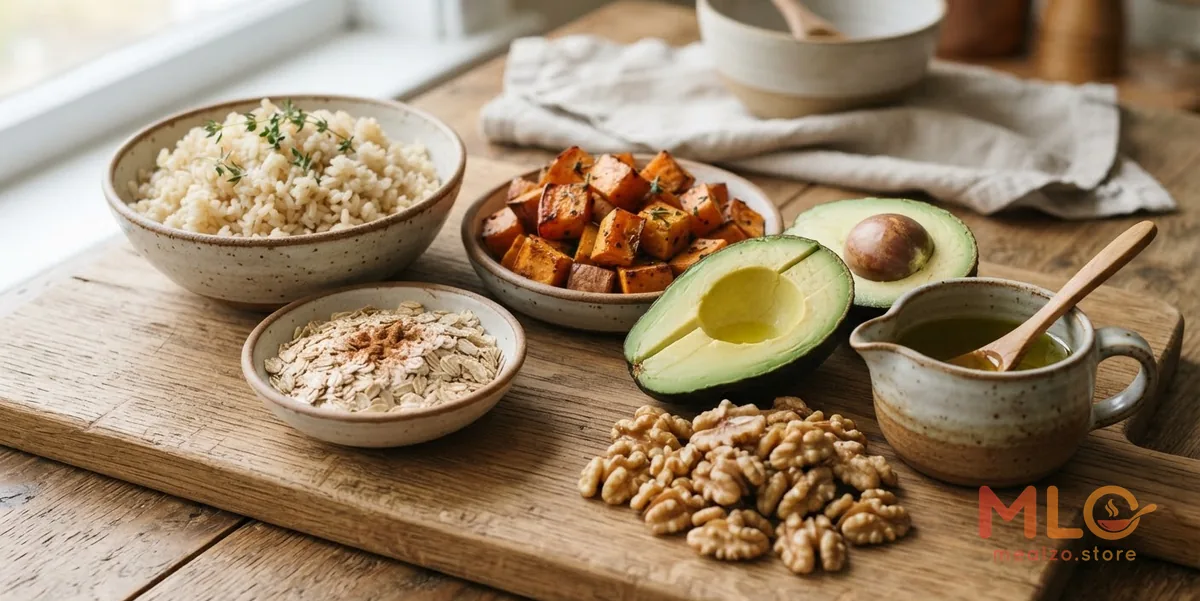
A vegan meal plan can be straightforward, but it works best when it is built around more than removing meat, fish, eggs and dairy. Once those foods disappear, the structure of the plate has to do more work.
Protein needs variety and deliberate placement across the day. Iron deserves attention because plant foods contain a different form from the iron found in animal foods. Vitamin B12 is a separate planning issue because ordinary unfortified plant foods are not dependable dietary sources.
None of that means every meal needs to become a nutrition project. In Bangkok, the practical challenge is usually simpler: finding a routine that fits work, traffic, delivery times, eating out and the occasional day when cooking is the last thing you want to do.
The useful question is therefore not whether a vegan diet can look impressive on paper. It is whether your normal Monday, Thursday and tired Sunday evening still contain meals with enough structure to make sense.

1. What a Vegan Meal Plan Actually Has to Cover
A vegan meal plan excludes animal-derived foods, but exclusion is only the starting point. A complete everyday meal still needs an energy source, a substantial protein component, vegetables or fruit, useful fats and enough variety that the same few ingredients do not carry the whole week.
That usually means working with several food groups rather than treating vegetables as the centre of every plate. Tofu with rice and vegetables is structurally different from a bowl of lettuce, even though both are technically vegan.
If you are still deciding between different plant-forward approaches, this guide to vegetarian, vegan and pescatarian meal plans explains the practical differences without treating one choice as automatically better than another.
A simple framework for lunch or dinner is:
- a clear protein base such as tofu, tempeh, beans, lentils or another legume
- rice, noodles, potatoes, whole grains or another substantial carbohydrate source
- vegetables rather than vegetables alone
- nuts, seeds, avocado, cooking oils or another source of dietary fat where appropriate
- fortified foods when they are being used to supply nutrients such as vitamin B12
Key takeaway: A vegan meal becomes easier to plan when the protein component is chosen first rather than added as an afterthought.
2. Protein: Build the Meal Around a Real Source
Plant foods contain protein, but that fact can be misleading if every small contribution is treated as equivalent. Rice contains some protein. So do vegetables. That does not make rice and vegetables alone the same kind of meal as rice with tofu, lentils or tempeh.
The useful approach is to identify one or more foods whose actual job in the meal is to provide protein. Their texture, preparation and portion then shape the rest of the plate.
| Plant protein source | What it brings to a meal |
|---|---|
| Tofu | A neutral, versatile protein base that works with stir-fries, curries, soups and rice dishes |
| Tempeh | A firmer fermented soy option with a dense texture that holds up well to grilling and pan cooking |
| Lentils | Protein plus starch and fibre, useful in soups, stews, dals and grain bowls |
| Chickpeas | A substantial base for curries, salads, spreads and roasted dishes |
| Other beans | Protein and carbohydrate together, suitable for soups, chilli-style dishes, bowls and wraps |
| Edamame | Soy-based protein that can be added to bowls, noodles, salads or served as a side |
| Seitan | A wheat-based protein food with a firm texture, where gluten is suitable for the person eating it |
| Peanuts and peanut products | Protein plus a significant amount of fat, useful in sauces, toppings and some main dishes |
| Nuts and seeds | Smaller protein contributions plus fats, texture and flavour; usually better as part of a meal than its only protein source |
Soy foods can be particularly practical because they fit many Thai and international dishes without forcing the rest of the meal into a special "vegan" format.
For a deeper explanation of why different protein foods are combined across a diet, see how plant and animal protein differ in meal planning.
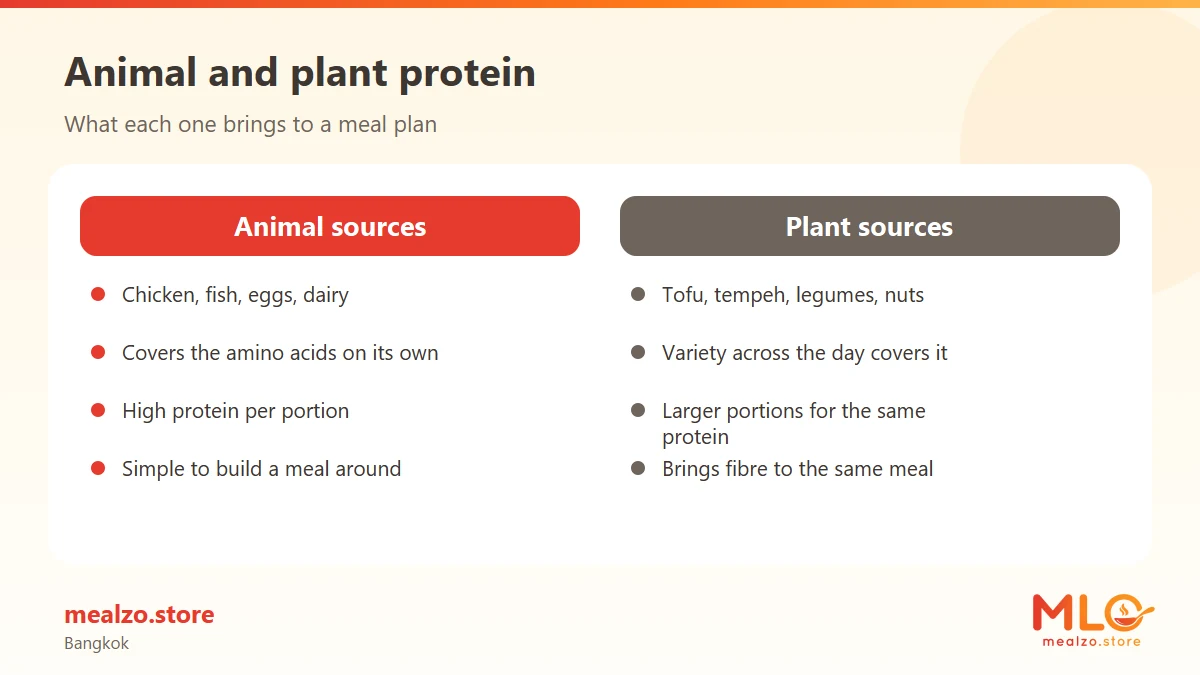
Protein quality does not require ingredient micromanagement
Different plant proteins have different amino-acid profiles. That is one reason variety matters. It does not require pairing a specific bean with a specific grain at every sitting.
Across a normal day, meals built from legumes, soy foods, grains, nuts and seeds create a much broader mix than a menu based repeatedly on one low-protein ingredient.
The practical rule is simple: vary the main protein foods over the week and make sure they are actually present in meals.
3. Iron Needs More Than a List of "Iron Foods"
Iron in plant foods is non-haem iron. Its absorption is influenced by the composition of the meal, so planning is partly about context rather than simply identifying ingredients that contain iron.
Plant foods that can contribute iron include legumes, soy foods, seeds, some nuts, whole grains and various green vegetables. Fortified foods can contribute as well, depending on the product.
Vitamin C-containing foods can be placed in the same general meal pattern. In Bangkok, that is not difficult: fresh fruit, lime, guava, papaya, chilli, tomatoes and many vegetables can naturally appear alongside meals containing legumes or tofu.
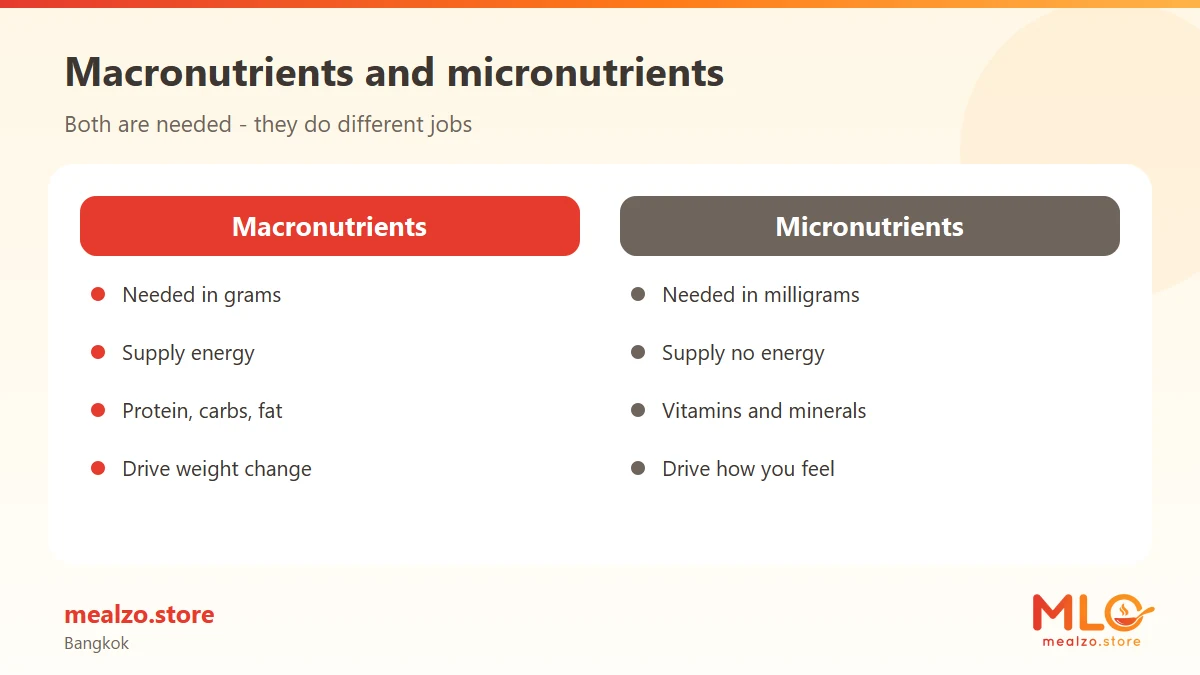
This is a useful example of why nutrients should not be considered in isolation. Our explanation of macronutrients and micronutrients looks at that distinction in more detail.
Key takeaway: For iron, think about both the plant food providing it and the other foods that normally share the plate.
4. Vitamin B12 Is a Separate Planning Question
Vitamin B12 is different from protein because it is not reliably supplied by ordinary unfortified plant foods. A meal can contain tofu, beans, vegetables, grains, nuts and seeds and still not have a dependable food source of B12.
For someone eating fully plant-based, fortified foods can therefore have a specific role. The relevant point is the label: a product needs to state that vitamin B12 has been added. Simply being vegan, fermented, traditional or marketed as nutritious does not establish that it is a dependable B12 source.
Examples may include certain fortified plant drinks, breakfast cereals, nutritional yeast products or other fortified foods, but formulation differs between brands and countries. The label matters more than the product category.
Anything beyond food planning for B12 or iron belongs with a doctor.
5. Macro Planning and Micronutrient Planning Are Different Jobs
A meal may provide plenty of calories and still leave certain micronutrients unaddressed. The reverse can happen too: a plate full of colourful vegetables may offer variety but be too insubstantial to function as the main meal for that person.
That is why it helps to separate two questions.
| Planning question | Examples of what you are looking at |
|---|---|
| Does the meal have enough overall structure? | Energy, protein, carbohydrate and fat |
| Does the wider diet contain enough variety? | Different legumes, vegetables, fruits, grains, nuts, seeds and fortified foods |
| Are nutrients with specific food-source issues being considered? | B12 from clearly fortified foods; iron from suitable plant foods |
| Is the same narrow menu repeating constantly? | Whether a few dishes are carrying nearly the entire diet |
| Does the plan fit everyday life? | Meal timing, availability, preparation, delivery and eating away from home |
A good vegan meal plan does not solve these questions by adding more ingredients to every plate. It solves them across the day and week.
6. Variety Matters, but It Does Not Mean Eating Something New Every Day
Consistency becomes harder when people interpret variety as constant novelty. You do not need thirty different breakfasts.
A much more workable pattern is controlled repetition. Keep several dependable meals, then rotate the protein, vegetables, grains, sauces and toppings around them.
For example:
- tofu stir-fry with rice and vegetables
- lentil curry with rice and a vegetable side
- tempeh bowl with grains, vegetables and seeds
- chickpea curry with potatoes or rice
- noodles with tofu, greens and peanuts
- bean-based soup with bread or another grain
- oatmeal with fortified plant drink, fruit, nuts and seeds
The structure stays familiar even while the ingredients change.
People who include dairy or eggs have a somewhat different set of options; vegetarian protein and meal variety in practice covers that model separately.
7. Bangkok Makes Some Parts Easy and Others Annoying
Bangkok has abundant vegetables, fruit, rice, noodles, soy products and plant-based dishes. The difficulty is not necessarily finding something without meat. The difficulty is knowing whether a convenient meal has enough substance and whether sauces, stocks, toppings or condiments fit the way you have chosen to eat.
Ordering a vegetable dish and white rice can solve the "is there meat on the plate?" question while leaving the protein question untouched.
A practical Bangkok routine is to recognise the meals that already work and stop renegotiating lunch from zero every day. That might mean knowing which dishes can reliably include tofu, which shops stock fortified foods you actually use and which meals travel well to the office.
For a broader routine built around workdays and unpredictable schedules, see staying consistent with plant-based eating in Bangkok.
Key takeaway: Convenience is more useful when you have a repeatable meal structure, not merely a list of places that sell vegan food.
8. How to Build a Practical Day Without Overcomplicating It
You can plan a day by giving each meal a job.
Breakfast does not have to imitate lunch. It might combine oats, a fortified plant drink, fruit, seeds and nuts. Another person may prefer rice, tofu and vegetables in the morning. The label on the meal matters less than the ingredients.
Lunch and dinner can follow a more obvious plate structure: one main protein food, one substantial carbohydrate base and vegetables, with fats and sauces completing the meal.
Snacks, when used, can support the overall pattern rather than compensating for weak main meals. Fruit with nuts, edamame, a bean-based spread or another substantial option makes more sense than assuming every snack has to resemble a protein product.
A simple daily checklist
Before deciding that the day is planned, ask:
- Where is the main protein source in each major meal?
- Have I relied on more than one protein food across the day?
- Are vegetables or fruit appearing in several places?
- Is there a clear food-based plan for B12?
- Are iron-containing plant foods appearing regularly?
- Is this amount of preparation realistic for the day I actually have?
That final question prevents good intentions from turning into a menu that survives only until the first late meeting.
9. Meal Delivery Can Remove Decisions, Not Nutrition Logic
Prepared meals can reduce shopping, cooking and daily menu decisions, but the same planning principles still apply. A vegan label alone does not tell you how the day is structured.
Mealzo has a Vegan plan among its 12 available meal plans. Customers choose from 1200, 1500, 1800, 2000, 2200 or 2500 kcal per day, with either 3 or 5 meals, and packages lasting 3, 7, 14 or 30 days. The menu for the package is then assembled automatically from the selected plan, calorie level and meal count.
Those calorie levels are product options, not personal medical recommendations. Mealzo also provides a calorie calculator using the Mifflin-St Jeor formula as an estimate rather than medical advice.
If prepared meals fit your schedule, you can compare the available Mealzo meal plans and package options rather than rebuilding the day from individual restaurant orders.
10. Food Restrictions Still Need to Be Declared Separately
"Vegan" and "allergen handling" describe different things. A vegan dish can still contain ingredients such as soy, wheat, peanuts, tree nuts or other allergens.
Mealzo customers can declare allergens from nine allergen groups. Dishes containing a declared allergen are then not assigned to that customer. This is a menu-assignment mechanism, not a guarantee that meals are allergen-free.
That distinction matters whenever several dietary requirements overlap. The right approach is to state the plan choice and the allergen information separately instead of assuming one automatically covers the other.
11. Delivery Timing Should Fit the Routine You Already Have
A meal plan becomes much easier to follow when receiving the meals does not create another scheduling problem.
Mealzo delivers across Bangkok from its kitchen in Bang Na, with morning delivery from 06:00-09:00 or evening delivery from 17:00-20:00.
For someone who leaves home early, an evening window may fit better. For someone who wants the day's meals in place before work begins, morning delivery may make more sense. There is no nutritional advantage to either window; it is an operational decision.
This is the same principle that applies to the whole vegan meal plan: the most detailed menu is not particularly useful if it clashes with the way the week actually works.
12. A Better Way to Judge Whether the Plan Is Practical
Instead of asking whether every individual meal looks perfect, look at the pattern.
Is there a recognisable protein source most times you eat a main meal? Are legumes, soy foods, grains, vegetables, fruit, nuts and seeds appearing across the week rather than in a single overloaded "healthy" bowl? Is B12 addressed through clearly identified fortified food sources? Are iron-containing plant foods part of ordinary meals rather than something remembered occasionally?
Then look at logistics. Can the food be bought, prepared, stored, ordered or delivered without requiring more attention than you realistically have?
Key takeaway: The strongest vegan meal plan is not the most elaborate one; it is the one whose nutritional structure still holds on ordinary busy days.
FAQ
Can a vegan meal plan provide enough protein from food?
A vegan menu can contain substantial protein when meals deliberately use foods such as tofu, tempeh, lentils, beans, chickpeas, edamame, seitan, nuts and seeds. The useful question is not whether plants contain protein, but whether meaningful protein sources are consistently built into the meals.
Do I need to combine specific plant proteins at every meal?
Not necessarily. Different plant proteins have different amino-acid profiles, so variety across the day and week is more practical than trying to engineer a particular pairing at every sitting. A routine using legumes, soy foods, grains, nuts and seeds naturally creates broader variety.
Where does vitamin B12 come from in a fully plant-based food plan?
Ordinary unfortified plant foods are not dependable dietary sources of vitamin B12. Fortified foods can provide B12 when the product label specifically states that B12 has been added. Product formulations differ, so the label is the relevant source of information.
Which vegan foods can contribute iron?
Legumes, soy foods, seeds, some nuts, whole grains, green vegetables and certain fortified foods can contribute iron. Plant foods provide non-haem iron, so it is useful to think about the complete meal rather than viewing a single ingredient in isolation.
Is a vegan meal automatically balanced because it contains vegetables?
No. Vegetables are one part of a meal. A main meal still needs enough overall structure, including a substantial protein component, an energy source and other foods that create variety across the day.
Can Mealzo deliver a vegan meal plan throughout Bangkok?
Mealzo offers a Vegan plan and delivery across Bangkok. Customers can select 3 or 5 meals per day, one of six calorie levels and a 3-, 7-, 14- or 30-day package, with delivery during either 06:00-09:00 or 17:00-20:00.
Find a Meal Plan That Fits
Compare Mealzo plans or use the calculator to explore meal options for your needs.