Hydration in Bangkok: Water, Heat and What to Drink Through the Day
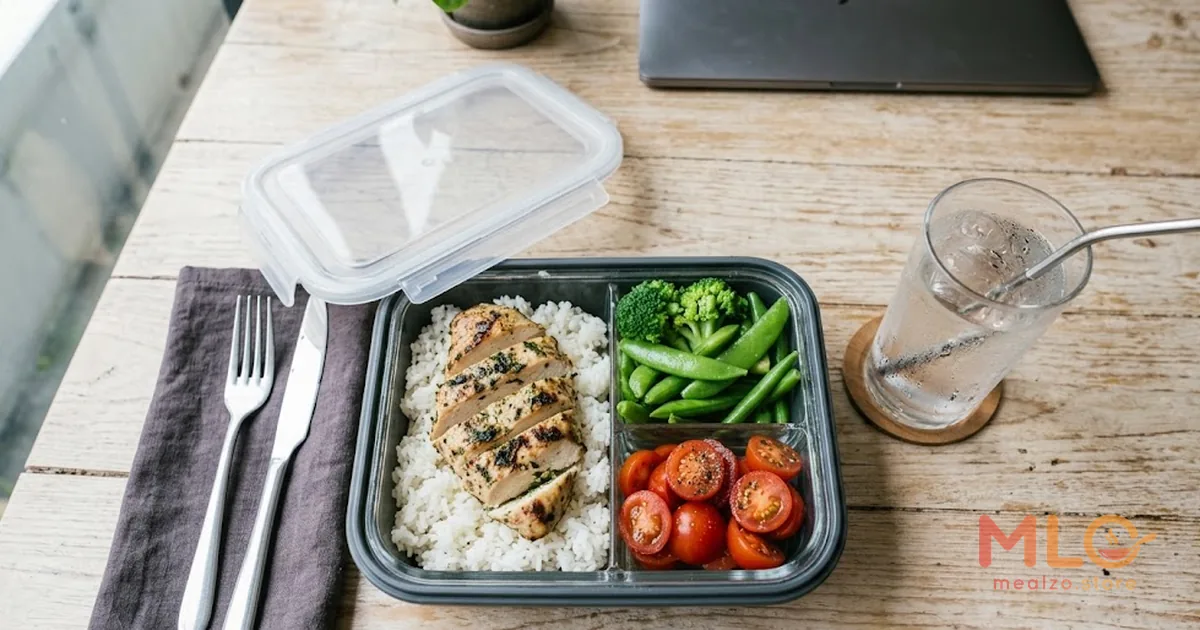
Bangkok has a way of making you forget about water until late afternoon. You start the morning in an air-conditioned apartment, travel to an air-conditioned office, sit through meetings and step outside briefly for lunch. By four o'clock, you have a headache and suddenly realise you have barely had anything to drink.
Water is not particularly difficult to find in Bangkok. The problem is remembering to drink it when the day keeps changing around you. Cool indoor spaces hide the heat, short outdoor walks feel insignificant, and a busy schedule makes drinking easy to postpone.
Good hydration in Bangkok heat is less about following a strict drinking target and more about building a routine that survives an ordinary working day. You do not need a collection of supplements or a complicated tracking system.
This guide explains what changes when you move between air conditioning and humid streets, which drinks make sense, how food contributes fluid, and how to make drinking regularly feel like part of your day rather than another task.
1. Hydration in Bangkok Is Mostly a Logistics Problem
Think about a typical Bangkok weekday.
You wake up, get ready, travel to work and buy coffee. At the office, you become absorbed in emails. Lunch involves a short walk outside, followed by several hours indoors. Then comes the journey home.
You might spend very little time continuously exposed to the heat, but you experience it repeatedly.
The problem is not necessarily that you refuse to drink water. It is that drinking never becomes part of the schedule.
Your bottle stays in your bag. The office water cooler is across the floor. You decide to drink after a meeting, then another meeting starts.
By the evening, you try to compensate by drinking a large amount at once.
A better approach is to make water available before you need to think about it. Keep it within reach, connect drinking to activities that already happen, and take advantage of natural breaks.
The amount you need depends on your body, activity, food, environment and how much you sweat. A quiet office day and an afternoon spent walking outdoors do not create identical needs.
There is no reason to force the same amount every day.
The practical goal is regular access and attention, not reaching an arbitrary number before bedtime.
2. Why Air Conditioning Makes It Easy to Forget Water
Air conditioning changes how you experience a Bangkok day.
In a cool office, you sweat less and may feel comfortable for hours. Conditioned indoor air can also be relatively dry, but you might not notice moisture loss because your skin is not visibly wet.
You become absorbed in work and stop thinking about drinking.
Then you leave the building.
The short walk to lunch, a taxi queue or a journey to the nearest BTS station exposes you to a very different environment. You start sweating, feel hot and hurry toward the next air-conditioned space.
Once inside, the discomfort disappears, and so does the reminder to drink.
This pattern can make an office worker surprisingly inconsistent about hydration. Someone working outdoors may have more obvious reasons to drink regularly, although their exposure and fluid needs can also be much greater.
The solution is not to wait until you feel hot.
Put water on your desk when you arrive. Drink during natural breaks, and have some before leaving the building for lunch or the commute.
If the water cooler is too far away, use a larger refillable bottle. If meetings regularly overrun, bring water into the meeting whenever possible.
Remove the practical obstacles rather than relying on discipline.
Key takeaway: Keep water within reach while you are comfortable indoors, rather than waiting until you step outside and feel thirsty.
3. Humidity Changes How Heat Feels
Bangkok's humidity makes outdoor heat feel different from the dry heat you might experience elsewhere.
Your body produces sweat to help release heat. Evaporation is an important part of that cooling process.
When the surrounding air is already humid, sweat evaporates less efficiently. You may remain sweaty and uncomfortable even while your body continues trying to cool itself.
Wet clothing does not necessarily mean effective cooling.
This explains the familiar experience of walking a short distance down a soi and arriving with a damp shirt, even though the journey seemed too brief to matter.
Moving air, shade and time away from direct sun can make outdoor exposure more manageable. Drinking regularly matters too, but water does not replace sensible breaks from heat.
There is another important distinction: feeling sweaty does not tell you precisely how much fluid you have lost.
People sweat differently, and conditions change throughout the day.
Use the weather, your activity and your own experience as context. Do not try to calculate fluid needs from how wet your shirt looks.
4. Thirst Is Useful, but It Should Not Run Your Entire Schedule
Thirst tells you that your body wants fluid. It is a useful signal, but it is not always an early or complete guide to what you will need during a hot day.
If you wait until you are intensely thirsty before every drink, you may spend hours overlooking opportunities to drink comfortably.
On the other hand, there is no benefit in forcing water continuously when you are already comfortable and adequately hydrated.
The useful approach lies between those extremes.
Pay attention to ordinary observations:
- You realise you have not had anything to drink since breakfast.
- Your mouth feels dry, particularly after a long meeting or outdoor walk.
- You feel unusually thirsty after a commute.
- Your urine appears consistently darker than usual.
- You notice a headache or tiredness alongside a day of limited drinking.
None of these observations establishes a diagnosis. Headaches and fatigue have many possible explanations.
Urine colour can offer a rough clue over time, but it is not a hydration test. Vitamins, certain foods and some medicines can change its appearance. One unusual visit to the bathroom should not determine your drinking routine.
Look at the whole day instead.
Have you been outdoors? Have you exercised? Did you drink with meals? Are you feeling unusually thirsty?
If you have spent the day sweating heavily or drinking very little, make an appropriate adjustment.
If symptoms are significant, unusual or persistent, do not assume water alone is the answer.
5. The Small Outdoor Journeys Everyone Forgets
Bangkok commuters often underestimate how much heat they encounter because they count only the long journeys.
The smaller exposures disappear from memory.
You walk from home to the station. You wait on a BTS platform. You change trains, leave the MRT and walk to the office.
At lunch, you cross a busy road and walk along an exposed pavement. Later, you wait for a taxi or motorbike.
Each exposure may be short. Together, they become a meaningful part of the day.
This matters particularly when you move between cool interiors and humid streets without changing your drinking habits.
Try treating each commute leg as a reminder.
Drink before leaving home, keep water accessible during the journey and have some when you reach your destination.
You do not need to drink continuously while navigating crowded stations. Simply avoid making the entire commute a period when water is unavailable.
Rainy season adds another practical complication. Humidity can remain uncomfortable, while unexpected rain changes walking routes and delays transport. For the broader food and routine considerations, see eating well during Bangkok's rainy season.
The point is to anticipate interruptions.
If you know you will be outside, drink beforehand and make sure you have somewhere to get water afterward.
6. What to Drink Through a Bangkok Day
Plain water is the simplest everyday option. It provides fluid without adding sweetness, caffeine or alcohol.
But water is not the only drink that contributes fluid.
Tea and coffee count too, despite the common belief that they somehow cancel out the water they contain. Their caffeine content is worth considering, particularly if you are sensitive to it, but an ordinary serving still contributes fluid.
Bangkok's sweet iced drinks require a different distinction. They contain fluid, but they may also bring considerable sweetness depending on their preparation.
Here is how common choices fit into an ordinary day.
| Drink | What it does for fluid | What else comes with it | When it makes sense |
|---|---|---|---|
| Plain water | Provides fluid directly. | No added sugar or caffeine. | The everyday default at work, home and during commutes. |
| Plain tea | Contributes fluid. | Caffeine in some varieties. | A regular drink if you enjoy it and tolerate the caffeine. |
| Black coffee | Contributes fluid despite its caffeine. | Caffeine that may affect sleep or cause discomfort for some people. | An enjoyable morning drink, not a reason to skip water. |
| Thai iced sweet drinks | Provide fluid. | Often added sugar and sometimes caffeine or milk. | An occasional enjoyable drink rather than your only source of fluid. |
| Soft drinks | Contribute fluid. | Often added sugar, sometimes caffeine; formulations vary. | A personal preference, but water is simpler for everyday thirst. |
| Sports drinks | Provide fluid and usually added electrolytes. | Often sugar or sweeteners; ingredients vary. | Selected prolonged or demanding activity when extra replacement is appropriate. |
| Coconut water | Provides fluid. | Naturally occurring sugars and minerals. | A drink you enjoy, without assuming it is necessary for hydration. |
| Fruit smoothies | Contribute fluid. | Fruit, sometimes milk, sweeteners or other ingredients. | Alongside food or as part of a snack, depending on preparation. |
| Alcohol | Contains fluid but can increase fluid loss. | Alcohol and potentially added sugar in mixed drinks. | If you choose to drink, have water alongside it. |
A drink does not become useless simply because it contains sugar or caffeine. The distinction is what you are choosing it for.
If you want something refreshing on a hot afternoon, sweet iced tea may be enjoyable. If you are simply thirsty throughout the working day, plain water is easier to rely on.
For a closer look at the sweetness in popular local beverages, read the calories you drink in Bangkok.
Drinking water at home and outside
Bangkok residents use different arrangements for drinking water.
Some buy bottled water. Others use household filtration systems, delivered drinking water or refill stations.
Practices vary between buildings, households and individual refill facilities. Maintenance and the condition of the equipment matter, so choose a source you can assess and manage appropriately.
This article does not make a blanket safety claim about Bangkok tap water or any particular drinking-water supply.
For everyday convenience, the best arrangement is one that makes suitable drinking water consistently accessible.
A bottle beside your computer is more useful than water that requires you to interrupt work and walk across the building every time you want a drink.
Key takeaway: Plain water is a straightforward daily default, but unsweetened tea and coffee also contribute fluid.
7. Sweat Contains Salt, but That Does Not Mean Everyone Needs Electrolytes
Sweat contains water and salt.
That fact is sometimes turned into a suggestion that everyone living in Bangkok needs an electrolyte drink every afternoon.
For most healthy adults eating ordinary meals, that is an unnecessary conclusion.
Thai food can already contain substantial sodium through sauces, seasonings, soups and prepared dishes. Many people are not starting their day with a shortage of dietary salt.
The practical question is whether your circumstances involve losses beyond an ordinary working day.
Long periods of outdoor labour, demanding sport in the heat or substantial fluid loss during illness are different situations.
Additional fluid and electrolyte replacement may be appropriate in particular circumstances, but it should reflect actual needs rather than advertising. During an illness involving prolonged vomiting or diarrhoea, ask a doctor about appropriate fluid replacement.
For a fuller discussion of everyday sodium intake, see where salt and sodium hide in Thai food.
You do not need to compensate for an ordinary walk to lunch with a special drink.
8. Food Contributes More Fluid Than People Realise
Hydration is not exclusively about what you drink.
Food contains water too, and the contribution can be meaningful when you eat regular meals.
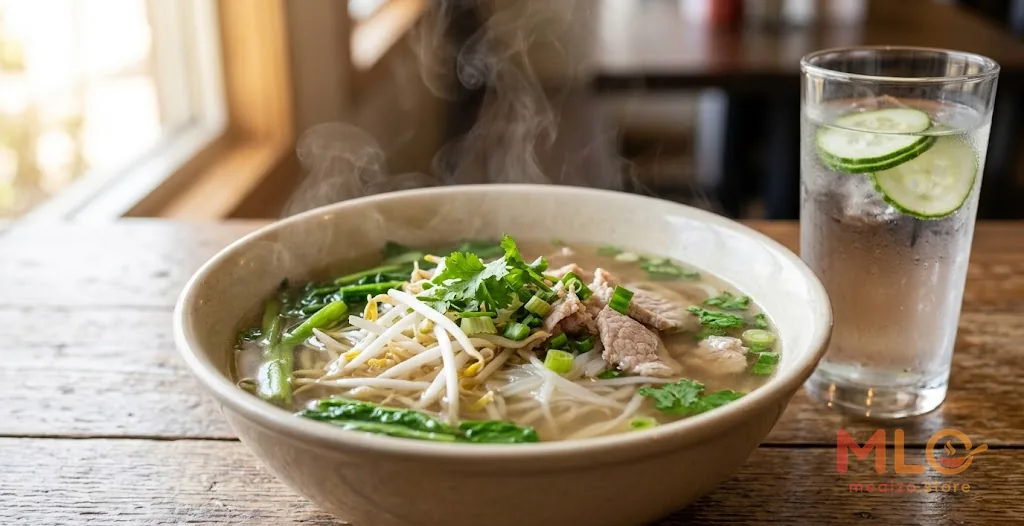
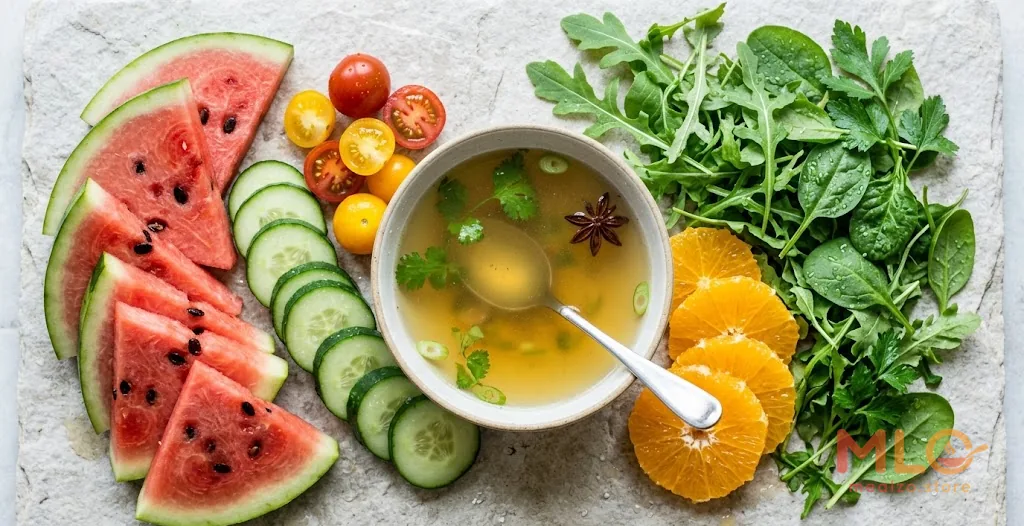
A bowl of broth-based noodles contains fluid in the broth. A vegetable soup contributes fluid alongside the ingredients. Fresh fruit and vegetables also contain water.
Consider the difference between skipping lunch and eating a proper meal with vegetables, fruit and a broth-based dish.
The second option creates another opportunity to consume fluid, particularly if you also drink water with the meal.
Useful everyday examples include:
- Clear soups and broth-based noodle dishes.
- Fresh vegetables included with lunch or dinner.
- Water-rich fruit eaten as part of a snack or meal.
- Meals accompanied by plain water rather than relying entirely on sweet beverages.
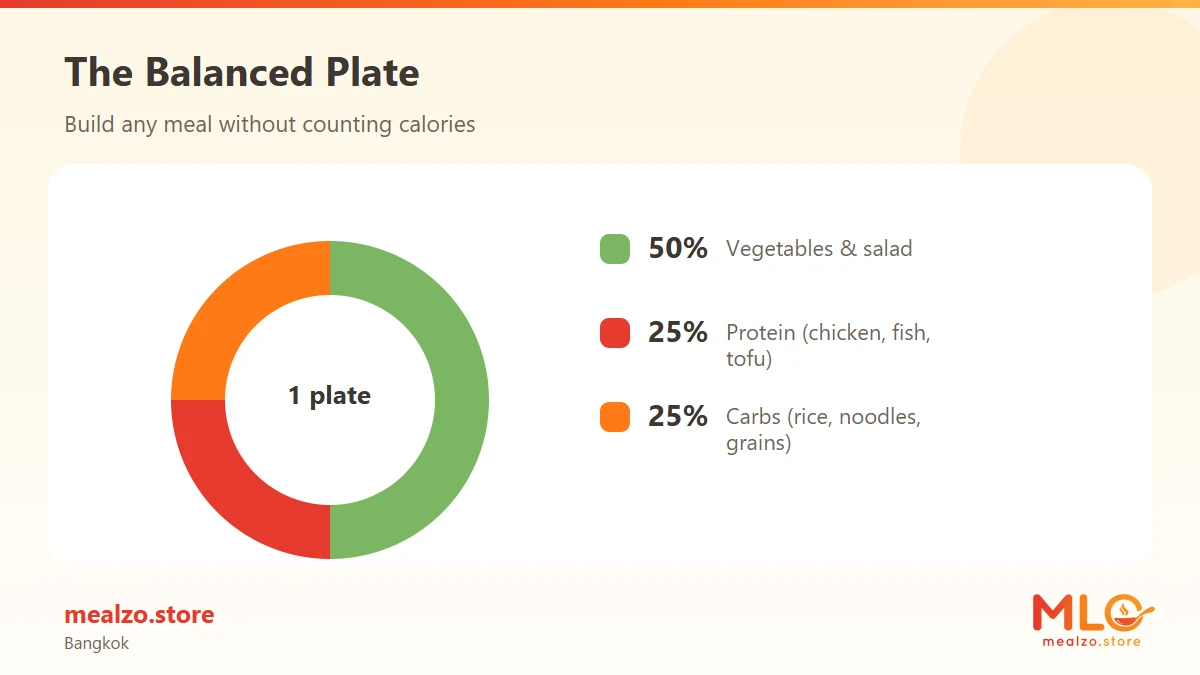
Not every meal needs to contain soup. A balanced plate with vegetables and a drink alongside it still provides a practical opportunity.
Bangkok makes fruit readily available in many forms, from whole fruit to prepared portions and sweetened smoothies.
These are not interchangeable choices. Whole fruit contributes water and other components of the fruit, while a smoothie may contain additional sweeteners or ingredients.
Our guide to choosing fruit as part of a balanced Bangkok day explores those differences further.
Food is a genuine part of fluid intake, not a hidden trick for meeting a target.
It does not replace access to drinking water, particularly when you are spending substantial time outdoors.
9. Outdoor Work and Exercise Need a Different Approach
An office routine is not enough for someone who spends hours working outdoors.
Construction sites, outdoor maintenance, delivery work and other exposed jobs involve longer periods of heat and potentially substantial sweating.
Water needs to be available throughout the working period, not merely at lunch.
Arrange opportunities to drink regularly, use shaded or cooler areas for breaks where possible, and follow appropriate workplace heat-safety procedures.
Do not treat persistent discomfort as something to overcome by drinking more and continuing regardless.
Exercise creates a similar need to plan around the activity.
A morning run in Bangkok, a gym session and football on a hot afternoon involve different levels of exposure.
For outdoor exercise:
- Before: drink normally beforehand and make sure water will be accessible.
- During: take suitable drinking opportunities, particularly when the activity continues in the heat.
- After: drink according to your thirst and circumstances, and allow time to cool down.
A cool gym does not eliminate fluid loss from exercise. Equally, a short, comfortable session does not automatically require a sports drink.
Long, demanding activity with considerable sweating may justify a different replacement strategy. For ordinary exercise, water and regular meals are often sufficient.
Choose cooler conditions when possible, adjust the activity to how you feel and stop if you become unwell.
10. Build a Drinking Routine Around the Day You Already Have
The easiest routine does not require constant monitoring.
It uses things you already do.
Start with a glass of water when you wake up. Put a bottle beside your computer when you arrive at work. Drink with meals and have some water before leaving for an outdoor journey.
Use meetings and commute legs as reminders, not rigid drinking targets.
A practical weekday might look like this:
- On waking: Have a glass of water before becoming absorbed in the morning.
- Arriving at work: Fill your bottle and put it where you can see it.
- Before a meeting: Have some water and bring your bottle if appropriate.
- Before lunch: Drink before stepping into the midday heat.
- With lunch: Have water alongside your food.
- During the afternoon: Refill your bottle when taking an ordinary work break.
- Before commuting: Drink and check whether you have water for the journey.
- With dinner: Have water available without trying to compensate for the entire day at once.
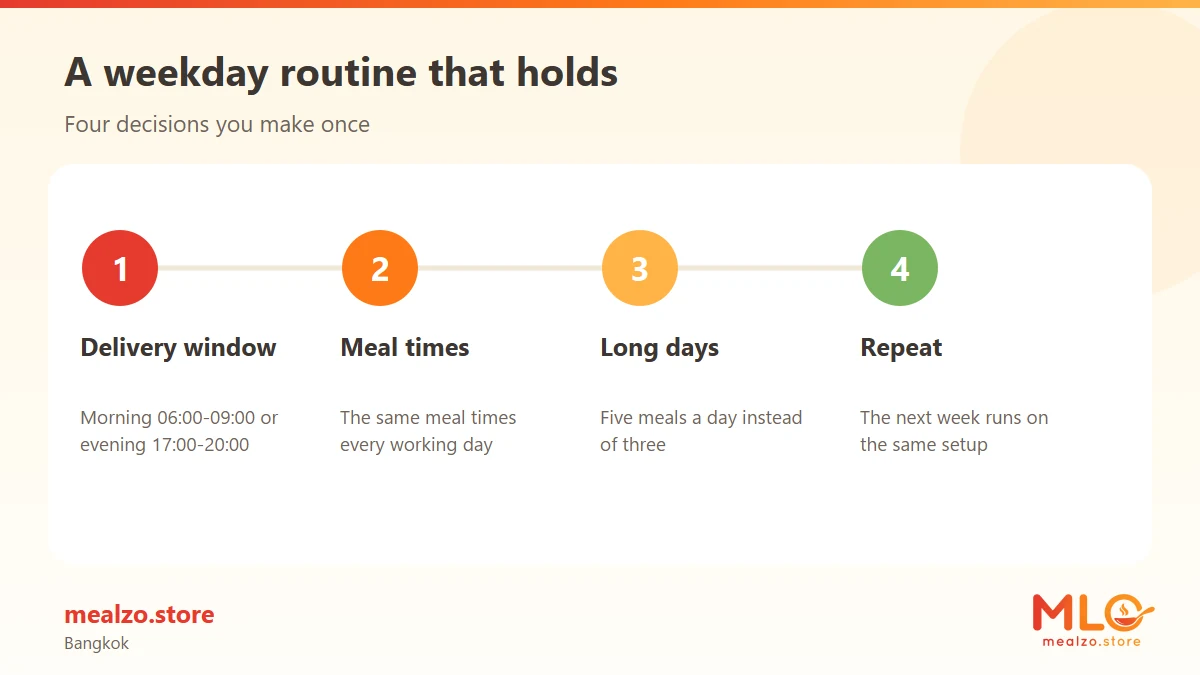
Small adjustments solve many common problems.
| Situation | What tends to go wrong | One useful adjustment |
|---|---|---|
| Air-conditioned office day | You feel comfortable and forget to drink. | Keep a filled bottle within reach at the desk. |
| Commute on foot and by BTS | Short periods of heat add up unnoticed. | Drink before leaving and carry accessible water. |
| Outdoor or site work | Heat exposure is continuous and breaks get postponed. | Arrange regular access to drinking water and suitable breaks. |
| Training in the heat | You start without planning for fluid access. | Plan drinking opportunities before beginning. |
| A long evening out | Alcohol and a hot journey home add to fluid loss. | Drink water alongside alcoholic beverages. |
| A sick day at home | Fluid loss or difficulty drinking changes your needs. | Seek medical guidance when illness causes substantial or persistent fluid loss. |
The trade-offs of drinking more
More is not automatically better.
Drinking frequently can mean additional bathroom visits. Carrying a bottle is inconvenient when your bag is already full, and drinking large amounts quickly can leave you feeling uncomfortable.
Forcing down water late at night may also interrupt your sleep with bathroom trips.
The answer is to distribute drinking naturally throughout the day rather than attempting a dramatic catch-up before bed.
Adjust when circumstances change.
A day spent at home with minimal activity is not the same as a day of outdoor walking.
Key takeaway: Connect drinking to meals, meetings and commutes so that water remains part of your routine even when work becomes busy.
11. Where a Meal Plan Helps, and Where It Does Not
Regular meals provide useful anchor points for drinking.
When lunch happens at a predictable time, it becomes easier to associate that meal with having water. Meals containing soups, vegetables or fruit can also contribute fluid through the food itself.
This is where a structured meal plan can help organise the day.
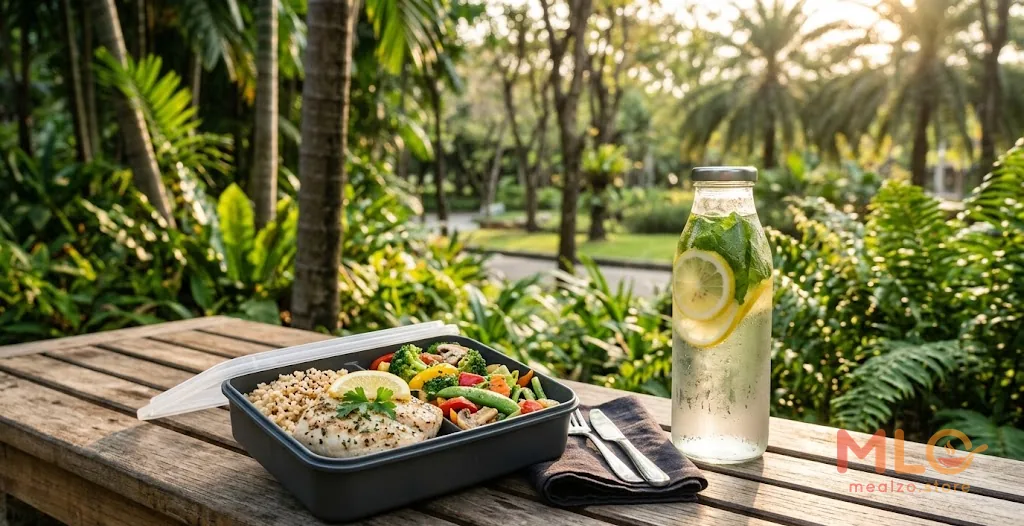
Mealzo Bangkok operates a kitchen in Bang Na, Bangkok. Meals are cooked fresh daily and delivered across Bangkok.
Customers choose a delivery window: morning from 06:00-09:00 or evening from 17:00-20:00.
A plan establishes a meal routine, with Thai and international dishes combined within the same mixed cuisine. Customers can choose between plans offering three or five meals per day.
That structure can make it easier to organise meals around working hours and establish reminders to drink alongside them.
However, the actual fluid contribution depends on what the meals contain. A dish with broth is different from a relatively dry meal.
A meal plan does not drink water for you. It cannot replace your bottle, account for every outdoor journey or determine your personal fluid needs.
Hydration remains a personal habit, regardless of what arrives in the meal box.
If you want to organise your meals around a regular schedule, explore Mealzo Bangkok meal plans.
The useful connection is simple: predictable meals create predictable opportunities to drink.
12. When Drinking Water Is Not Enough and You Need Advice
This guide is intended for generally healthy adults.
Children, older relatives and people whose fluid needs are affected by medical circumstances may require different guidance. Anyone with a heart, kidney or blood pressure condition, anyone pregnant, and anyone on a fluid restriction should follow their doctor rather than an article.
Do not assume every headache, dizzy spell or episode of fatigue is a hydration problem.
If someone develops confusion, faints, becomes seriously unwell in the heat or cannot keep fluids down, seek prompt medical help. Persistent vomiting, diarrhoea or symptoms that do not improve also warrant medical advice.
Move away from the heat and stop the activity if you become unwell.
For ordinary days, the aim is simpler: make suitable drinking water accessible, drink regularly and adjust your routine when the day becomes hotter or more physically demanding.
FAQ
How much water should I drink every day in Bangkok?
There is no single amount that suits everyone. Your needs change with activity, sweating, food, health and time spent outdoors. Drink regularly, pay attention to thirst and the pattern of your day, and adjust when your circumstances change. Avoid forcing large amounts simply to reach a fixed target.
Does coffee count toward hydration in Bangkok's heat?
Yes. Coffee contains water and contributes to fluid intake, even though it also contains caffeine. Plain tea contributes fluid as well. If caffeine affects your sleep or makes you uncomfortable, take that into account. Neither drink needs to replace plain water throughout the day.
Do I need electrolytes every day because Bangkok is hot?
Not automatically. Most healthy adults eating ordinary meals do not need to treat every short period of sweating as an electrolyte emergency. Prolonged outdoor work, demanding exercise or substantial fluid loss can require a different approach. Illness-related replacement should follow medical guidance.
Is coconut water better than plain water for hydration?
Coconut water provides fluid and contains naturally occurring sugars and minerals. That does not make it necessary for ordinary daily hydration. If you enjoy it, it can be one of your drinks, but plain water remains a straightforward choice for everyday thirst.
What should I do if I realise late in the afternoon that I have barely drunk anything?
Have some water and return to drinking comfortably through the remainder of the day rather than forcing a large amount immediately. Consider whether you have been sweating, exercising or feeling unwell. For tomorrow, place a filled bottle on your desk and connect drinking to lunch, meetings and your commute.
Can eating regular meals help me stay hydrated?
Yes. Soups, broth-based dishes, fruit and vegetables contribute fluid alongside drinks. Regular meals also give you natural moments to have water. However, food alone does not replace drinking water, especially when you spend considerable time outdoors or exercise in the heat.
Mealzo Bangkok is a kitchen and meal delivery service operating exclusively in Bangkok, Thailand. We are not affiliated with similarly named services outside Thailand.
Find a Meal Plan That Fits
Compare Mealzo plans or use the calculator to explore meal options for your needs.