No Fish or Seafood? How to Build a Balanced Meal Plan Without It
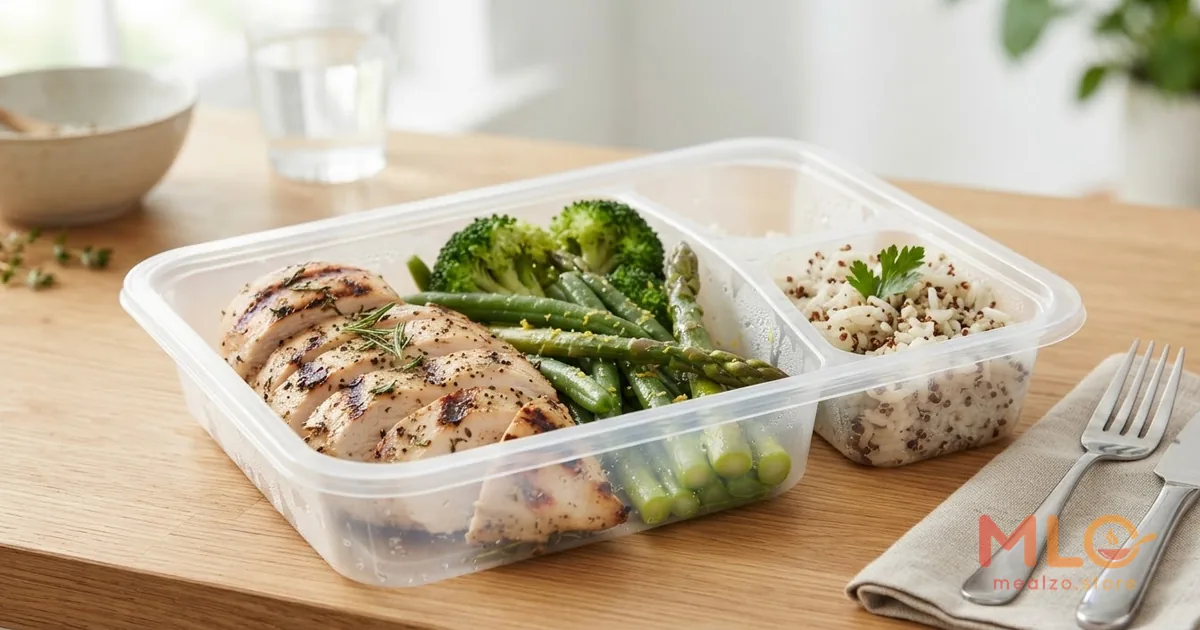
Fish and seafood are easy to spot when they arrive as grilled prawns, fried fish or a bowl of tom yum talay. In Bangkok, the harder part is everything you cannot see at first glance. A plate of vegetables, noodles or minced chicken may contain fish sauce, oyster sauce, shrimp paste or dried shrimp.
That makes a meal plan without fish and seafood less about simply replacing salmon or prawns with another protein. It also means understanding how Thai food builds saltiness, savoury depth and aroma, and where seafood-derived ingredients can enter dishes that otherwise look unrelated to seafood.
For someone who simply dislikes seafood, this knowledge makes ordering easier. For someone who needs to exclude particular ingredients, it becomes even more useful to separate the visible protein from the sauces, curry pastes, condiments and garnishes used to build the dish.
The good news is that plenty of other foods can provide protein, texture and flavour. The challenge is arranging them with enough variety that the plan still feels like normal food rather than a series of substitutions.
1. Why “no fish” is more complicated in Bangkok than it sounds
In many Western-style dishes, identifying fish or seafood is relatively straightforward. Tuna is tuna, shrimp is shrimp, and a chicken pasta usually does not depend on seafood seasoning. Thai cooking is often less visually obvious.
Fish sauce, or nam pla, is one of the clearest examples. It is used primarily as a seasoning rather than as the main ingredient. A cook may add a small amount to a chicken stir-fry, minced-meat dish, soup, salad or curry to supply salt and umami.
Shrimp paste, called kapi, works differently. It is concentrated and frequently used in curry pastes, chilli dips and traditional preparations. You may never see a piece of shrimp on the plate.
Oyster sauce presents another version of the same issue. It commonly appears in stir-fries containing vegetables, chicken, pork, beef or tofu. The dish can look entirely seafood-free while the sauce itself is part of the recipe.
Dried shrimp can be easier to see, but not always. It may be chopped, crushed or mixed through salads, noodle dishes and condiments.
Key takeaway: In Thai cooking, checking the main protein is not enough because seafood-derived ingredients can be part of the seasoning, paste or garnish.
2. The Thai seasonings worth recognising
Learning a few ingredients makes menus much easier to interpret. The goal is not to assume that every version of a dish is prepared identically. Recipes vary by cook and restaurant. Instead, these are ingredients worth checking when you are trying to understand how a dish was made.
| Ingredient | What it is | Where it may appear |
|---|---|---|
| Fish sauce (nam pla) | Fermented fish seasoning used for saltiness and savoury depth | Pad kra pao, larb, som tam, tom yum, tom kha, curries, fried rice and many stir-fries |
| Shrimp paste (kapi) | Fermented shrimp paste with a strong savoury character | Curry pastes, nam prik kapi, some fried rice preparations and regional chilli pastes |
| Oyster sauce | Thick savoury sauce traditionally based on oyster-derived ingredients | Pad pak ruam, pad kana, meat-and-vegetable stir-fries, noodles and tofu dishes |
| Dried shrimp | Small dried shrimp used whole, chopped, ground or fried | Som tam, pad Thai, miang kham, some salads, relishes and noodle dishes |
| Curry paste | A mixture of herbs, spices and aromatics; some recipes include shrimp paste | Red, green and other Thai curries depending on the specific paste and recipe |
| Prepared chilli paste or relish | Condiment that may contain fish, shrimp or seafood-derived seasoning | Nam prik, dipping sauces, rice accompaniments and some salad dressings |
A useful habit is to think in layers: protein, sauce, paste, stock, dressing and garnish. The visible chicken or tofu answers only the first question.
For a broader framework covering several kinds of dietary restrictions, the complete guide to meal plans for common food restrictions explains how plan selection and ingredient restrictions can be treated as separate decisions.
3. Real Thai dishes where seafood ingredients can hide
Some dishes deserve particular attention because their name does not necessarily suggest fish or seafood.
Pad kra pao
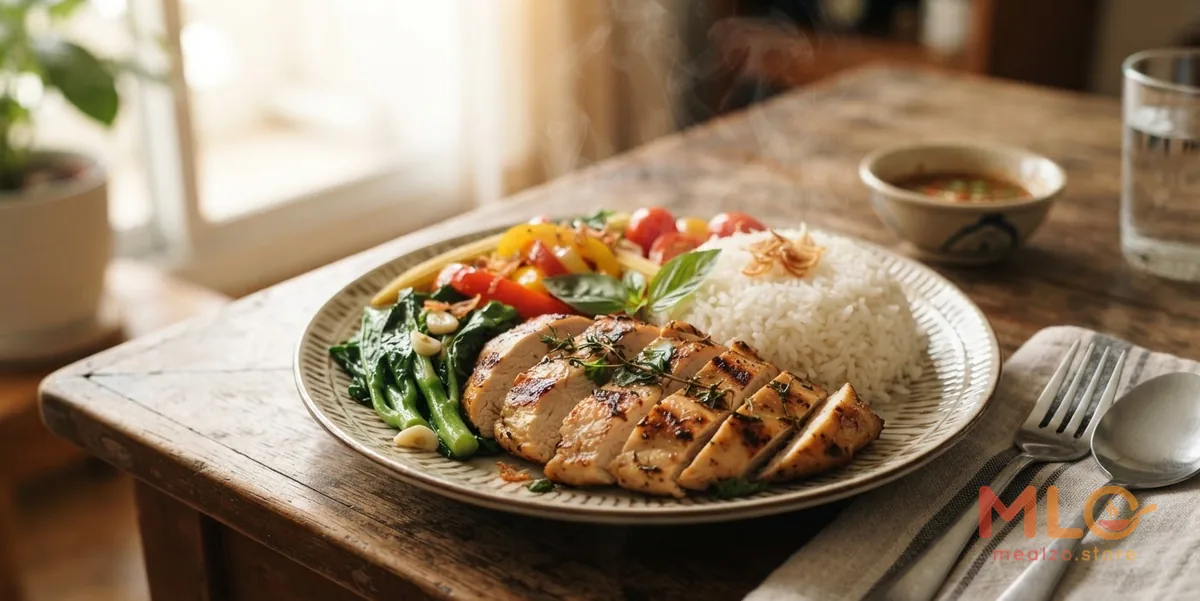
Pad kra pao is built around basil, chilli, garlic and a chosen protein such as chicken or pork. Fish sauce and oyster sauce are common seasoning components. A chicken version therefore tells you what the main protein is, not necessarily every ingredient in the wok.
Som tam
Green papaya salad may contain fish sauce and dried shrimp. Some regional styles use other fermented fish-based ingredients as well. The vegetables are obvious; the seasoning is where the less visible ingredients appear.
Pad Thai
Pad Thai is often associated with shrimp, but even versions made with chicken or tofu may use fish sauce, and dried shrimp can be incorporated separately from the main protein.
Vegetable stir-fries
A plate of Chinese kale, mixed vegetables, mushrooms or tofu can look like one of the simplest choices on a menu. Oyster sauce is nevertheless common in Thai stir-fry cooking.
Thai curries
The question is not limited to whether chunks of seafood are in the finished curry. The curry paste itself may contain shrimp paste, depending on the recipe or product used.
This is why ingredient information matters more than visual inspection. The guide to reading ingredient and allergen information in prepared meals is useful when the meal arrives fully prepared and there is no opportunity to watch how it was cooked.
4. Start by replacing the role, not just the ingredient
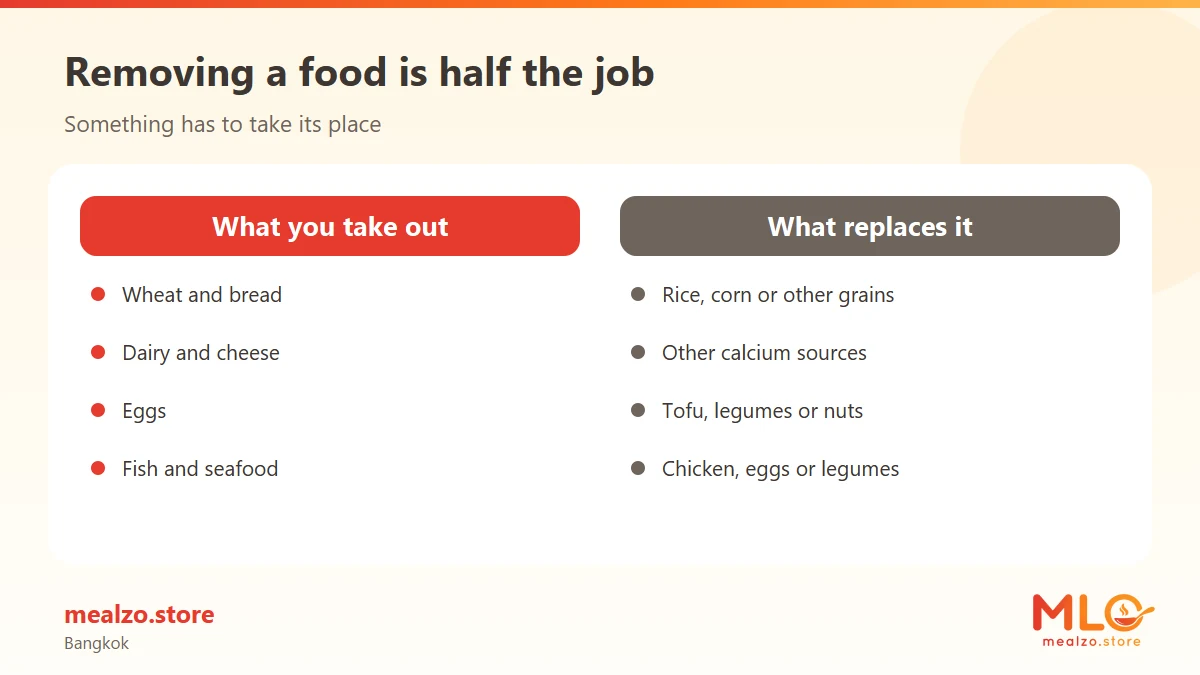
Removing fish or seafood from a plate creates two separate gaps. The first is nutritional and structural: the meal still needs a meaningful protein component. The second is culinary: fish sauce, shrimp paste and similar ingredients often contribute saltiness and umami.
Those jobs do not have to be handled by the same replacement.
| What fish or seafood may contribute | Alternative ingredient or approach | What it contributes to the meal |
|---|---|---|
| Main protein | Chicken, pork or beef | A substantial centre-of-plate protein with familiar Thai applications |
| Main protein | Eggs | Protein plus richness in rice, noodle and vegetable dishes |
| Main protein | Tofu or tempeh | Plant-based protein with textures that work well in stir-fries and bowls |
| Main protein | Beans, lentils or other legumes | Plant protein, fibre and substance in bowls, salads and international-style meals |
| Savoury depth | Mushrooms | Umami and a substantial texture without functioning as the main protein in every meal |
| Salty seasoning | Soy-based seasonings where appropriate | Saltiness and savoury flavour in marinades, dressings and stir-fries |
| Aromatic intensity | Garlic, ginger, chilli, lemongrass and herbs | Complexity and aroma without relying on seafood-based condiments |
| Roasted depth | Toasted sesame, nuts or seeds where appropriate | Texture, aroma and richness in suitable dishes |
The phrase “where appropriate” matters. Soy, wheat/gluten, sesame, peanuts and tree nuts are among ingredients that some people also declare as allergens, so one person's convenient flavour replacement may not fit another person's restrictions.
Key takeaway: Replacing seafood works best when protein and savoury flavour are treated as two separate parts of the meal.
5. Build protein variety across the week
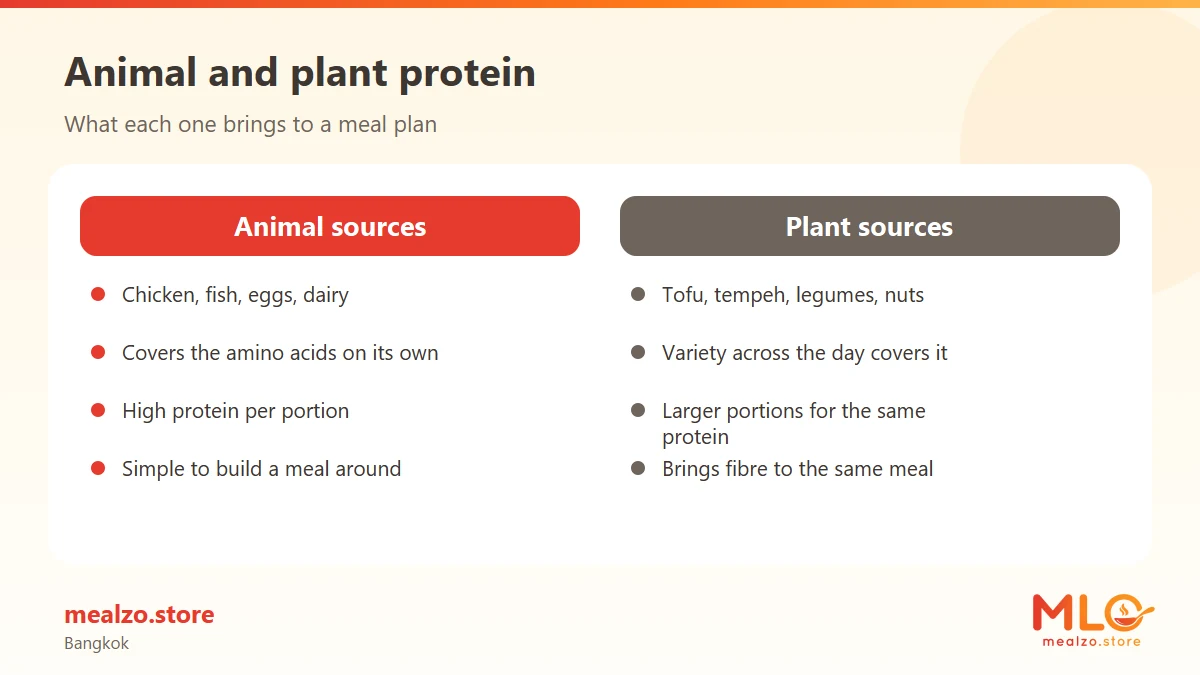
A meal plan becomes repetitive quickly if every fish or seafood dish is replaced with chicken. Variety is easier when you rotate between several protein families instead of searching for one universal substitute.
Possible building blocks include:
- chicken, pork and beef in stir-fries, curries, rice dishes and salads;
- eggs in omelettes, rice bowls and mixed dishes;
- tofu and tempeh in stir-fries, curries and vegetable-based meals;
- beans, lentils and other legumes in soups, salads, bowls and international dishes;
- combinations such as tofu with grains or legumes with vegetables when the recipe is designed around plant proteins.
This is also where plant-based meal planning can be useful even for people who are not vegetarian. A few tofu or legume meals add variety without requiring every meal to imitate a seafood dish.
Someone who does eat fish but excludes other animal foods is dealing with a different structure altogether. The pescatarian meal-planning guide looks at fish as an included protein source rather than something being removed.
6. Keep the rest of the plate varied too
Protein gets most of the attention, but a balanced pattern is easier to maintain when the carbohydrate, vegetables, sauces and cooking styles change as well.
Consider how different these meals feel even if chicken appears in several of them:
- chicken pad kra pao with rice and vegetables;
- grilled chicken with roasted vegetables and potatoes;
- chicken curry with rice;
- chicken and vegetable noodle stir-fry;
- herb-seasoned chicken with a grain bowl and salad.
The protein may repeat, but the eating experience does not.
The same principle applies to tofu, eggs or legumes. Texture matters. So do herbs, acidity, chilli, roasted flavours and the distinction between a soup, stir-fry, curry, salad and bowl.
Key takeaway: Variety comes from rotating proteins, vegetables, starches, cooking methods and seasonings, not merely from changing the name of the main ingredient.
7. Distinguish a meal plan from an allergen declaration
Mealzo has a No Fish & Seafood plan among its 12 meal plans. That is the plan-level mechanism: the selected menu is assembled around that plan rather than around the Pescatarian or other available plans.
Separately, customers can declare allergens from nine groups: peanuts, tree nuts, shellfish, fish, milk, egg, soy, wheat/gluten and sesame. If fish and shellfish are declared, dishes containing those declared allergens are not assigned.
These are related features, but they are not the same thing. Choosing a No Fish & Seafood plan defines the type of menu being assembled. Declaring fish or shellfish uses the allergen information attached to dishes to prevent dishes containing those declared groups from being assigned.
The kitchen is shared, so trace cross-contact is not eliminated.
That distinction is important when comparing different types of restrictions. For example, the dairy- and egg-free meal-planning guide covers another plan category where protein choices and ingredient declarations need to be considered separately.
8. How the Mealzo configuration works
Mealzo offers 12 plans: Balanced, Weight Loss, High Protein, Vegetarian, Vegan, Keto, Low-Carb, Gluten Free, Easy-to-Digest, Pescatarian, No Fish & Seafood, and Dairy & Egg Free.
After the plan is chosen, the customer also selects a calorie level and meal count. The available daily calorie levels are:
- 1200 kcal;
- 1500 kcal;
- 1800 kcal;
- 2000 kcal;
- 2200 kcal;
- 2500 kcal.
Packages can contain 3 or 5 meals per day and can run for 3, 7, 14 or 30 days. The menu for the package is assembled automatically from the chosen plan, calorie level and number of meals.
This means the No Fish & Seafood plan is not a manual request added to a random menu. It is one of the available plan categories used by the menu system.
People comparing the available formats can review the Mealzo meal-plan options before deciding on calorie level, meal count and package length.
9. Think about Bangkok food in terms of components
Bangkok offers almost every style of food imaginable, but Thai dishes are particularly useful for illustrating why component-level thinking matters.
Instead of asking only “Does this have seafood?”, break a prepared dish down into five questions:
- What is the main protein?
- What sauces season it?
- Is a curry paste, chilli paste or dressing involved?
- Is there a garnish such as dried shrimp?
- Is the recipe built from a prepared seasoning mixture?
This approach is more reliable than judging from appearance or from the English menu name.
A “chicken basil stir-fry” describes the main identity of the dish. It does not tell you whether the cook used fish sauce or oyster sauce. “Vegetable curry” describes what is visible in the bowl, but not necessarily everything used in the curry paste.
10. What makes a no-fish plan practical rather than restrictive
A good meal plan without fish and seafood should still look like food someone would reasonably want to eat. It does not need a replacement product every time a conventional recipe would have used seafood.
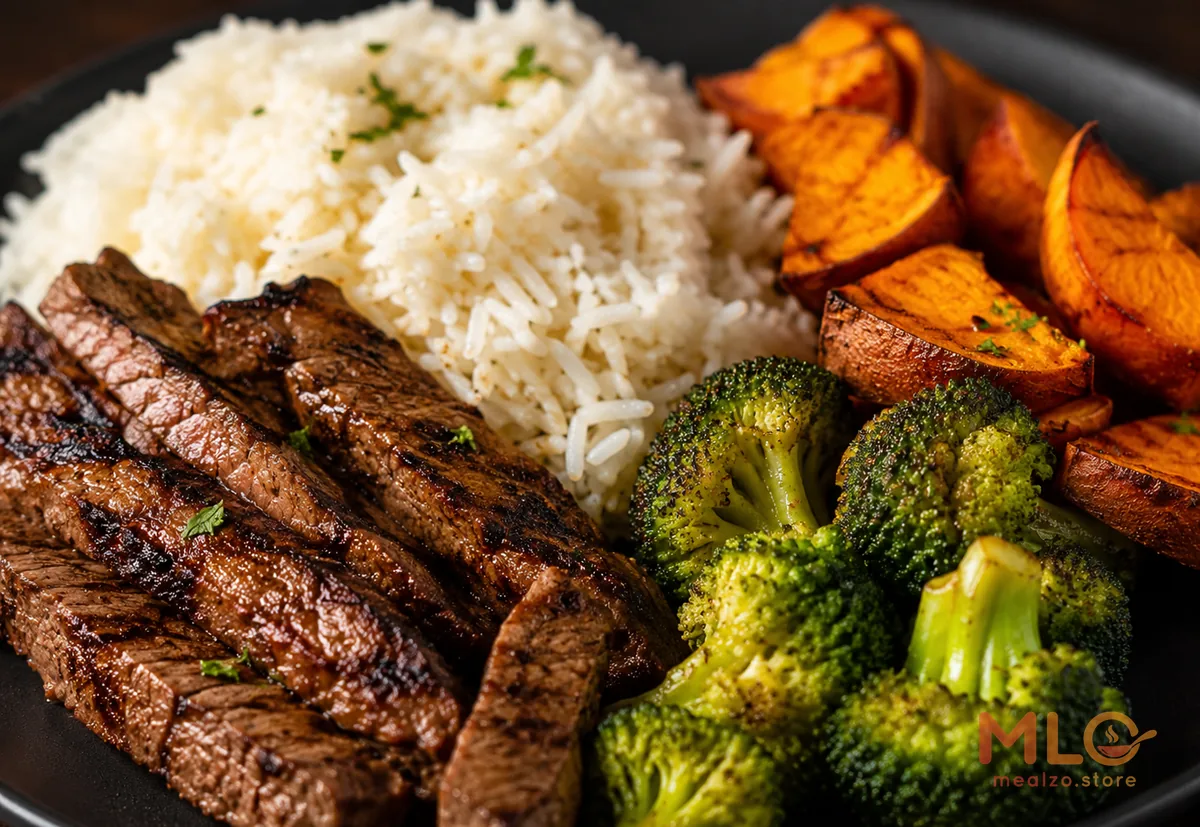
Often the simplest approach is to choose dishes that already make sense around another protein: basil chicken, pork with vegetables, beef stir-fries, tofu curries, egg dishes, lentil bowls or bean-based meals. That tends to work better than forcing a direct imitation of prawns or fish into every recipe.
The savoury side of the equation can also be rebuilt through combinations of mushrooms, aromatics, herbs, chilli, acidity and appropriate non-seafood seasonings. There is no single substitute that needs to carry the entire flavour profile.
The result is less about subtraction and more about recipe design. Once the protein and seasoning roles are handled deliberately, fish and seafood stop being the organising principle of the menu.
Key takeaway: The most practical no-seafood menu is built around complete dishes that naturally work with other proteins, rather than constant one-for-one imitation.
FAQ
Does the No Fish & Seafood plan mean every meal is guaranteed free from fish and shellfish?
No. Mealzo has a No Fish & Seafood plan, and fish and shellfish can also be declared among the nine allergen groups so dishes containing those declared allergens are not assigned. The kitchen is shared, and trace cross-contact is not eliminated.
Is this system suitable as a safeguard for a severe fish or shellfish allergy?
No. It should not be treated as a safeguard for a severe allergy because the kitchen is shared and trace cross-contact is not eliminated.
Why can a chicken or vegetable Thai dish contain seafood-derived ingredients?
Because seafood ingredients are often used as seasonings rather than as the main protein. Fish sauce may season chicken or pork dishes, oyster sauce is common in vegetable and meat stir-fries, shrimp paste can be part of curry paste, and dried shrimp may be mixed into salads or noodle dishes.
What proteins can replace fish and seafood in a meal plan?
Depending on the type of plan and other ingredient restrictions, meals can be structured around chicken, pork, beef, eggs, tofu, tempeh, beans, lentils and other legumes. Rotating several sources generally creates more variety than using the same replacement in every meal.
Can someone declare fish and shellfish separately?
Yes. Fish and shellfish are separate groups within Mealzo's nine allergen groups, alongside peanuts, tree nuts, milk, egg, soy, wheat/gluten and sesame.
How is a Mealzo No Fish & Seafood package configured?
The customer selects the No Fish & Seafood plan, one of six daily calorie levels, either 3 or 5 meals per day, and a package of 3, 7, 14 or 30 days. The menu is then assembled automatically from those selections. Delivery is available across Bangkok in the 06:00-09:00 morning window or 17:00-20:00 evening window, with the kitchen in Bang Na.
Find a Meal Plan That Fits
Compare Mealzo plans or use the calculator to explore meal options for your needs.