Meal Prep Alternatives for Busy People: How to Eat Well Without Batch Cooking
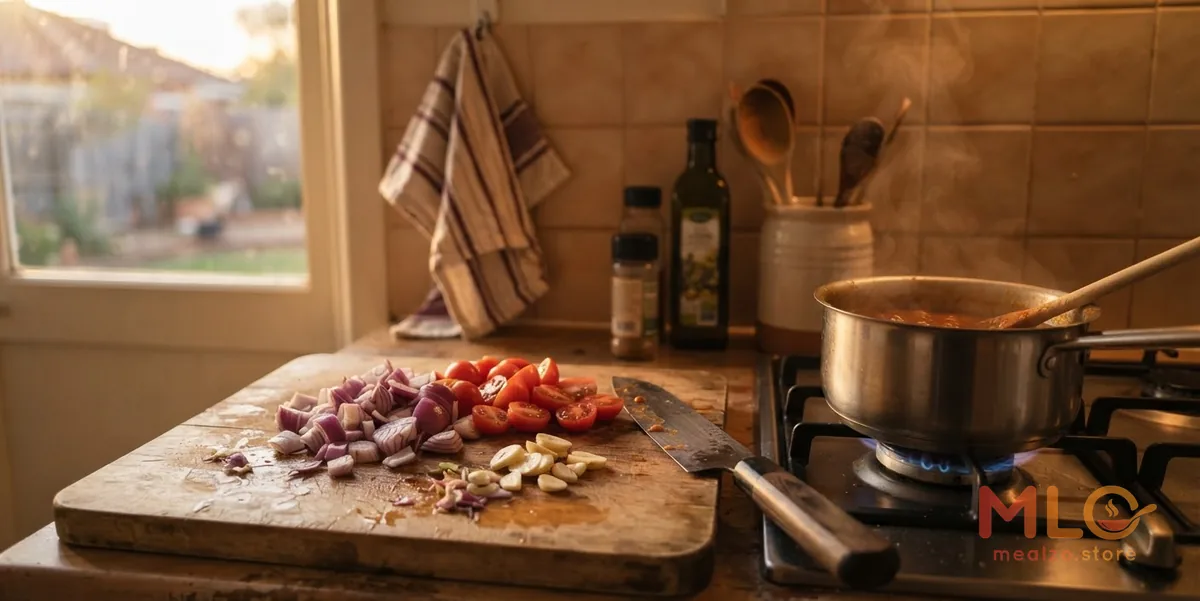
Meal prep is often presented as the obvious answer to a busy week: buy groceries on Sunday, cook several dishes at once, portion everything into containers, and spend the next few days reheating your work. It can be efficient. It can also consume half a day, fill a small Bangkok kitchen with containers, and become surprisingly repetitive by Wednesday.
For people with long workdays, changing schedules, condo kitchens, social dinners, or simply little interest in spending weekends cooking, there are other ways to create structure around food. The best meal prep alternatives for busy people are not necessarily shortcuts. They are systems that move some decisions, shopping, cooking, or portioning away from the busiest parts of the week.
The useful question is therefore not, “How do I force myself to batch cook?” It is, “Which parts of feeding myself create the most friction?” Once you know that, you can choose an alternative that removes those specific problems without turning meals into another project.
For Bangkok residents, the options range from simpler home-cooking routines to planned delivery. Each has different trade-offs in cost, flexibility, effort, variety, and predictability.
1. Why Traditional Meal Prep Does Not Work for Everyone
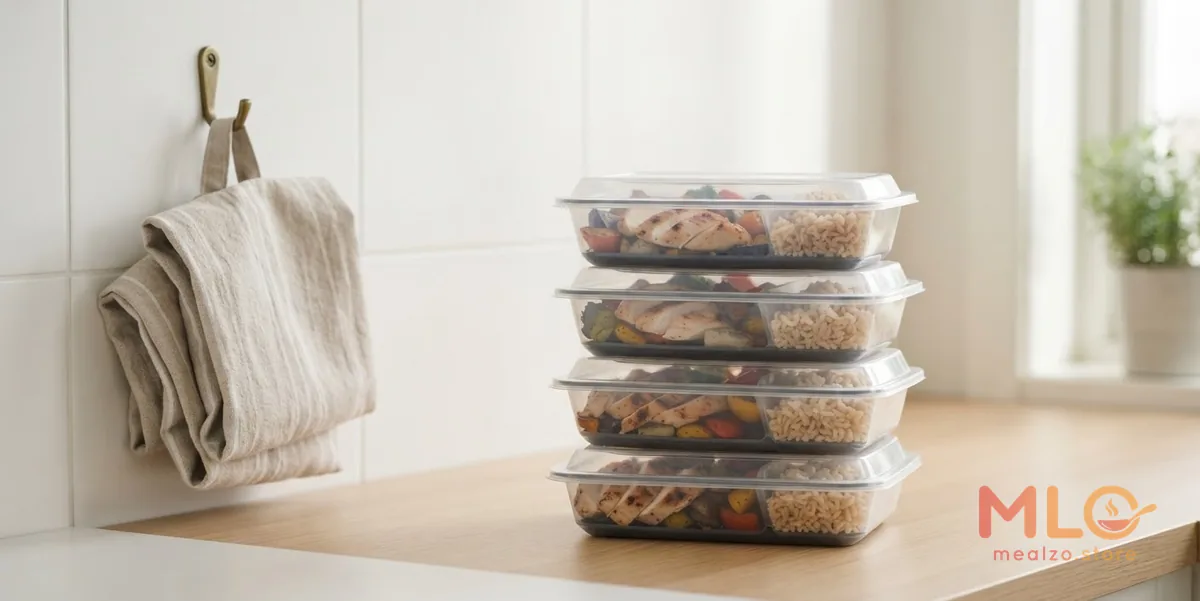
Classic batch cooking combines several jobs into one block: deciding what to eat, building a shopping list, buying ingredients, preparing them, cooking multiple portions, dividing them into containers, storing them, and cleaning the kitchen afterward.
That arrangement is efficient when you enjoy cooking and have a predictable week. It becomes less attractive when Sunday is one of your few genuinely free days, your refrigerator is small, or your schedule changes frequently.
There is also the issue of repetition. A dish that sounds sensible while you are cooking six portions may feel considerably less appealing after several reheated servings. People often blame themselves for “failing at meal prep” when the real problem is simply that the system asks them to trade variety and spontaneity for efficiency.
A better approach is to separate the jobs. You might automate breakfast, buy lunch near work, cook a simple dinner, or have prepared meals delivered on selected days. You do not need one method for every meal.
Key takeaway: A useful food routine removes the parts of meal preparation that cause the most friction rather than forcing every meal into the same system.
2. Start With the Problem You Actually Need to Solve
Before choosing an alternative, identify what makes weekday eating difficult.
For some people, cooking itself is not the problem. Grocery shopping is. For others, there is food at home but no energy to decide what to make after work. Another person may cook happily at night but regularly miss lunch because meetings run through the afternoon.
Common sources of friction include:
- deciding what to eat several times every day
- buying groceries often enough to keep fresh ingredients available
- preparing ingredients after a long commute or workday
- estimating portions consistently
- washing pans, knives, chopping boards, and containers
- carrying meals to work
- dealing with unused ingredients
- fitting cooking around social plans
If decision-making is the main problem, planning may be enough. If cooking is the bottleneck, delivery or prepared food may make more sense. If you enjoy home cooking but dislike repetition, shorter cooking cycles can work better than seven-day batch preparation.
A broader guide to meal planning for busy professionals in Bangkok can help if you want to design the whole week rather than solve one meal at a time.
3. Use a Meal Framework Instead of Full Batch Cooking
One of the simplest meal prep alternatives for busy people is to prepare components rather than complete dishes.
You might cook rice for two days, wash vegetables, prepare a protein, and keep a few sauces or seasonings available. Dinner still requires some assembly, but much of the tedious work has already been done.
Prepare only what saves meaningful time
There is little benefit in spending Sunday evening performing tasks that take two minutes on Tuesday. Focus on ingredients that genuinely reduce weekday effort.
For example:
- cook a staple carbohydrate for the next day or two
- portion ingredients that are awkward to measure when rushed
- wash and cut vegetables that will actually be used soon
- prepare one flexible protein rather than three complete dishes
- keep simple backup foods available for unexpectedly late evenings
This method retains more variety than conventional meal prep because the same components can become different meals.
It still requires grocery shopping, refrigeration, some cooking, and cleanup. It is therefore an alternative to batch cooking, not an alternative to kitchen work altogether.
4. Cook Smaller Quantities More Often
Another option is deliberately short-cycle cooking: make dinner tonight and enough extra for lunch tomorrow.
This avoids the large Sunday cooking session and reduces the number of days you eat the same dish. It also limits the amount of prepared food competing for space in a condo refrigerator.
The trade-off is obvious. You still cook several times per week.
| Approach | Upfront work | Weekday cooking | Variety | Planning required |
|---|---|---|---|---|
| Large weekly batch | High | Low | Usually lower | High |
| Two-day cooking cycle | Moderate | Moderate | Moderate to high | Moderate |
| Cook each meal fresh | Low | High | High | Moderate |
| Prepared meal delivery | Low | Very low | Depends on service/menu | Low to moderate |
Short-cycle cooking is particularly practical for people who enjoy cooking but dislike committing their entire weekend to it. It also works well when evening schedules are predictable enough to leave some kitchen time.
5. Reduce Decisions With Repeating Meal Templates
Not every form of repetition means eating identical food.
A meal template repeats the structure rather than the exact dish. Breakfast might always follow one basic format, while the ingredients change. Lunch might consistently include a protein, vegetables, and a carbohydrate without requiring the same recipe every day.
Templates remove part of the mental load while preserving some choice.
You might structure weekdays like this:
- breakfast from one of two familiar options
- lunch purchased or delivered
- dinner cooked at home when the evening is free
- one backup meal option for days that run late
This is less rigid than preparing an entire week in advance. It also makes last-minute changes easier because there is less food already committed to the refrigerator.
People who struggle mainly with consistency during demanding schedules may also find the practical ideas in staying consistent with eating during long workdays useful.
Key takeaway: Repeating a meal structure can reduce decision fatigue without requiring you to eat the same prepared dish for several days.
6. Use Prepared Meal Delivery as Part of the Week
Prepared delivery removes several stages at once: recipe selection, ingredient shopping, preparation, cooking, and much of the cleanup.
That makes it fundamentally different from ordering restaurant food independently each time. A planned meal service can establish the week's food structure before the workday begins.
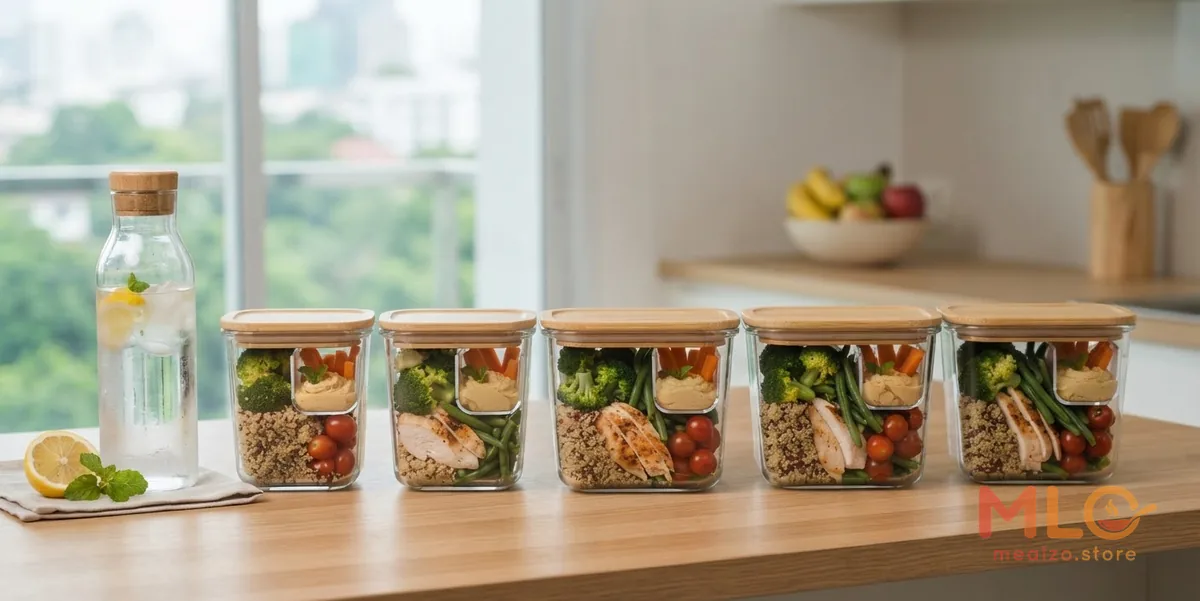
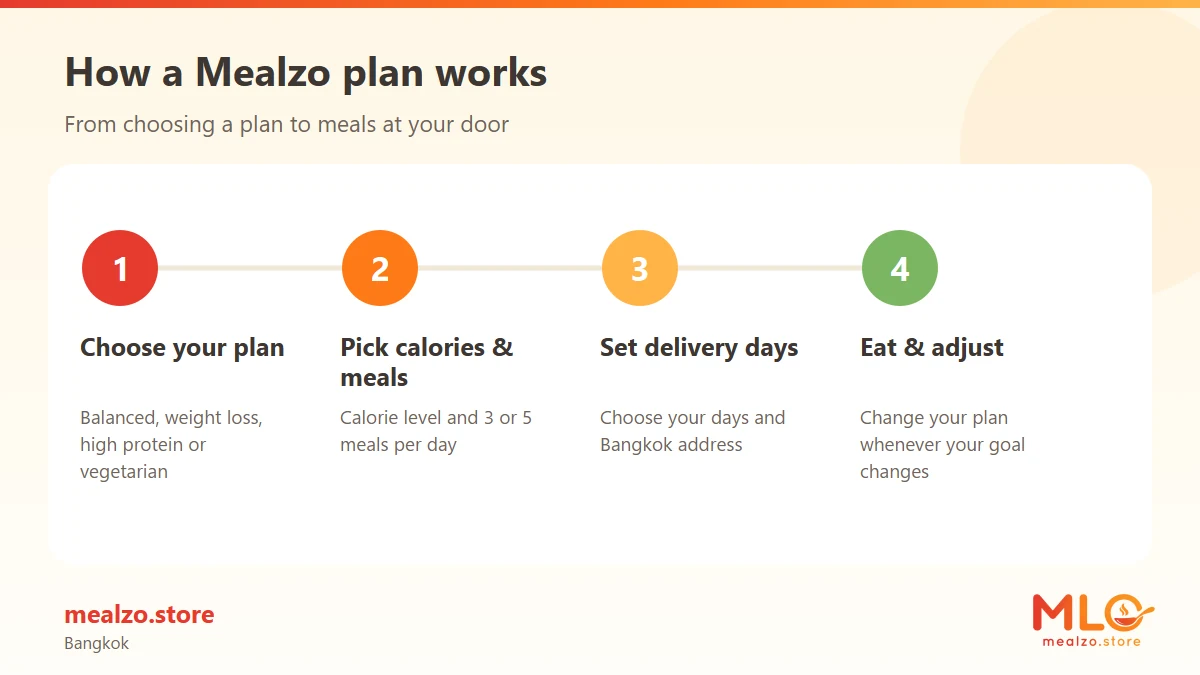
With Mealzo, customers choose among 12 meal plans: Balanced, Weight Loss, High Protein, Vegetarian, Vegan, Keto, Low-Carb, Gluten Free, Easy-to-Digest, Pescatarian, No Fish & Seafood, and Dairy & Egg Free.
There are six daily calorie levels:
| Daily level | Meal frequency available | Useful distinction |
|---|---|---|
| 1200 kcal | 3 or 5 meals | Lower available daily level |
| 1500 kcal | 3 or 5 meals | One of six fixed levels |
| 1800 kcal | 3 or 5 meals | One of six fixed levels |
| 2000 kcal | 3 or 5 meals | One of six fixed levels |
| 2200 kcal | 3 or 5 meals | One of six fixed levels |
| 2500 kcal | 3 or 5 meals | Highest available daily level |
The app also includes a calorie calculator using the Mifflin-St Jeor formula. That produces an estimate rather than medical advice, so it should be treated as a planning reference rather than a diagnosis or prescription.
Packages can run for 3, 7, 14, or 30 days. That matters because delivery does not have to become a permanent all-or-nothing arrangement. A shorter package can cover a particularly busy period, while a longer package reduces repeated planning.
For a closer look at the operational side, how meal delivery can reduce weekday food tasks in Bangkok explains where the time savings actually come from.
7. Compare Delivery With Apps and Individual Orders
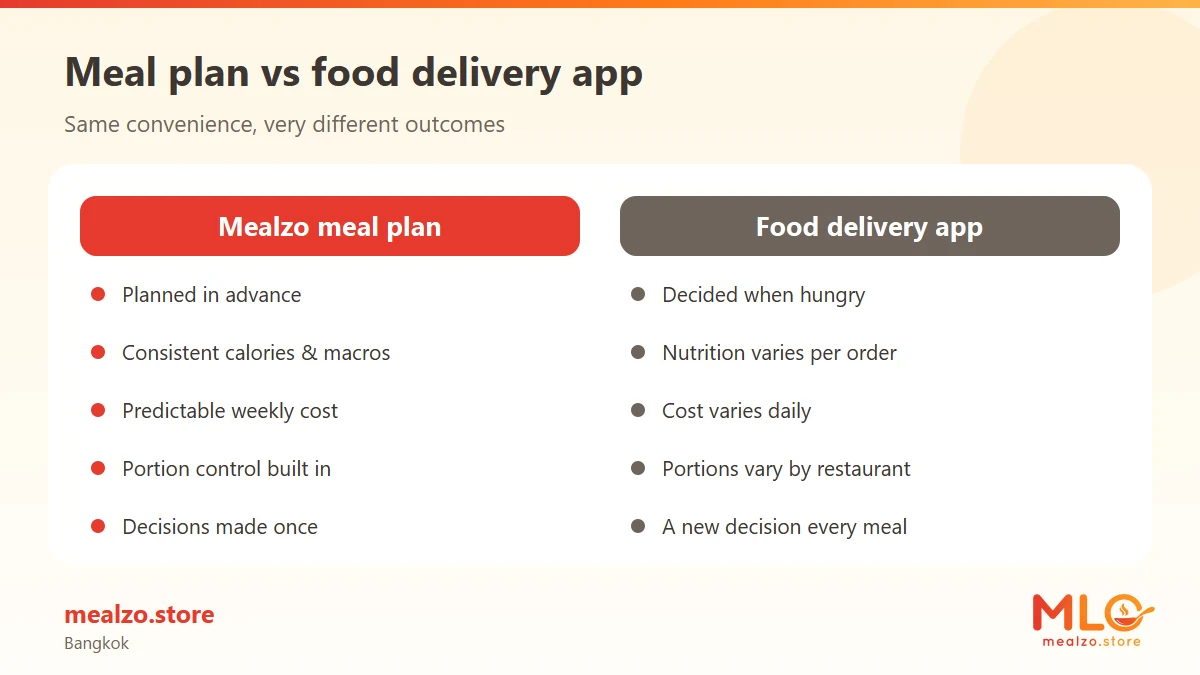
There is a meaningful difference between using a planned meal service and opening a food-ordering app whenever you become hungry.
On-demand ordering preserves maximum spontaneity. You can choose a different restaurant, cuisine, and portion every time. The cost is that every meal still demands a decision.
A meal plan shifts more of those choices upstream.
| Method | Decision at each meal | Grocery shopping | Home cooking | Predictability |
|---|---|---|---|---|
| Home batch cooking | Low after prep | Yes | Yes, concentrated | High |
| Short-cycle cooking | Moderate | Yes | Yes | Moderate |
| Individual app orders | High | No | No | Lower |
| Planned meal delivery | Lower once plan is chosen | No for covered meals | No for covered meals | Higher |
Neither model is automatically better. If choosing lunch is a pleasant break in your day, individual ordering may suit you perfectly well. If opening an app at 12:30 every day feels like another task, deciding in advance may be more useful.
The broader trade-offs between cooking and subscription meals are covered in meal subscription versus home cooking in Bangkok.
8. Build a Hybrid Week Instead of Choosing One System
A common mistake is assuming that a food routine must be completely home-cooked or completely delivered.
Hybrid schedules are often more realistic.
Someone who enjoys weekend restaurants might use prepared meals only Monday through Friday. Another person might arrange lunches but cook dinners with a partner. Someone working from home could cook breakfast and dinner while using delivery to remove the disruption of preparing lunch during working hours.
A hybrid week might look like this:
- Monday to Thursday: planned meals for the busiest part of the day
- Friday: lunch planned, dinner spontaneous
- Saturday: cook or eat out
- Sunday: flexible home meal without a major batch session
The exact pattern matters less than assigning the convenient option to the part of the week where convenience has real value.
Mealzo deliveries are available across Bangkok in two windows: 06:00-09:00 or 17:00-20:00. Whether either window suits you depends on your building access, work routine, and where you expect to be at that time.
Key takeaway: A hybrid routine can preserve cooking and restaurant meals while removing food preparation from the days when it creates the most disruption.
9. Consider Flexibility Before Committing
Convenience has a downside when your calendar is unpredictable.
If you frequently travel, attend last-minute dinners, or work away from home, any pre-arranged food system can create waste if meals and schedules stop matching. In those situations, shorter commitments may make more sense than planning too far ahead.
Ask practical questions before choosing a system:
- How many meals do I genuinely want planned?
- Which days are consistently difficult?
- Do I need breakfast covered, or mainly lunch and dinner?
- Am I comfortable eating according to a predefined plan?
- How often do social meals replace planned ones?
- Does the delivery window work with my building and schedule?
- Do I want food decisions reduced or simply cooking reduced?
Mealzo offers packages of 3, 7, 14, and 30 days, with either 3 or 5 meals per day. Those variables allow different levels of structure, but more structure is not automatically better. A person who eats out regularly may find a smaller commitment more practical than covering every possible meal.
You can compare the available Mealzo plans when deciding how much of your week you actually want planned.
10. Treat Dietary Filters as a System, Not a Guarantee
Dietary preferences can make spontaneous food decisions more complicated because every order may require another round of checking.
Mealzo separates its plans into categories including Vegetarian, Vegan, Gluten Free, Pescatarian, No Fish & Seafood, and Dairy & Egg Free, alongside several other plan types.
There is also an allergen-declaration mechanism. A customer can declare from nine allergen groups, and dishes containing a declared allergen are not assigned to that customer.
That describes how the assignment system works. It should not be interpreted as a guarantee that a meal is allergen-free. Anyone managing a severe allergy needs to judge whether a food provider's processes are appropriate for their individual requirements rather than relying solely on a declaration system.
11. The Best Alternative Is the One You Can Live With
Food planning is sometimes discussed as though maximum efficiency were the goal. It is not. The useful goal is a routine that fits around work, relationships, exercise, errands, evenings out, and the occasional day when nothing follows the plan.
Batch cooking remains a good system for people who enjoy it. It can reduce weekday kitchen work and make meals highly predictable. There is no reason to abandon it if those advantages outweigh the Sunday preparation.
But it is only one option.
Component preparation keeps more spontaneity. Short-cycle cooking spreads the workload. Meal templates reduce decisions. On-demand food maximizes choice. Planned delivery removes more of the shopping and cooking process. A hybrid schedule can combine several of them.
Key takeaway: The most sustainable alternative to batch cooking is usually the one that solves your specific weekday bottleneck while leaving the rest of your routine intact.
For busy people in Bangkok, eating with more structure does not have to mean spending hours filling identical containers. Sometimes the better system is simply deciding which meals deserve your time and which ones do not.
FAQ
What are the easiest meal prep alternatives for busy people?
The easiest option depends on what you are trying to avoid. If you dislike long cooking sessions, try cooking one extra portion for the next day. If grocery shopping is the problem, prepared delivery removes that task for covered meals. If repeated decisions are the main difficulty, meal templates or a preselected plan can provide more structure.
Is meal delivery the same as ordering takeaway every day?
Not necessarily. Individual takeaway orders usually require you to choose a restaurant and dish each time. A meal-plan service shifts more of that planning to the beginning, so meals can follow a selected plan, calorie level, meal frequency, and package length rather than being chosen independently every few hours.
Do I need to stop cooking if I use a meal plan?
No. Delivery can cover only the part of the week where cooking is inconvenient. You might use it for workdays and cook on weekends, cover lunches while preparing dinner at home, or use a short package during an unusually busy period.
How do I choose a calorie level?
Mealzo offers 1200, 1500, 1800, 2000, 2200, and 2500 kcal daily levels. Its app includes a calculator based on the Mifflin-St Jeor formula, but the result is an estimate and not medical advice. Calorie requirements differ between individuals, so the calculator is best treated as a planning tool rather than a medical recommendation.
What happens if I declare an allergen?
Mealzo allows customers to declare from nine allergen groups. Dishes containing a declared allergen are then not assigned to that customer. This is an assignment mechanism, not a guarantee that food is allergen-free, and it should not be treated as sufficient assurance for a severe allergy.
Find a Meal Plan That Fits
Compare Mealzo plans or use the calculator to explore meal options for your needs.