Thai Salads in Bangkok: Yam Woon Sen, Yam Nua and a Balanced Day with Mealzo Bangkok
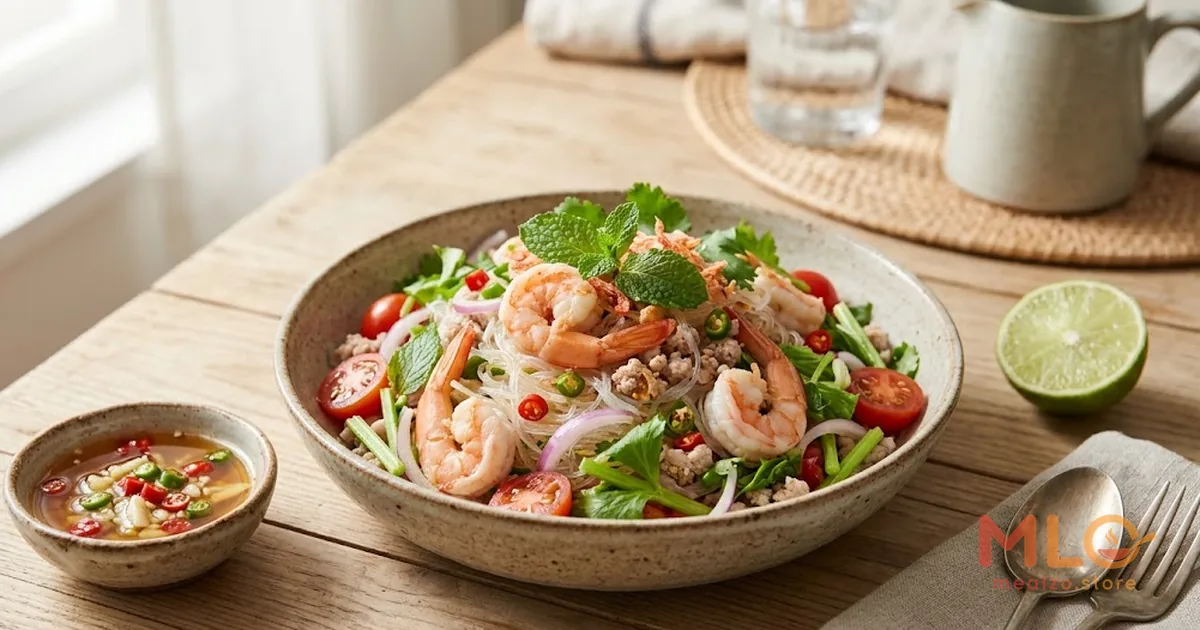
A Thai salad can look like the lightest dish on the table. There are fresh herbs, sliced onions, bright chillies and plenty of lime. The dressing tastes sharp rather than creamy, and the whole plate seems refreshing in Bangkok's heat.
But order yam woon sen, yam nua or yam khai dao at a street stall and you may be eating something quite different from a bowl of leafy vegetables. Glass noodles, beef, seafood, fried eggs and Thai sausage can form the centre of the dish. The vegetables often provide contrast rather than most of the substance.
That does not make yam something to avoid. Thai salads are full of character, with sour, salty, spicy and sometimes sweet flavours working together. Understanding what goes into the bowl simply makes it easier to decide what else belongs in the meal.
This guide looks at the yam salads commonly ordered around Bangkok, how their ingredients change the balance of a plate, and how a flexible eating routine can accommodate a favourite street-stall salad without turning every meal into a calculation.
1. What Is a Yam Salad in Bangkok?
In Thai cooking, yam refers to a family of mixed, dressed salads. The defining feature is often the dressing rather than a particular vegetable. Lime juice, fish sauce, sugar and fresh chilli create the familiar sharp, salty, sweet and spicy combination.
A yam might contain noodles, grilled meat, seafood, eggs, sausage, fruit or vegetables. The ingredients are tossed with the dressing, sometimes while still warm, then served with herbs and crunchy additions.
That is why the English word "salad" can be misleading. Someone expecting lettuce and cucumber might instead receive glass noodles with minced pork and shrimp, or fried eggs covered in onions and a chilli-lime dressing.
Bangkok food courts, street stalls and shophouse kitchens offer many interpretations. Some are quite dry, while others arrive with a pool of dressing. Some are mostly protein ingredients, while others lean towards noodles or fruit.
Yam also differs from som tam, the pounded papaya salad. For that particular dish and its usual accompaniments, see our guide to Isaan food, som tam and sticky rice in Bangkok.
The useful question is not whether something is called a salad, but what actually fills the plate.
Key takeaway: A yam is a dressed Thai salad, and its main ingredient may be noodles, meat, seafood or eggs rather than vegetables.
2. The Main Yam Salads You Will Find in Bangkok
The yam family is broad, and the ingredients can change from kitchen to kitchen. Still, the familiar names tell you a great deal about what to expect.
Yam woon sen is glass noodle salad, commonly mixed with minced pork, shrimp, dried shrimp, lime, chilli and fish sauce. Onions, celery and herbs bring freshness, while the noodles carry much of the dressing.
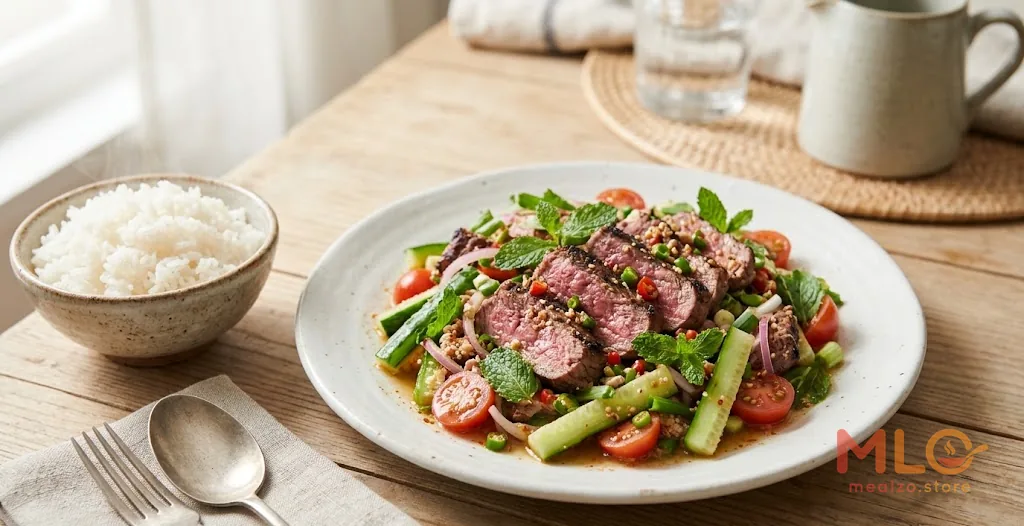
Yam nua centres on sliced beef, often grilled, with cucumber, tomato, onion, mint and a lime-based dressing. It feels different from a noodle salad because beef is the main substance.
Yam talay brings together mixed seafood, often with crunchy vegetables and plenty of sour, spicy dressing. The seafood selection varies, so the exact ingredients are worth checking.
Yam mamuang uses shredded green mango. Its tartness is balanced with dressing, dried shrimp and sometimes fried peanuts. The texture is crisp, with sweetness and saltiness depending on preparation.
Yam khai dao turns fried eggs into a salad by combining them with onions, tomatoes, chillies and dressing. The eggs contribute richness that is not obvious from the word "salad".
Yam tua phu uses sliced winged beans, commonly with coconut milk, roasted chilli paste and crunchy toppings. It can be noticeably richer than a simple lime-dressed vegetable dish.
Yam moo yor features sliced Thai sausage with herbs, onions and a chilli-lime dressing. The sausage is a processed meat ingredient, so this dish is quite different from a vegetable-based salad.
| Bangkok yam salad | What it is mostly made of | Where salt, sweetness or richness comes from | Practical adjustment |
|---|---|---|---|
| Yam woon sen | Glass noodles, minced pork, shrimp | Fish sauce, dressing, dried shrimp | Treat noodles as part of the starch portion |
| Yam nua | Sliced beef, vegetables, herbs | Fish sauce and sweetened dressing | Ask for extra cucumber and herbs |
| Yam talay | Mixed seafood and vegetables | Fish sauce and seasoned dressing | Check seafood ingredients and request less dressing |
| Yam mamuang | Shredded green mango | Sugar, dried shrimp, fried peanuts | Request less sugar or peanuts separately |
| Yam khai dao | Fried eggs, onions, tomatoes | Fried eggs and sweet-salty dressing | Pair with vegetables or a clear soup |
| Yam tua phu | Winged beans and other additions | Coconut milk, roasted chilli paste, nuts | Ask about coconut milk and toppings |
| Yam moo yor | Sliced Thai sausage, herbs, onions | Seasoned sausage and fish sauce | Add vegetables and use less dressing |
These are descriptions of common preparations, not fixed recipes. The same named salad can look and taste different depending on who makes it.
3. Where Are the Vegetables in a Thai Salad?
A plate of yam can be colourful without containing a particularly large amount of vegetables.
Think about yam woon sen. The noodles may form the base, while onion, celery and herbs provide sharpness and fragrance. In yam nua, cucumber and tomato are often arranged around the beef rather than filling the bowl.
That distinction matters when you are deciding what the salad contributes to your meal. Herbs add flavour, and a scattering of tomato or onion adds contrast, but neither automatically makes the dish a vegetable-centred plate.
Before ordering, look at the main ingredients:
- If noodles dominate, expect a starch-based dish with vegetables mixed through.
- If beef, seafood, egg or sausage dominates, think of it as a protein-centred dish, with different amounts of added fat depending on preparation.
- If winged beans or green mango dominate, the vegetable or fruit component is more substantial, although the dressing and toppings still matter.
- If vegetables appear mainly as garnish, consider adding another vegetable dish elsewhere in the meal.
This is about recognising ingredients, not enforcing a particular arrangement. Someone eating yam as a small accompaniment may not need extra vegetables in that sitting.
For a broader look at how vegetables fit into ordinary Bangkok meals, read vegetables and fibre in Thai food in Bangkok.
4. The Dressing: Why Fresh and Sour Can Also Mean Salty and Sweet
The dressing is what gives many yam salads their distinctive character. Lime juice supplies acidity, fish sauce supplies saltiness, sugar rounds out the sharpness, and fresh chilli adds heat.
When these ingredients are balanced skilfully, the dressing tastes bright and refreshing. The lime can be particularly noticeable, which sometimes hides how much of the flavour comes from fish sauce and sugar.
A salad does not need a thick sauce to have a strongly seasoned dressing. A thin liquid collecting underneath the ingredients can carry plenty of seasoning.
The noodles in yam woon sen absorb that dressing. Meat and seafood are tossed through it, while shredded mango and vegetables are coated by it.
If you prefer to control the intensity, ask for less dressing or for the dressing to be served separately. Not every stall will prepare it that way, particularly when the dressing is mixed into the dish during assembly.
A milder dressing does not necessarily mean fewer chillies. Chilli heat is a separate decision from saltiness and sweetness.
For more on the saltiness of everyday dishes, see salt and sodium in Thai food in Bangkok. The same seasoning principles appear in our guide to nam prik, dipping sauces and Thai table condiments.
5. Yam Woon Sen: Why Glass Noodles Count as Starch
Glass noodles look delicate. Once cooked, they become translucent, slippery and light in texture. That appearance can make yam woon sen seem more like a vegetable salad than a noodle dish.
But glass noodles are a starch ingredient. They are commonly produced from starches such as mung bean starch, and their transparent appearance does not change that basic role.
In a typical Bangkok preparation, the noodles are mixed with minced pork, shrimp, dried shrimp, onions, celery, chilli and dressing. The meat and shrimp add protein, while the noodles provide much of the carbohydrate component.
That makes yam woon sen useful to understand as a mixed noodle dish with fresh salad elements.
If it is your main meal, you may find it works alongside extra vegetables rather than another substantial noodle or rice dish. If you are sharing it, rice and other dishes can still fit naturally into the meal.
The point is to recognise the noodles rather than overlook them because the dish is called a salad.
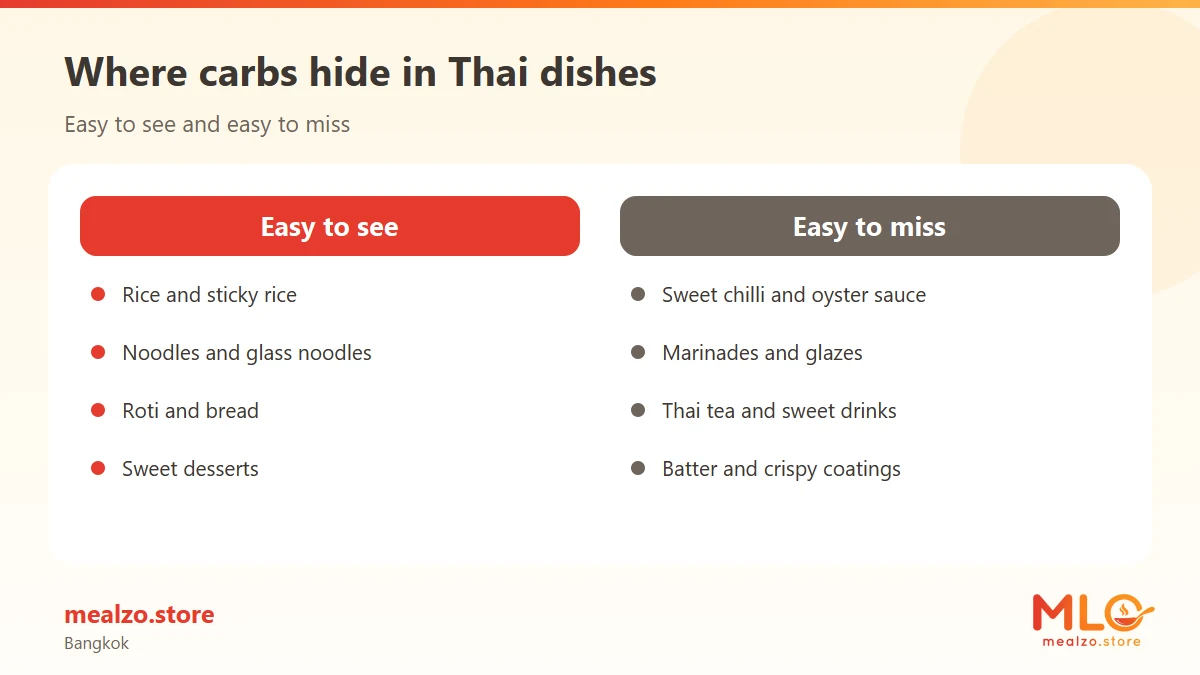
Key takeaway: Glass noodles are part of the starch portion of yam woon sen, even when the dish tastes light, sour and refreshing.
6. Fried Eggs, Shallots and Nuts Change the Texture and Richness
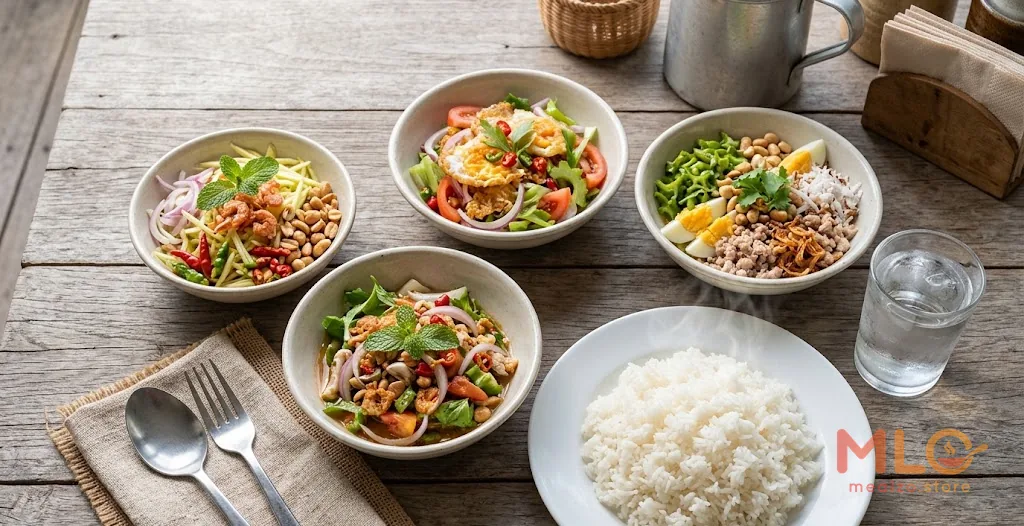
Crunch is central to many Thai salads. Fried shallots, roasted or fried peanuts, cashews and dried shrimp can turn a soft or slippery combination into something much more interesting.
These additions do different jobs. Dried shrimp contributes concentrated savoury flavour and saltiness. Nuts add fat, substance and crunch. Fried shallots provide sweetness and aroma from the cooking process.
Yam khai dao illustrates the distinction particularly well. It is a salad because the fried eggs are tossed with dressing and vegetables, not because the eggs are prepared like a plain boiled ingredient.
A crisp-edged fried egg brings its own richness. The dressing may be sharp, but that sharpness does not remove the fat associated with frying.
Similarly, yam mamuang may arrive with fried peanuts. Their crunchy texture complements the tart mango, while making the dish different from plain shredded fruit.
These toppings are not automatically excessive. They are part of why the dishes taste as they do.
If you enjoy the crunch, keep it. If the yam accompanies another rich dish, you can ask for fewer fried toppings or have nuts added separately, where practical.
7. Yam Tua Phu and the Richness of Coconut Milk
Yam tua phu is worth treating separately because its preparation can differ considerably from the familiar clear lime dressing used in other yam salads.
Winged beans provide a firm, crisp base. Coconut milk, roasted chilli paste, dried shrimp and crunchy toppings may be incorporated into the dressing or scattered over the finished dish.
Coconut milk changes the result. It contributes fat and a rounded, creamy quality that softens the sharpness of lime and chilli. Roasted chilli paste can also add sweetness and richness.
The finished salad may therefore feel more substantial than a plate of winged beans with a simple sour dressing.
There is no need to remove coconut milk simply because you are eating a salad. It helps define this particular preparation.
However, if you are pairing yam tua phu with a coconut-based curry or another rich main dish, the combined meal will have a different character from one built around clear soup and vegetables.
Some kitchens use coconut milk in other yam variations as well. When the dressing looks creamy or noticeably thick, asking what it contains is more reliable than assuming every yam uses the same recipe.
8. Fresh Ingredients, Chilli and Eating Yam in Bangkok's Heat
Many yam salads combine cooked ingredients with raw or lightly prepared vegetables and herbs. Seafood salads can involve ingredients that need careful handling, while sliced onions, tomatoes, mint and celery are commonly added close to serving.
Bangkok's heat makes ingredient handling particularly relevant.
A busy street stall or food court counter with steady turnover is generally a more sensible choice than a place where prepared seafood and vegetables appear to have been sitting unrefrigerated for a long time.
Turnover alone is not proof of safe preparation. Look at whether ingredients are stored appropriately, whether seafood is handled carefully, and whether the finished dish is prepared without unnecessary delay.
Chilli deserves a separate thought. A very spicy yam is not necessarily less salty or less sweet than a mild version. The dressing can contain fish sauce and sugar regardless of chilli intensity.
If you want less heat, ask for fewer chillies. If you want less sweetness or saltiness, ask about sugar and fish sauce separately.
A spicy salad can also make a cold drink appealing in the Bangkok heat. For everyday fluid choices, see hydration and drinking water in the Bangkok heat.
Anyone with high blood pressure, diabetes, an eating disorder or another medical condition affecting diet should follow their own doctor's guidance.
9. How to Adjust a Yam at a Street Stall Without Losing Its Character
Yam is meant to have flavour. Removing every seasoning and topping would turn it into a different dish, not simply a more flexible version of the original.
A more practical approach is to decide what you want from that particular meal.
If you are ordering yam nua as your main dish, extra cucumber, tomato and herbs may make the plate more varied. If you are ordering yam woon sen alongside rice, consider whether you need both starch components in the quantities served.
For a sweeter green mango salad, ask whether less sugar can be used. If the dressing is especially strong, less dressing may suit you better than removing the chilli alone.
Useful requests include:
- Less dressing: keeps the usual flavour profile but reduces the amount coating the ingredients.
- Dressing on the side: allows you to add it gradually, when the kitchen can accommodate the request.
- Extra vegetables and herbs: adds contrast to meat-centred and noodle-centred salads.
- Less sugar or fewer chillies: adjusts sweetness and heat independently.
- Nuts or fried shallots separately: allows you to decide how much crunch to include.
Dried shrimp, fish sauce, peanuts, cashews and shellfish are common allergens in yam salads.
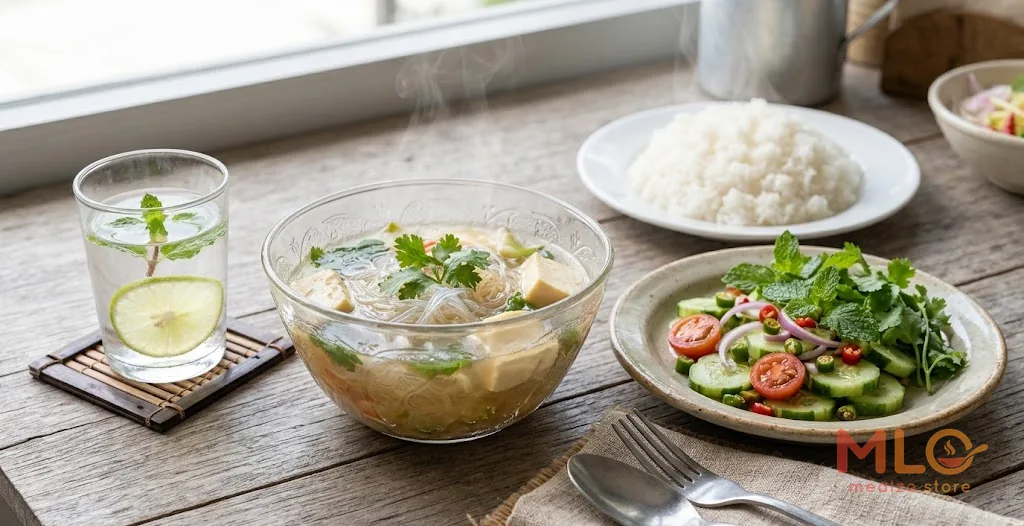
Some stalls prepare dressings in advance or mix the salad as a standard recipe, so not every adjustment will be available. If ingredients cannot be changed, choosing another yam may be simpler.
10. Building a Balanced Meal Around Yam
A yam can be a small dish shared with other food, the centre of a meal, or something eaten on its own between organised meals.
Those situations call for different decisions.
A shared yam talay alongside rice, vegetables and another dish does not need to provide everything independently. A full serving of yam woon sen eaten alone already contains noodles and protein ingredients, but the amount of vegetables may vary.
Yam nua may supply much of the protein component, with room for vegetables and rice according to the rest of the meal. Yam khai dao can be paired with a clear soup when you want another texture without adding a similarly rich dish.
| When you eat the yam | How to read the plate | What to consider alongside it |
|---|---|---|
| As a side dish | Part of a larger shared meal | Look at the rice, vegetables and main dishes already present |
| As the whole meal | The yam supplies most of what you eat | Check whether it contains starch, protein and vegetables |
| As an afternoon dish | Adds to the day's overall eating pattern | Consider what your other meals already provide |
| With rice | Rice supplies additional starch | Remember that yam woon sen already contains noodles |
| With clear soup | The soup adds liquid and complementary ingredients | Choose according to what the yam itself contains |
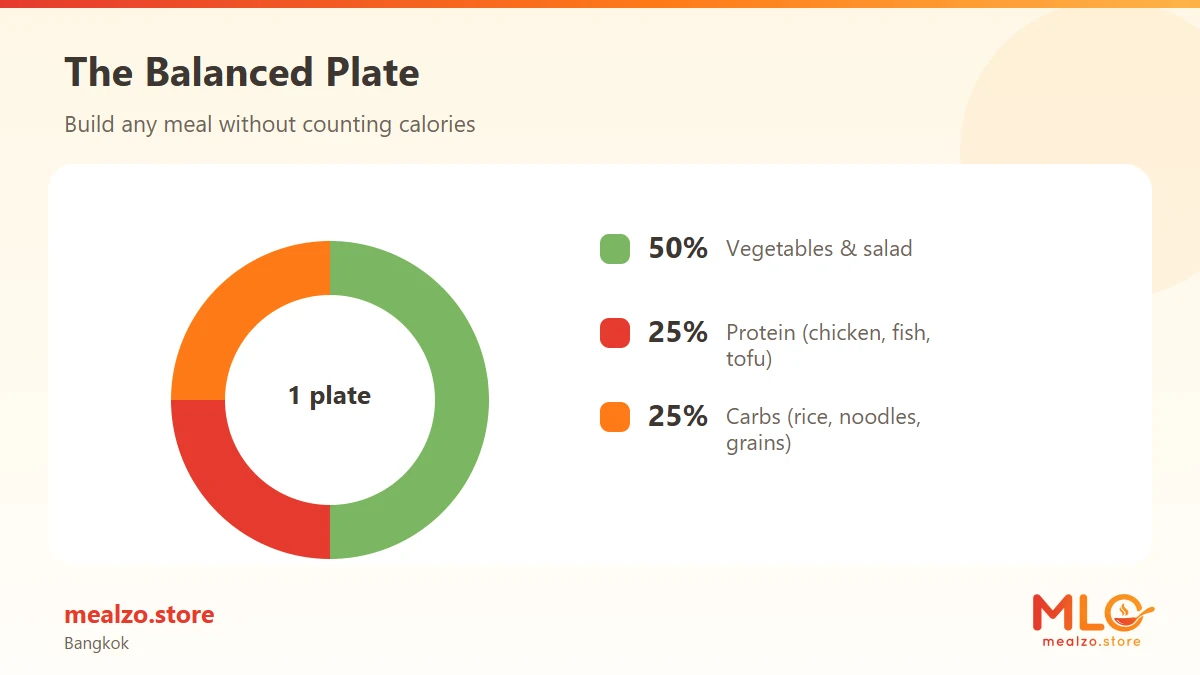
An easy way to think about the arrangement is to identify the dominant ingredient first, then look at what is missing or already present.
If the yam contains plenty of noodles, you can focus on vegetables elsewhere. If it is mostly beef or seafood, rice may be an appropriate accompaniment. If it is rich with coconut milk, nuts or fried eggs, a simpler side dish may offer contrast.
Key takeaway: Build the rest of the meal around the yam's actual ingredients, not around the assumption that every salad is mainly vegetables.
There is also room for appetite, preference and convenience. A balanced eating routine does not require every individual plate to look identical.
11. How Mealzo Bangkok Fits Around Street-Stall Yam
Bangkok offers plenty of opportunities to eat spontaneously. A yam from a street stall might be lunch during a busy day, something shared with colleagues, or a dish ordered with friends in the evening.
The challenge is often not the salad itself. It is keeping the rest of the day's meals organised when work, commuting and social plans change.
Mealzo Bangkok approaches this through meals that are prepared and balanced in advance. Its kitchen is located in Bang Na, Bangkok, where meals are cooked fresh daily and delivered across Bangkok.
The idea is straightforward: organised main meals can form the regular structure of your day, while dishes such as yam remain part of how you enjoy food around the city.
The service offers 12 meal plans: Balanced, Weight Loss, High Protein, Vegetarian, Vegan, Keto, Low-Carb, Gluten Free, Easy-to-Digest, Pescatarian, No Fish & Seafood, and Dairy & Egg Free.
Every plan follows a single mixed cuisine, combining Thai and international dishes in the same plan. There are no separate cuisine selections.
Customers can select from 6 daily calorie levels, ranging from 1200 to 2500 kcal, with 3 or 5 meals per day. Packages are available for 3, 7, 14 or 30 days.
Delivery takes place within a customer-selected window: morning 06:00-09:00 or evening 17:00-20:00.
Customers declare allergens from 9 allergen groups, and dishes containing a declared allergen are not assigned to them. This is an ingredient assignment mechanism, not a guarantee that meals are free from allergen traces.
The mobile app includes a calorie calculator using the Mifflin-St Jeor formula. It provides an estimate rather than medical advice. The website and mobile app are available in 8 languages: Thai, English, Polish, German, French, Russian, Simplified Chinese and Burmese.
You can explore the available options through Mealzo Bangkok meal plans.
The purpose of organised meals is not to make street food disappear. It is to make everyday food planning more manageable while leaving room for personal preferences.
A yam salad can still be a spontaneous choice. Knowing whether it contains glass noodles, fried eggs, seafood, coconut milk or mostly vegetables helps you understand how it fits alongside the other food you eat.
FAQ
Is yam woon sen a vegetable salad or a noodle dish?
Yam woon sen is best understood as a mixed glass noodle salad. It commonly includes minced pork, shrimp, dried shrimp, onion, celery, herbs and a chilli-lime dressing. The noodles provide starch, while the meat and shrimp contribute protein. Vegetables add freshness and texture but may not make up most of the dish. If you eat yam woon sen with rice, remember that the noodles already contribute to the starch portion of the meal.
Is yam nua lighter than yam khai dao?
They have different ingredient profiles, so the answer depends on preparation. Yam nua usually centres on sliced beef with cucumber, tomato, onion, mint and lime dressing. Yam khai dao uses fried eggs, vegetables and dressing, making the cooking method of the eggs relevant to the dish's richness. Both can contain sugar and fish sauce in the dressing. Rather than ranking them by name, consider how each is prepared and what else you are eating.
Why can a Thai yam salad taste sour but still contain sugar?
Lime juice gives yam its bright acidity, while sugar balances that sourness. Fish sauce supplies saltiness, and chilli adds heat. These flavours interact, so a dressing can taste predominantly sour and spicy even when sweetness is part of the recipe. If you want less sugar, ask directly for reduced sweetness. Requesting fewer chillies changes the heat but does not necessarily change the sugar or fish sauce.
Can I eat yam with rice or clear soup?
Yes. The combination depends on the yam itself and the role it plays in your meal. Beef or seafood yam can be paired with plain rice and vegetables, while yam woon sen already includes noodles. A clear soup can complement fried egg salad or a strongly dressed yam without repeating the same textures. If the salad is being shared as part of a larger meal, consider the ingredients in all the dishes rather than treating the yam separately.
How can I include Bangkok street food while following a Mealzo Bangkok meal plan?
Mealzo Bangkok provides prepared main meals within a selected plan, while street food can remain part of your wider eating routine. If you decide to have yam outside your planned meals, consider what it contains and how it fits with the food already organised for the day. A noodle-based yam contributes starch, while beef, seafood and egg versions have different ingredient profiles. The goal is flexibility and awareness, not treating a street-stall meal as something that needs to be compensated for.
Mealzo Bangkok is a kitchen and meal delivery service operating exclusively in Bangkok, Thailand. We are not affiliated with similarly named services outside Thailand.
Find a Meal Plan That Fits
Compare Mealzo plans or use the calculator to explore meal options for your needs.